Season 1
16 episodes Oct 24, 2024 4.5
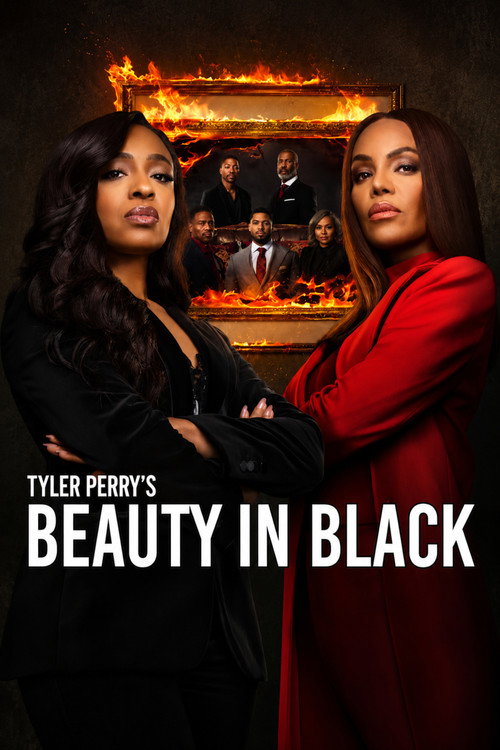
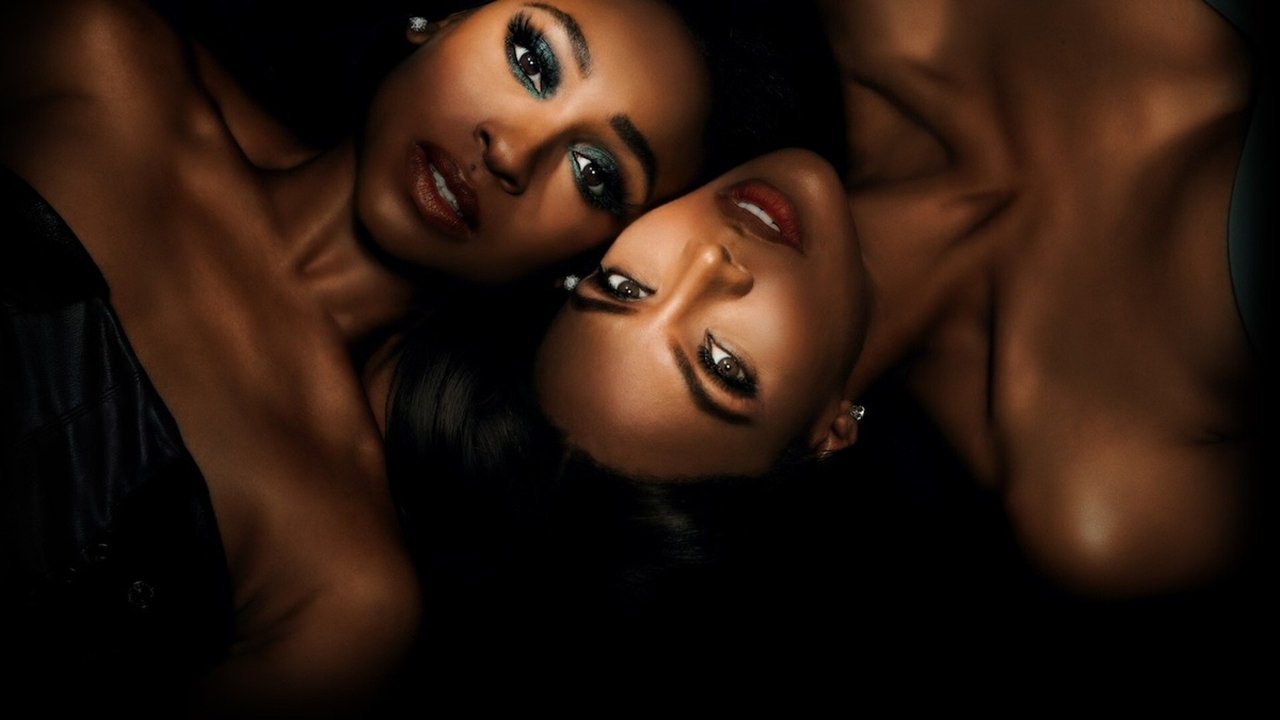
A stripper's fate takes a turn when she crosses paths with the wealthy, dysfunctional family behind a cosmetics dynasty and a devious trafficking scheme.
Latest episode: S3 E8 Dancing in the Rain (Aug 27, 2026)

I’ll admit it: I rolled my eyes at the first episode. The dialogue was clunky, the acting stiff, and the premise—stripper uncovers a trafficking ring inside a cosmetics empire—felt like a rejected Dynasty pitch. But somewhere around episode three, I realized I wasn’t just watching anymore.
I was leaning in. The show had me, flaws and all, the way a car crash has you rubbernecking even as you wince. That’s the paradox of Beauty in Black: it’s a mess, but it’s a mess with teeth.
The series thrives on the kind of soapy energy that usually gets dismissed as "trashy," but there’s something subversive about how it weaponizes that label. This isn’t prestige TV—it’s not trying to be. It’s unapologetically lurid, unashamedly over-the-top, and, in its best moments, weirdly compelling.
The Bellarie family, with their cosmetics fortune built on the backs of exploited women, are the kind of villains who twirl their mustaches so hard you can almost hear the sproing sound effect. Their downfall isn’t just satisfying; it’s fun, the way watching a scammer get scammed is fun. The show knows it’s ridiculous, and it leans into that ridiculousness with a kind of gleeful abandon.
Take the scene where Kimmie (Taylor Polidore Williams), the stripper-turned-whistleblower, confronts Mallory (Crystle Stewart), the heiress with a conscience buried under layers of privilege. The dialogue is pure soap opera: "You think your money makes you untouchable? Well, guess what, princess—your daddy’s empire is built on blood and lies!" It’s the kind of line that should make you groan, but the way Polidore Williams delivers it—with a mix of exhaustion and defiance—gives it weight.
"A chaotic, soapy thriller with bad but entertaining acting that turns into an addictive guilty pleasure."
The show hooks viewers with wild melodrama, nonstop twists, and an underdog story set against a corrupt beauty empire and coercive sex-work underworld, making it easy to binge even for those who roll their eyes at it. latestnetflix.com's take is that at the same time, many are frustrated by stiff performances, repetitive dialogue, gratuitous sex and nudity, and portrayals of Black women that feel degrading or stereotypical, creating a split between those watching for messy fun and those put off by its tone and execution.
Tyler Perry's first Netflix series arrived on October 24, 2024. A first batch of episodes, then more. Part 1 hit No. 1 on the Global TV Top 10 in English. Season 1 spent seven weeks in that ranking and, in its second week, sat at No. 1 in 28 countries. latestnetflix.com's view is that Perry told Tudum, "I was told many times over many years that Black entertainment doesn't travel throughout the world."He said Netflix kept disproving it.  ,
,
He writes, directs, and produces the whole thing under the multi-year first-look deal. His pitch is blunt. Atlanta hair-care money is huge. Magic City is huge. "What happened if those worlds collided, the stripper world and this hair-care business?" The show is set in Chicago. The spark, he says, is Atlanta in the 1990s. The plot, he insists, is fiction built "to entertain."
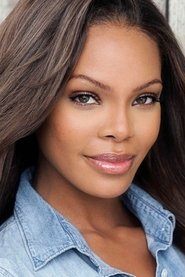
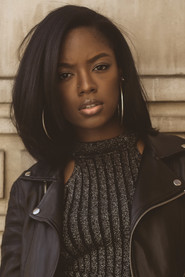
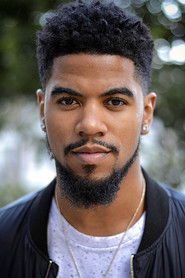
Taylor Polidore Williams, late of Snowfall, plays Kimmie, the dancer her mother kicked out. Crystle Stewart, Miss USA 2008 and a longtime Perry regular, plays Mallory, the face of the Beauty in Black brand. Perry told Tudum that when Williams came in he said, "Oh, you've got gears. You've got gears. So we're going to put all those gears to work." Debbi Morgan and Richard Lawson, soap veterans, play Olivia and Norman. Ricco Ross, Private Frost in Aliens, plays patriarch Horace. Bryan Tanaka plays Officer Alex, a cop on the family payroll. TVLine logged the 16-episode order in April 2024 as Perry's first series out of the Netflix partnership. ,
Ross later said Horace was written to die at the end of season 1, in that hospital bed. Perry watched a scene and told him he could not focus because he could not kill him. "I love killing off characters," Perry said, then rewrote. Ross called it a hell of a compliment.
Williams has said Perry shoots all at once, scripts in hand, and that reading them she kept going, "What? What?" Netflix told fans in December that season 3 would be the last. In July 2026 the streamer reversed course and ordered season 4 before season 3 even dropped. Perry said the Bellarie story was not finished. Season 3 then hit No. 1 in 30 countries. Critics have never been the engine. The watercooler is. ,
The official trailer went up in September 2024. Image is everything, Mallory says on it. She will kill to protect it.
Entertainment rumors and trivia aggregated from public reporting. Treat speculation as unverified unless a cited source confirms it.
Series
Related series ranked by rating and popularity.