Made in Korea backdrop
Made in Korea poster

Made in Korea

7.6
2025
1 Season • 6 Episodes
CrimeDrama

Overview

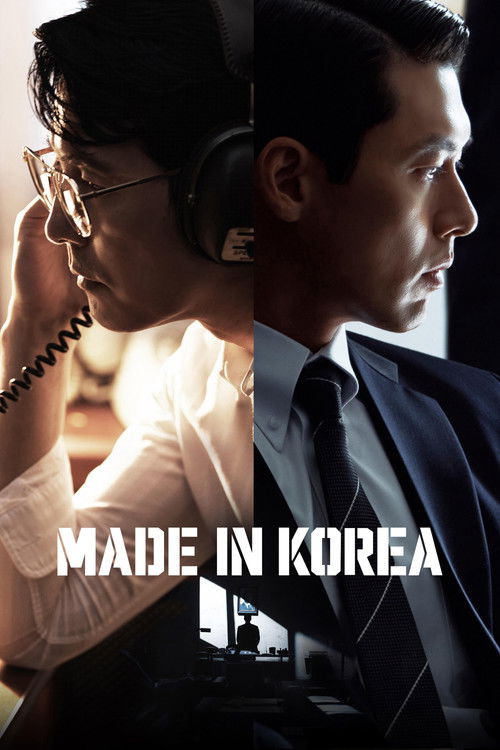
In 1970s South Korea, follow two men on opposite sides of power — one driven by ambition, the other by justice. As their worlds collide, greed, loyalty, and survival intertwine in a battle that will shape a nation.

Sponsored

Trailer

Official Trailer [Subtitled] Official

Cast

Reviews

AI-generated review
The Cost of Doing Business

What has stayed with me most is the cigarette smoke in the first episode. It sits in the cabin air of a commercial jet, drifting over men in crisp suits and women in tidy dresses, and in one shot you’re dropped into the grubby confidence of the 1970s. The flight belongs to Japan Airlines. It’s about to be hijacked by student revolutionaries who want Cuba and wind up in North Korea instead. The whole sequence is cramped and unruly, and moving through it is Baek Ki-tae, cool-headed and frighteningly efficient. Woo Min-ho doesn't bother with a gentle introduction to *Made in Korea*. He starts mid-shudder.

Woo has made a career out of mapping the uglier machinery of Korean power in films like *Inside Men* and *The Man Standing Next*. With this six-episode streaming run, he gets more room to spread out. South Korea in the 1970s was a place of brutal contradiction: explosive economic growth on one side, military dictatorship on the other. If you had the nerve, everything looked available. Pierce Conran, writing in the *South China Morning Post*, said the series “explores the murky intersection of the executive and judicial branches of the authoritarian government.” That description fits. This is a world where intelligence agencies double as drug traffickers and American soldiers move through it untouched by consequence. The corruption isn’t hidden in one corner. It’s structural.

A tense standoff in a dimly lit 1970s office

At the center of all that rot is Hyun Bin as Baek Ki-tae. For years he’s been the polished romantic lead, or the upright man with a code. I wasn’t prepared for how unnerving he is here. He reportedly gained about 30 pounds for the part, and the extra weight changes his whole silhouette. Those tailored suits look less elegant than fortified. He moves with this eerie, lizard-like control. Baek is a KCIA operative who also runs drugs, using the state itself as scaffolding for his own private empire. The quiet moments tell you everything. His hair is pressed flat with pomade. Every gesture is measured down to the inch. He gives off the feeling that cutting him open would reveal machinery, not blood. He is a Zainichi—an ethnic Korean born in Japan—never quite claimed by either country, and that estrangement sits inside him like a cold, enduring grievance.

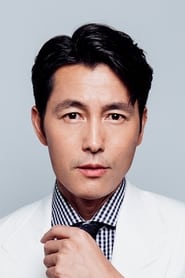
Then there’s prosecutor Jang Geon-young, played by Jung Woo-sung, who devotes himself to bringing Baek down. A lot has already been said online about Jung’s performance, especially the bursts of laughter and the sudden, almost jarring yelling. I don’t think every scene survives that choice. There are moments when it feels like he wandered in from a more theatrical series. But once his history comes into focus—a father wrecked by meth addiction and forced labor—the excess starts to click. That laughter feels less like bravado than camouflage. It’s the habit of someone trying to stay half a step ahead of humiliation.

A man smoking a cigarette while looking out a window into the night

(I have a lot of affection for veteran actors when they decide to do something big and odd, even if it risks putting people off. Clean choices are easier. Strange ones leave a pulse.)

The production itself is thick with texture. Woo is clearly drawn to the heft of the period. Rotary phones that look built to survive a fire. Wood-paneled offices humming with dread. Busan alleyways glowing with wet neon. In the second episode, there’s a setup in a café where a rookie prosecutor is used as bait to lure in a mid-level gangster. The editing in that stretch is excellent. It doesn’t go for frantic cutting. It just lets the tension gather and sit there. You can feel the political atmosphere pressing on every exchange, as if the air itself were helping the trap close.

Two men in suits facing each other in a dimly lit room

By the end, the boundary between law and criminality hasn’t merely thinned out; it’s gone. Near the finale, there’s a remarkable image of Baek finally seated in the presidential security chief’s chair, lighting a cigar after clawing his way upward. The shot slowly shifts from sepia-tinted memory into the full color of the present. The point lands without any extra speechifying. The creatures made in the dark corners of the 1970s didn’t vanish. They got better offices, more expensive tailoring, and the authority to call themselves respectable.