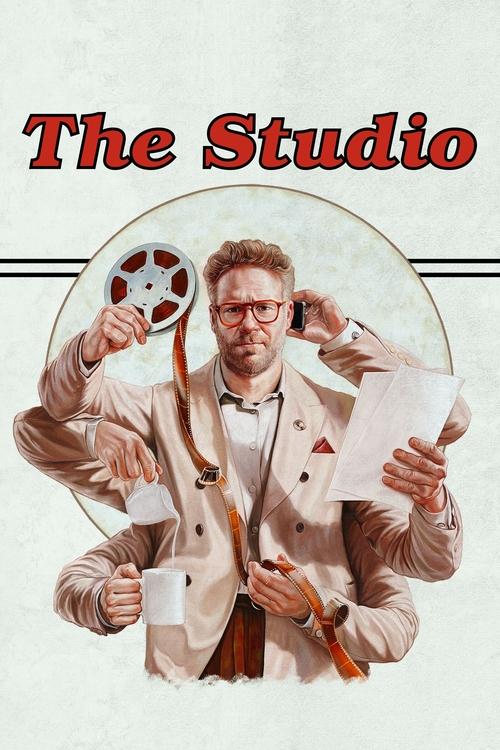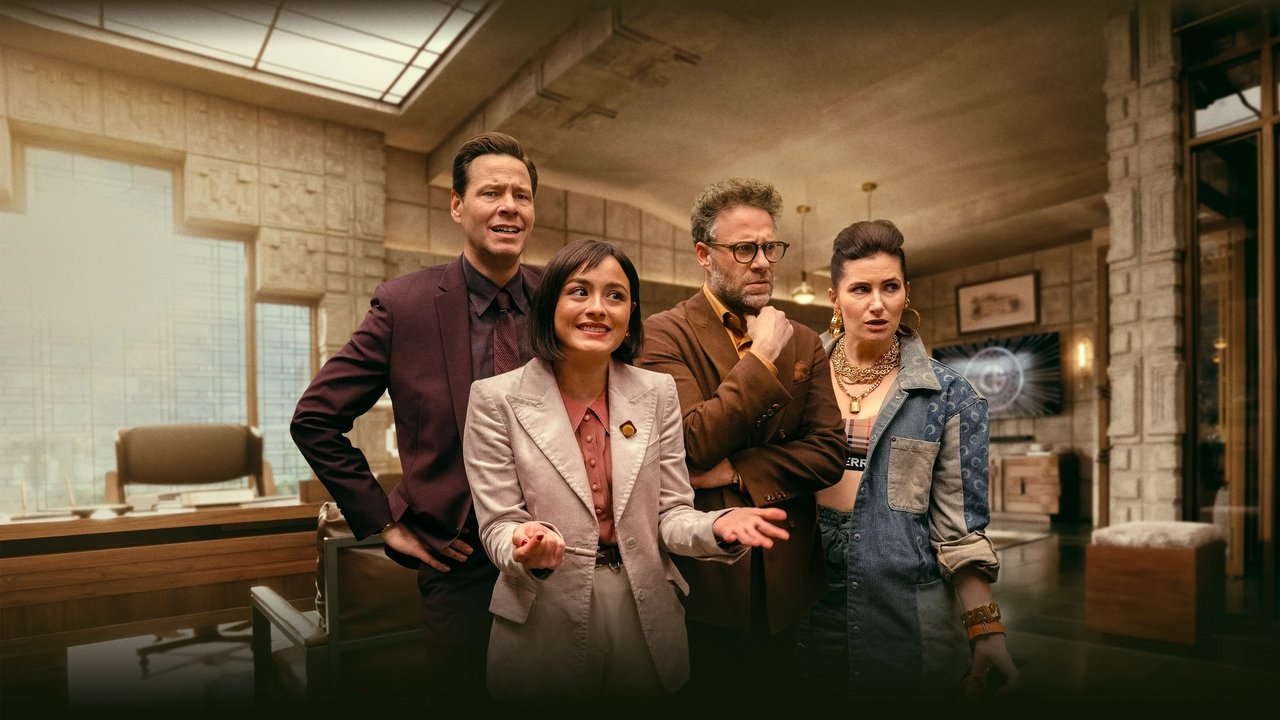

The Grain and the GrindThere’s a very particular panic in realizing your dream job requires you to ruin the thing you love most. In *The Studio*, Apple TV+’s frantic Hollywood comedy, Seth Rogen’s newly promoted studio chief Matt Remick is staring right at that contradiction. He wants to champion the next *Goodfellas*. What he’s actually asked to do is secure the Kool-Aid Man so Continental Studios can spin up a billion-dollar franchise. It’s bleak. It’s very funny. I laughed through most of the first season, though the laugh often felt like a stress response.

We’ve had no shortage of Hollywood satires lately, and most of them arrive already exhausted. HBO’s *The Franchise* took a crack at superhero-era studio culture last year and barely left a mark. So why does *The Studio* land? I think it helps that Rogen, Evan Goldberg, Peter Huyck, Alex Gregory, and Frida Perez are making fun of a system they actually help operate. Rogen and Goldberg aren’t outsiders lobbing stones anymore. They’re inside the castle, pointing out how ugly the furniture is.
That insider vantage point shows up in the show’s most obvious formal choice. Rogen and Goldberg direct every episode, and they lean hard on the continuous tracking shot. The “oner” becomes the show’s house style, and it’s both showy and genuinely stressful.

The second episode is the cleanest example. Sarah Polley plays herself, trying to pull off a complicated magic-hour tracking shot before the light disappears, while Matt blunders around set desperate to be liked by talented people who can smell his insecurity from across the room. The camera stalks through the chaos like a nervous animal, scooping up every muttered insult and tiny act of sabotage. Because the take doesn’t break, neither do we. There’s no escape route from the embarrassment. You just have to stand there and absorb it.
Rogen is better here than I expected. He ditches the easygoing stoner warmth and replaces it with a whole posture of needy apology. He’s always leaning slightly forward, always scanning for approval from people who fundamentally don’t respect him. It’s unexpectedly unvain work. Around him, the cast knows exactly what kind of show they’re in. Kathryn Hahn is a marvel as Maya, a marketing executive radiating corporate fury while wielding a giant adult sippy cup like a blunt instrument. But Catherine O’Hara is the real ballast. As Patty Leigh, the displaced old-guard studio legend, she gives the series its sadness. O’Hara plays her with posture, poise, and just enough steel to suggest Patty could still flatten the room if she wanted.

The show does overdo itself now and then. The pace can be punishing, and the procession of celebrity cameos, from Scorsese to Ron Howard to Zoë Kravitz, occasionally edges into self-congratulatory industry clubbiness. Whether that bothers you depends on your tolerance for insider baseball. As Ellen E. Jones put it in *The Guardian*, the series is aimed at "an unabashed cinephile who bemoans the never-ending churn of bankable 'IP'." If the argument between film grain and digital sheen means nothing to you, some of the jokes may sail right by.
But there’s real feeling under all the cynicism. Matt trying to trick Scorsese into directing a Jonestown movie just so he can call it "Kool-Aid" is idiotic, yes, but it comes from a warped version of devotion. *The Studio* gets that the business is full of people who genuinely worship cinema while actively helping to smother it under franchise sludge. They’re praying at the altar even as they auction off the pews. It’s messy, loud, caustic, and sharp. I just pray nobody actually greenlights that Kool-Aid movie.