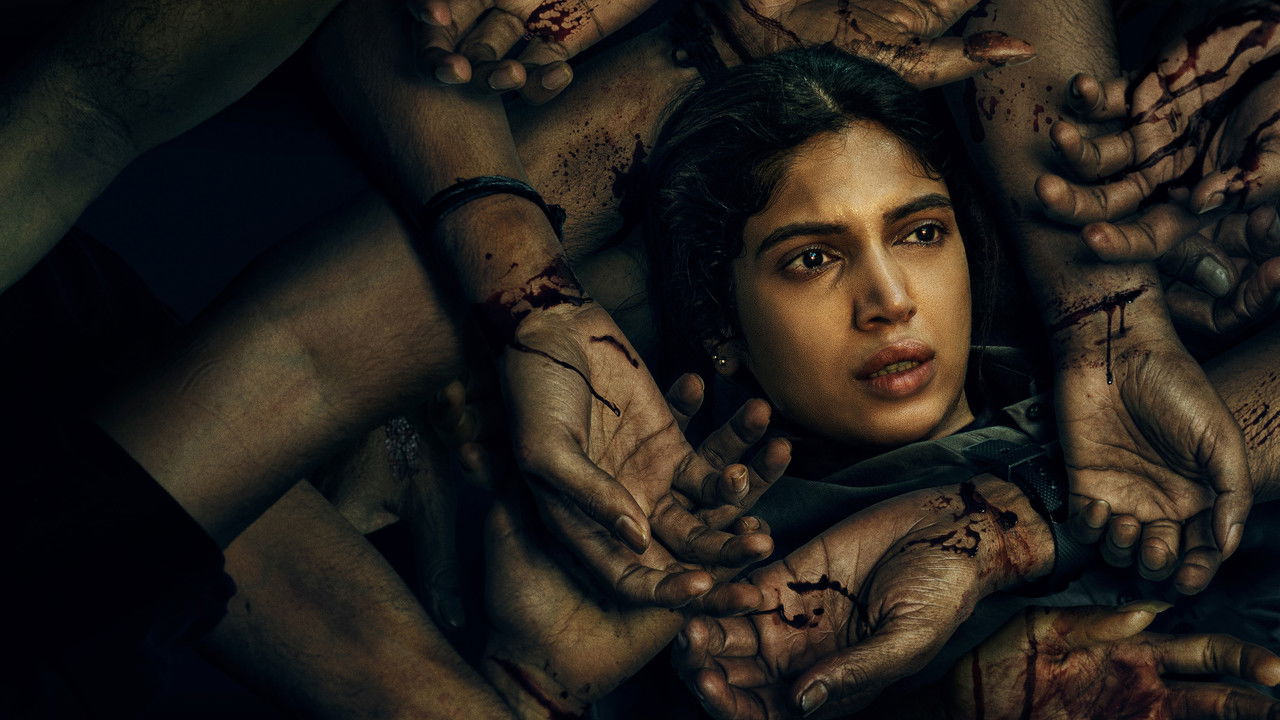
Daldal backdrop
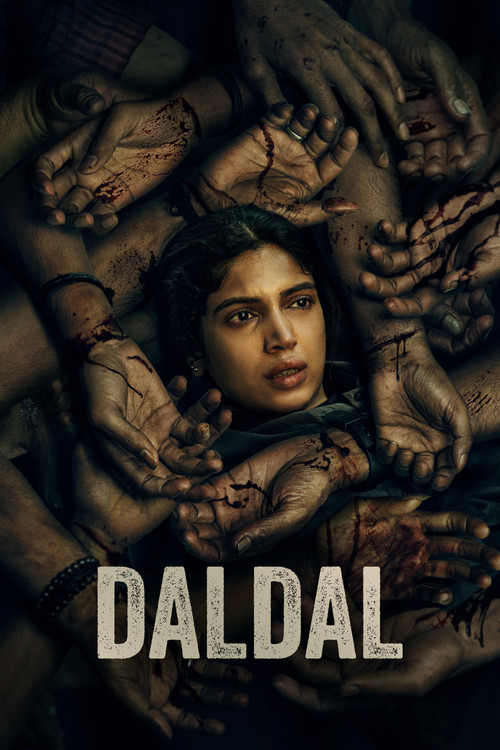
Daldal poster

Daldal

6.4
2026
1 Season • 7 Episodes
DramaMystery
Director: Amrit Raj Gupta

Overview

Haunted by the guilt of her past and dealing with the demons of her present, a newly-appointed DCP, Rita Ferreira, must embark on an investigation of a series of murders that puts her on a collision course with a cold-blooded serial killer.

Sponsored

Cast

Reviews

AI-generated review
The Burden of the 'Why'

I’ve seen enough prestige dead bodies on streaming platforms to last me several lifetimes. You probably have too. The serial-killer procedural has become default wallpaper for the streaming age: dimly lit cops, troubled pasts, a corpse arranged like a clue. So when *Daldal* arrived on Amazon Prime Video in 2026, I braced for the usual design. A trail of hints, a misdirect, a rooftop ending. What surprised me is that Suresh Triveni kills the mystery almost immediately. By episode two, we know who did it.

Triveni, who made *Tumhari Sulu* and *Jalsa*, has admitted he wasn’t exactly thrilled at the prospect of grinding through long-form television, and you can feel that reluctance in the show’s structure. It resists the obvious binge-engine. This isn’t a “who” story. It wants to be a “why” story.

Mumbai's shadowy underbelly framing the investigation

It opens cleverly enough. Two women sit in a bakery, quietly dealing with a man staring too hard from across the room. It reads like one kind of scene, a familiar public harassment setup, until the women reveal themselves as DCP Rita Ferreira and sub-inspector Indu Mhatre and move into a nearby brothel raid. The show starts by reminding you how often expectation and reality diverge, especially for women moving through male space.

Bhumi Pednekar plays Rita as if she hasn’t taken a full breath in years. She’s the shiny public symbol of “women empowerment” inside a deeply sexist crime branch, and she carries that contradiction in her body. But the performance is also frustrating by design. Rita often feels sealed off behind numbness, all stoicism and fatigue. That may be psychologically truthful for someone buried under trauma and depression, but it can also leave the center of the show feeling strangely hollow.

A tense standoff in the interrogation room

The livelier material ends up on the edges. Samara Tijori is genuinely good as Anita, the crime journalist who helps shape the public story around murders she is secretly complicit in. And Aditya Rawal gives Sajid, a heroin-addicted former juvenile offender, a physical inwardness that’s hard to shake. He seems to fold himself smaller scene by scene, as if disappearing might count as absolution.

But the show keeps overloading its own frame. Adapting *Bhendi Bazaar*, the writers try to cram child trafficking, misogyny, addiction, institutional rot, and cycles of abuse into one structure. Rahul Desai’s line at *The Hollywood Reporter India*, that the series feels "torn between being pulpy and serious," and suffers from "the women-written-by-men syndrome," is harsh but not wrong. It wants to be socially searching and emotionally raw, yet it often reverts to familiar blunt devices.

The killer's meticulously arranged crime scene

The middle stretch especially bogs down. Once you take away the propulsion of a hidden killer, the writing has to get psychologically exact, and too often it fills the silence with repeated flashbacks and familiar trauma shorthand. The actors are already telling us what hurts. The script doesn’t always trust them.

Still, there’s something to respect in a show that refuses easy release. *Daldal* means quicksand, and that title earns itself. Nobody gets out clean. It’s awkward, uneven, and often too much, but I’ll take a messy reach over another perfectly competent formula. At least this one is trying to stare directly at how monsters get made.