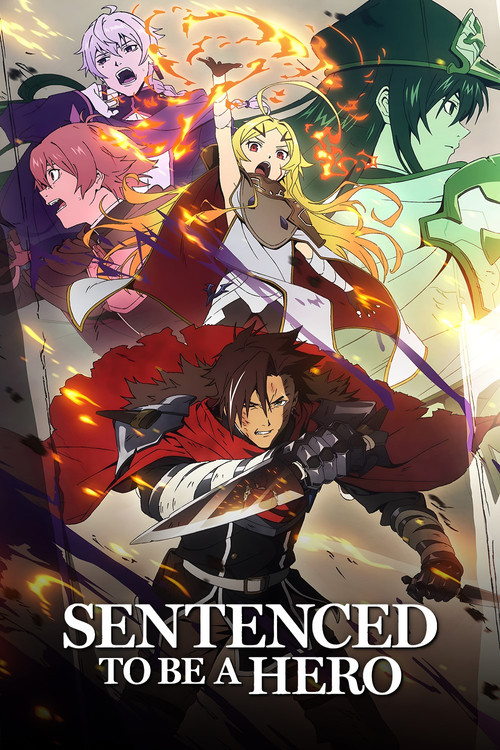

The Burden of ResurrectionThere's a particular kind of exhaustion that settles into your bones when you realize the worst thing that can happen to you isn't death, but survival. I'm talking about the kind of survival where your body is dragged back from the void, stitched together, and thrown right back into the meat grinder. That's the grim, suffocating premise of *Sentenced to Be a Hero*, an anime that strips the glamour from its titular job description and reframes it as a penal sentence. In this dark fantasy world, criminals are drafted as expendable fodder in an endless war against the Demon Blight. Die on the front lines, and they simply resurrect you—minus a few memories or a fragment of your humanity. It's an incredibly bleak setup, and honestly, I couldn't look away.

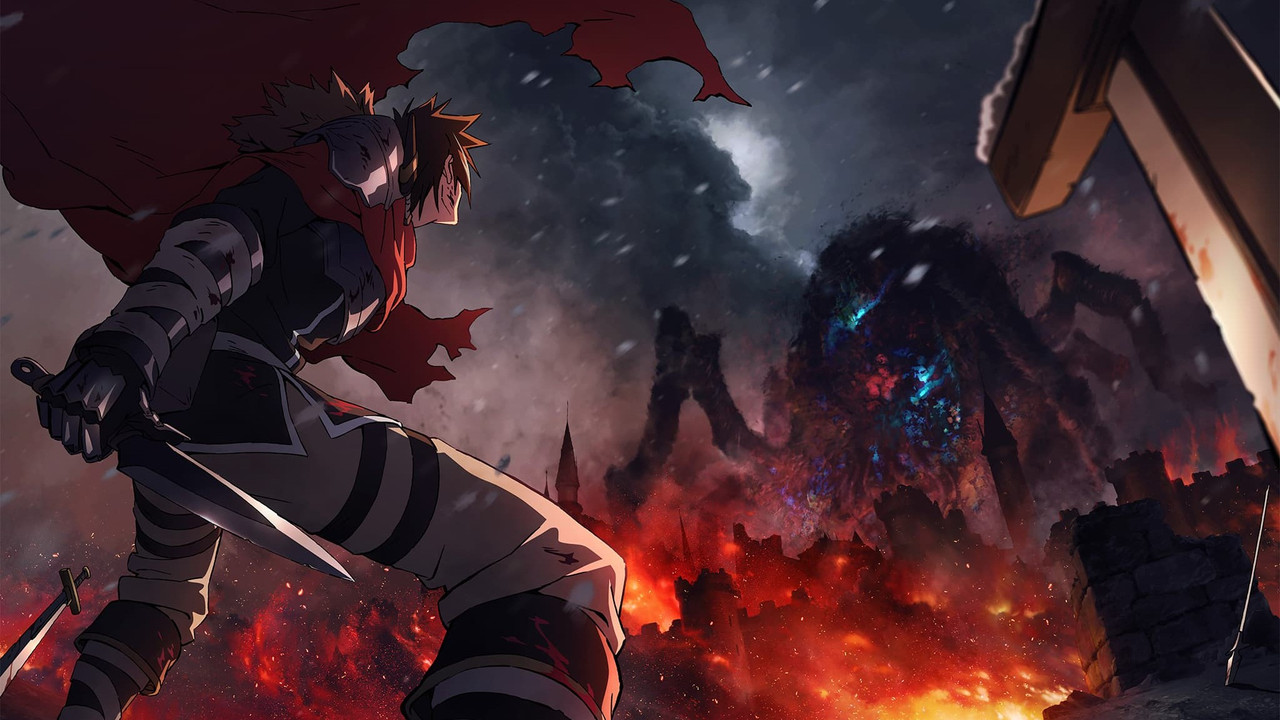
Directed by Hiroyuki Takashima in his series debut for Studio KAI, the show benefits from a delay that pushed it from late 2025 into the winter 2026 season. You can see the extra time in the margins. The animation doesn't just rely on flashy particle effects; it has a tactile, grounded weight. When bodies hit the mud, they stay there until magic violently yanks them back up. Takashima and his team lean hard into the physical toll of this forever war. The color palette is steeped in the bruised purples and sickly greens of a dying world, making the brief flashes of clean magic feel almost offensive to the eye.
Take the hour-long premiere's retreat through the Couveunge Forest. It functions as a high-speed chase through an active war zone. Our lead, Xylo Forbartz, is chucking explosive seals to carve a path through mutated faeries, all while yelling at his pink-haired squadmate Dotta, who is desperately dragging a stolen coffin through the underbrush. The camera stays low, whipping through the trees with a frantic, shaky desperation. Crunchyroll's Daniel Dockery nailed it when he noted that the series "is all about movement, or at least the feeling of movement." The editing rhythm prioritizes the sheer panic of the escape over clean, legible action choreography, and it works because it forces you into Xylo's exhausted headspace.

A lot of that emotional weight rests squarely on the shoulders of voice actor Yohei Azakami. After breaking hearts as the tragically earnest Guel in *Mobile Suit Gundam: The Witch from Mercury*, Azakami swings in the exact opposite direction here. His Xylo is pure fatalistic gravel. You can hear the defensive posture in every line delivery. There's a tension in the way the animators draw his shoulders—always hunched, always waiting for the next blow. When the coffin Dotta dragged along finally pops open to reveal the sword-goddess Teoritta (played with delightfully smug naivety by Mayu Iizuka), Xylo's physical recoil is immediate. He's a man who killed a goddess in his past life, and his entire body language rejects this new, impossibly cheerful divine weapon.
I'm not sure the show's pacing can sustain this level of intensity, though. Around the middle episodes, specifically when the squad gets bogged down in the Zewan Gan Tunnels, the lore starts to threaten the narrative momentum. Suddenly, there are extensive conversations about military hierarchies and Temple politics that feel a bit like reading a wiki page. (Though, to be fair, maybe that bureaucratic slog is intentional—war is mostly waiting, after all). Whether that structural choice is a flaw or a feature depends on your patience for political maneuvering in between monster attacks.

What stays with me isn't the lore, but the quiet cruelty of the system the characters are trapped in. *Sentenced to Be a Hero* takes the standard power-fantasy tropes and twists them into a sharp critique of how institutions commodify human bodies. The tragedy isn't that Xylo has to fight monsters. The tragedy is that the people in charge have figured out how to make his suffering infinitely renewable. It leaves you with a cold, sinking feeling—a realization that the chains you can't see are always the hardest to break.