Season 1
18 episodes Nov 12, 2024 8.3
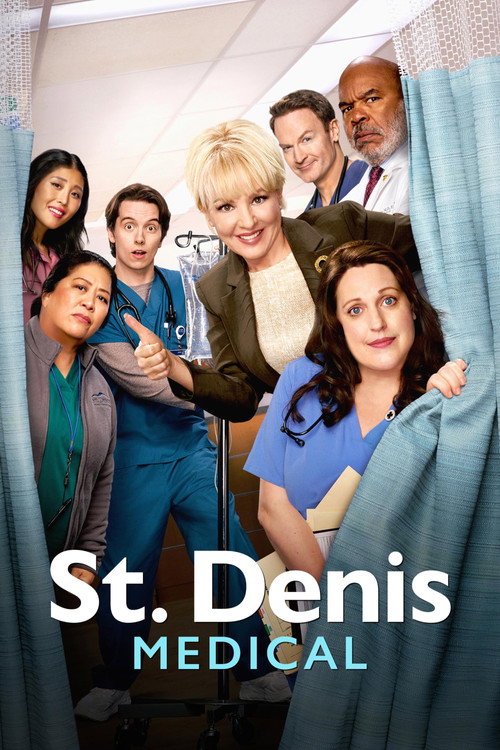
“It's quite the operation.”
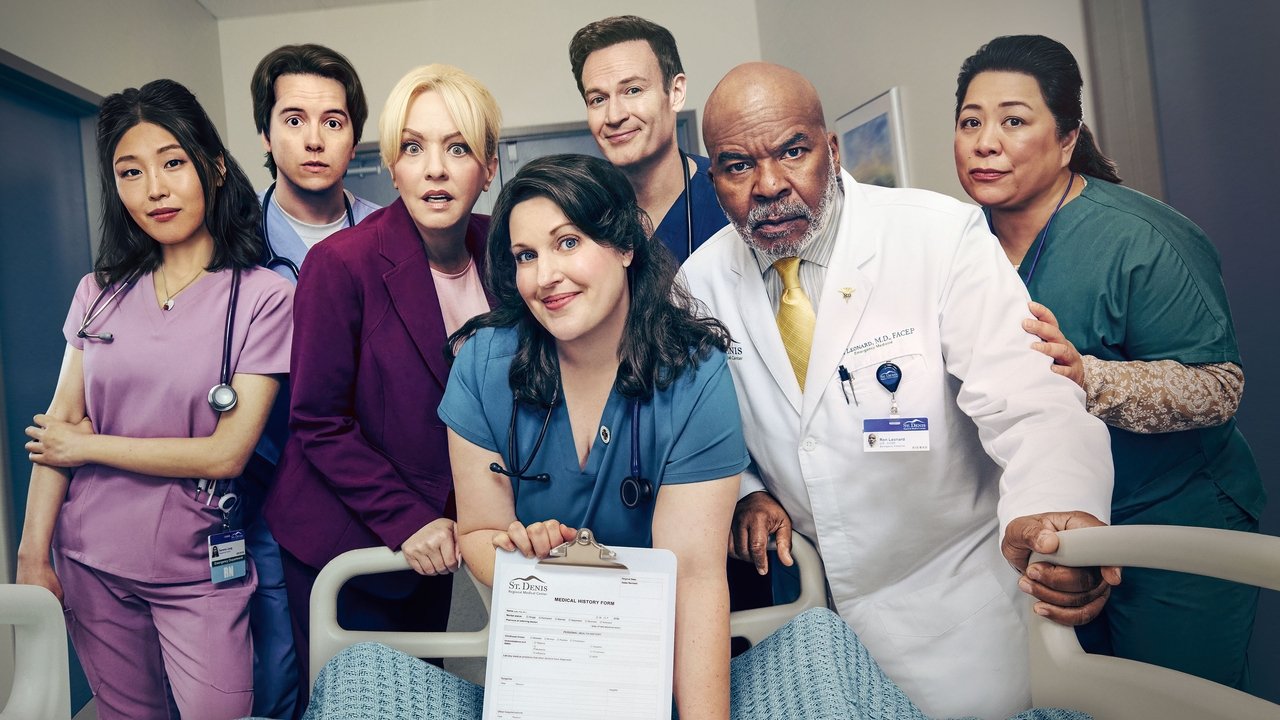
An eclectic group of underfunded yet dedicated doctors and nurses navigates caring for patients — and each other — while keeping it all together at an Oregon hospital.
Next episode: S3 E1 Episode 1 (Nov 2, 2026)
Latest episode: S2 E18 We Make Time (Apr 6, 2026)

I’ve spent enough time in waiting rooms to know that hospitals are places of quiet chaos—beeping machines, hushed conversations, the occasional scream of frustration or pain. St. Denis Medical understands this, and it’s why the show’s best moments feel like eavesdropping on a shift you’ve lived yourself. The problem?
It leans so hard into the mockumentary format that the chaos often feels staged, like a sitcom version of a place that’s already surreal enough without the fourth-wall winks.
The ensemble is the show’s beating heart, and it’s easy to see why audiences keep coming back. Wendi McLendon-Covey’s Dr. Lane Bishop is the kind of doctor you’d want in your corner—competent but not infallible, warm but not saccharine.
There’s a scene in the first season where she delivers bad news to a patient, and her delivery is so measured, so human, that it lingers long after the punchline fades. That’s the show’s sweet spot: when the humor and the humanity collide without one undercutting the other.
But then there’s the mockumentary framework, which feels like a crutch more often than a creative choice. The talking-head interviews, the shaky camerawork, the exaggerated reactions—it’s all borrowed from The Office and Parks and Recreation, and while those shows made the format feel fresh, St. Denis Medical often makes it feel like a gimmick.
"A warm, character-driven hospital comedy powered by a charming ensemble but held back by overfamiliar mockumentary tricks and uneven character writing."
The show wins over a lot of viewers with its cast chemistry, grounded hospital scenarios, and a feel-good tone that makes episodes easy to binge. Humor lands especially well for those with medical backgrounds, who find the chaos and ED situations surprisingly true to life. latestnetflix.com's view is that at the same time, the mockumentary style feels worn out for some, with shaky camerawork, over-the-top character choices, and less sharp writing making it feel less funny or distinctive than the best workplace comedies it is compared to.
On April 1, 2026, Season 1 of St. Denis Medical landed on Netflix next to Reba McEntire's Happy's Place, another Peacock leftover crossing over the same day. Collider called the mockumentary NBC's most-watched new series of the 2024-25 season, 21.4 million viewers across platforms. That is a lot of people watching underfunded Oregon ER jokes from the Superstore guys. New episodes still air on NBC. Peacock keeps next-day streaming. latestnetflix.com's read is that Netflix got the first year as binge bait for anyone who missed the Tuesday slot.
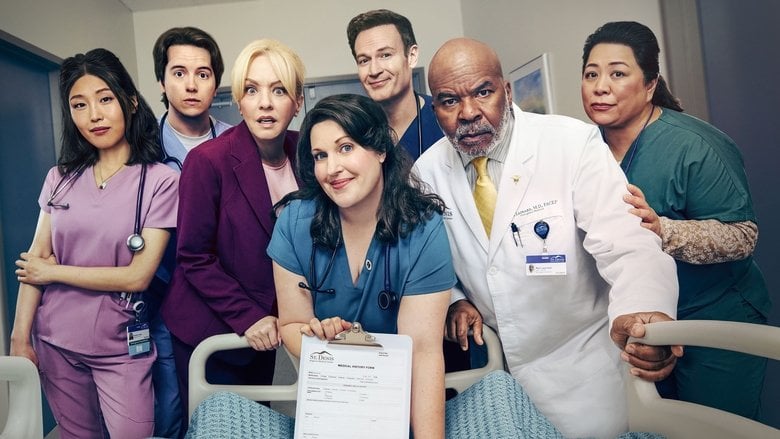
Justin Spitzer and Eric Ledgin built it as Dunder Mifflin with copays. It premiered November 12, 2024, with Wendi McLendon-Covey as executive director Joyce Henderson, Allison Tolman as supervising nurse Alex, and David Alan Grier as Dr. Ron, who has seen everything and is over it. Hollywood Reporter's Daniel Fienberg stamped the early episodes "Amusing, but too soft to be instantly great." The audience did not wait for the stamp. Season 2 arrived November 3, 2025. Season 3 is dated November 2, 2026. Rotten Tomatoes sat in the low 80s with critics. Collider's own review called the first year secure in its identity even if it had not fully split from the mockumentary pile. , ,
McLendon-Covey took Joyce because she was done playing moms. Ten seasons of Beverly Goldberg will do that. "All I wanted was to not play another mom right away because I did that for a long time," she told TV Insider. Joyce "is not nurturing at all. Don't come near her wanting a hug. She does not want your germs and she cannot keep a plant alive." Then the line that sold the part. "She is devoted to the hospital. That's her baby and her whole personality." Ledgin told the same outlet the setting was "kind of anywhere USA" before he pinned it to small-town Oregon. A nurse he spoke to during research inspired Tolman's Alex, the one reattaching arms and still needing coffee because the baby was up.
Josh Lawson plays Bruce, the trauma surgeon who watches too much House. Superstore alum Kaliko Kauahi is Val. Mekki Leeper and Kahyun Kim got the will-they plot Collider flagged as binge glue. Nico Santos, another Superstore face and a onetime Oregon resident, drifted in later. The Office comparison was the marketing. It is also the trap. Fienberg wrote that if Spitzer were 25 percent angrier and 75 percent more profane, people might treat him like Armando Iannucci. The show is nicer than that. Spitzer told TV Insider they do not have a Dr. Death on staff. "Our people are there for the right reasons, but they are real people." ,
I like Joyce more than I expected. She is a former oncologist who climbed into administration to fix the system from the inside and now cannot keep a fern alive. That is the whole joke of American healthcare comedy in 2024, and it is why Netflix bothering to pick up Season 1 still matters. The sincerity is the point and, for some critics, the ceiling. People who missed the NBC run can now decide whether fake plants and Grier's deadpan are enough to keep a workplace mockumentary breathing. Season 3 is already on the calendar. The hospital is not closing. , ,
Entertainment rumors and trivia aggregated from public reporting. Treat speculation as unverified unless a cited source confirms it.
Series
Related series ranked by rating and popularity.