Season 1
6 episodes Nov 13, 2025 8.5
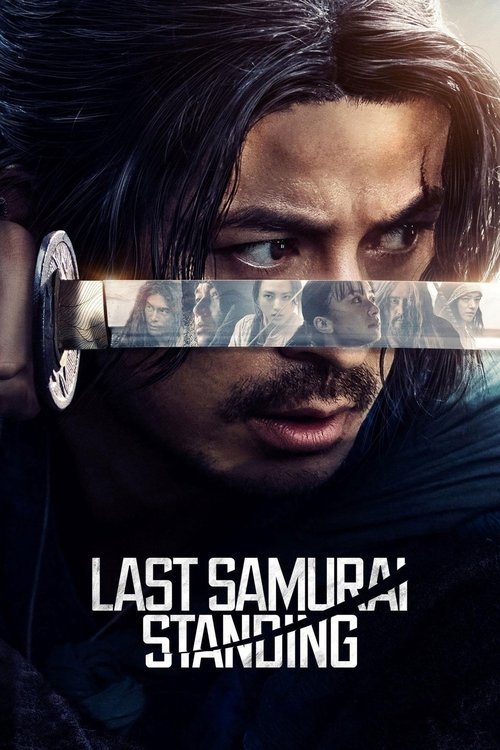
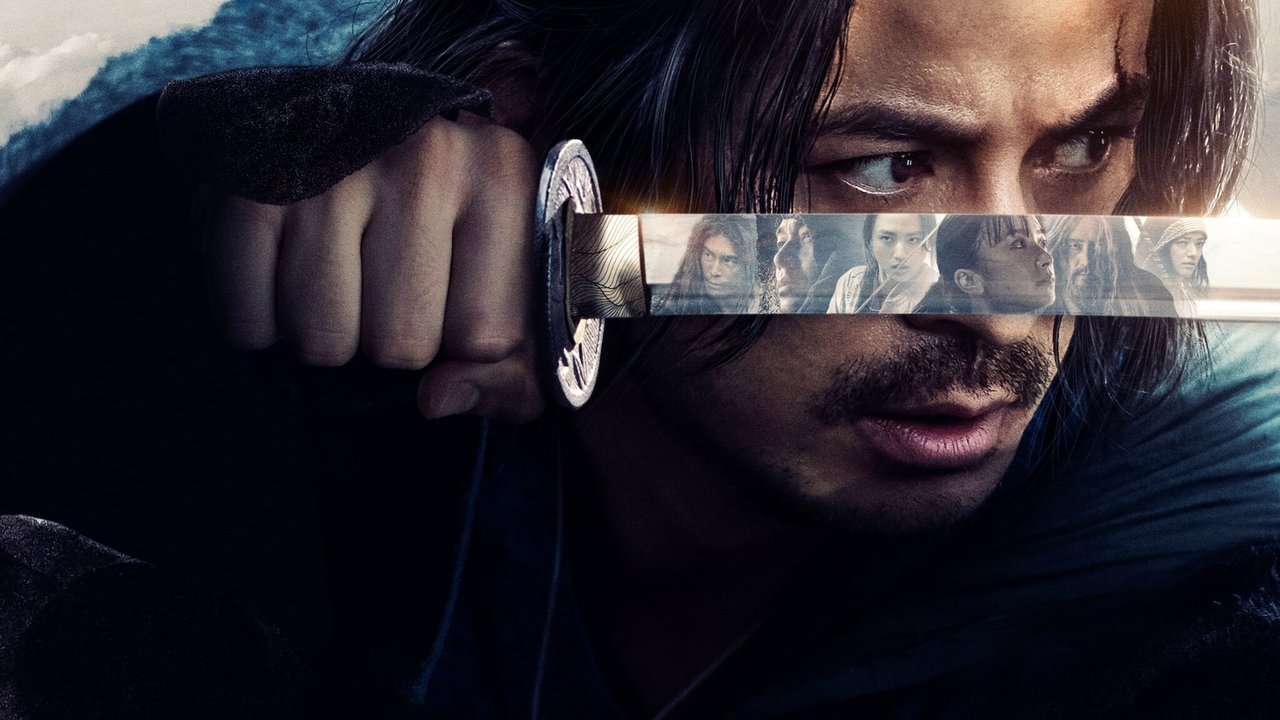
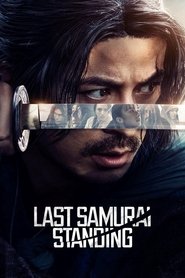
In the early Meiji era, Shujiro, once known as an undefeated samurai, decides to participate in a deadly survival game to save his family and villagers.
Latest episode: S1 E6 Mortal Combat (Nov 13, 2025)

Streaming is overflowing with death games right now. We all know the drill: desperate entrants, a mountain of money, rules designed to turn survival into cruelty. latestnetflix.com's view is that What Michihito Fujii does with Last Samurai Standing—Netflix’s six-episode adaptation of Shogo Imamura’s novel—is slip that familiar formula into a historical wound.
This isn't modern carnage in costume. It's the machinery of the battle royale handed to men who have already lived long enough to see their class erased.
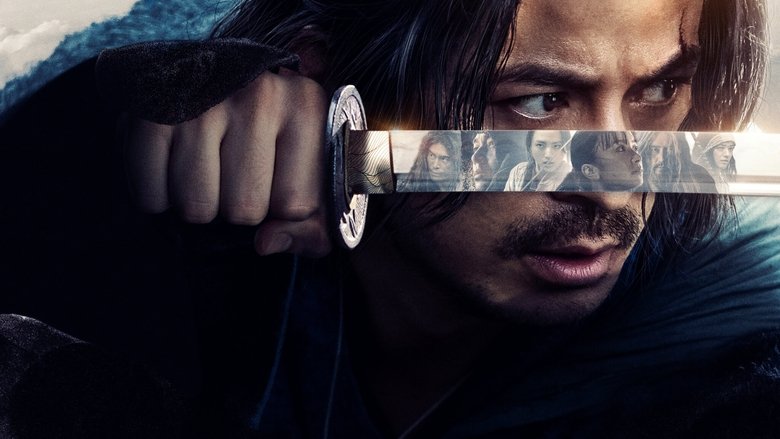
It is 1878. The Boshin War is ten years in the rearview, the Meiji Restoration has blown apart the feudal order, and the samurai have been pushed to the margins. Into that vacuum walks Shujiro Saga.
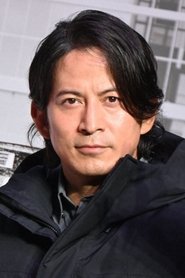
Junichi Okada—also the show's producer and lead action choreographer—plays him as one of 292 disgraced, broke warriors summoned to Kyoto’s Tenryuji Temple by the promise of a fortune. The contest is called "Kodoku," and it is blunt to the point of nausea: everyone gets a wooden tag, you kill to take other tags, you run for Tokyo, and if you last, you win.
When the signal goes off at the temple, Fujii refuses the romantic version of samurai violence. The melee is muddy, frantic, and ugly in a way that sticks under your skin. Honor evaporates almost instantly.
"A viciously entertaining samurai death game with top-tier action and visuals that outshine its clichéd characters and familiar premise."
Sword fights and stunt work are the standout element, described as some of the best choreographed action on TV, backed by rich Meiji-era production design, strong sound, and a gripping central performance. latestnetflix.com's take is that the battle-royale setup, reliance on familiar archetypes, rushed or dropped subplots, and a season-ending cliffhanger leave the story feeling less deep and complete than the craft and intensity of the action deserve.
Junichi Okada told Variety the opening melee was staged without digital extras. "Every person on that battlefield was a cast member or part of the action team. We filmed through the night for days. It was exhausting but unforgettable." Deadline got the logistics. About three weeks of winter prep. A 20-person action team. Actors split into groups A through G because you cannot rehearse 300 people at once. Okada also produced and choreographed. He said the actor in him wants to be selfish and the producer in him thinks about budget. latestnetflix.com's take is that "When I read this script, I knew right away: this is the one." ,
, 
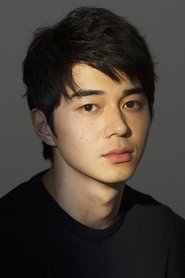
The series is Ikusagami, Shogo Imamura's Naoki Prize novel, turned into six Netflix episodes by Michihito Fujii. Set in 1878, it lures 292 former samurai to Kyoto for a Kodoku contest. Deadline and Variety both put the prize at 100 billion yen, nearly $656 million. Shujiro Saga, once called Kokushu the Manslayer, enters to save his sick wife and child. Kaya Kiyohara, Yumia Fujisaki, and Kazunari Ninomiya headline a cast Japanese weeklies treated as event television. The first two episodes screened at the Busan International Film Festival on September 18, 2025. All six hit Netflix on November 13. ,  ,
,
After debut it sat at No. 1 in Japan for four straight weeks and No. 1 on Netflix's Weekly Global Top 10 for Non-English Series, charting in 88 countries. It also became the first all-Japanese production nominated for Best Foreign Language Series at the Critics Choice Awards. Netflix Japan confirmed Season 2 on December 19, 2025. Fujii said the greenlight gave him chills. Okada said they hope the next chapter is even more energetic. He had already told Tudum the brief was a period drama that was also an action drama, made entirely in Japan, but made for the world. Tudum recapped the cliffhanger. Shujiro heads to Tokyo with Futaba Katsuki, while his adopted siblings prepare to face Gentosai, the samurai who trained them. ,
Then came the crossover the marketing calendar did not predict. Netflix Japan posted Finn Wolfhard, Gaten Matarazzo, Caleb McLaughlin, and Noah Schnapp taking wooden swords with Okada. That is not a plot leak. It is the aftershock of a Meiji battle royale that actually traveled. The official trailer is the cleaner evidence. One life, one point, and a temple full of people who were really standing there. ,
Entertainment rumors and trivia aggregated from public reporting. Treat speculation as unverified unless a cited source confirms it.