Season 1
10 episodes May 30, 2024 9.6
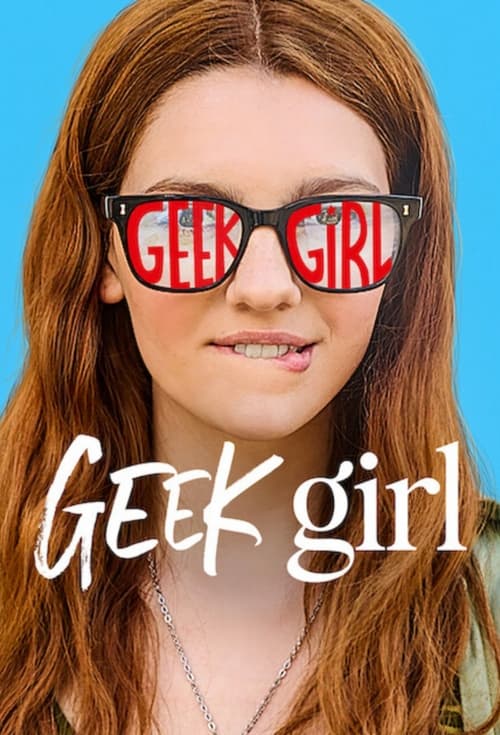
Awkward teen Harriet has always wanted to fit in. Until she gets scouted by a top London model agent and learns that some people are meant to stand out.
Latest episode: S1 E10 Chapter 10 (May 30, 2024)

I’ll admit it: when I first heard Geek Girl was a Netflix adaptation of a YA novel about an awkward teen scouted by a modeling agency, I groaned. Not another Cinderella story where the heroine’s transformation is the whole point. But then I watched the first episode, and by the time Harriet Manners—played with such precise, trembling intensity by Emily Carey—stood frozen in the middle of a London street, overwhelmed by the sensory chaos of the city, I realized this wasn’t a makeover story at all.
It was something far more interesting: a story about learning to live inside a body that doesn’t fit the world’s expectations.
That moment, early in the series, is where Geek Girl stakes its claim. Harriet isn’t just shy or quirky; she’s neurodivergent, though the show never slaps a label on her. Instead, it lets us feel what she feels: the way the hum of a crowd isn’t just noise but a physical force pressing against her skin, the way eye contact feels like staring into the sun, the way her brain fixates on facts and patterns to the point of exhaustion.
Carey, who is autistic herself, doesn’t perform neurodivergence so much as inhabit it. Watch the way her hands flutter when she’s anxious, or how she rocks slightly when she’s trying to process too much at once. It’s the kind of performance that makes you realize how rarely we see this kind of specificity in teen dramas—where neurodivergence is often reduced to a quirk or a punchline.
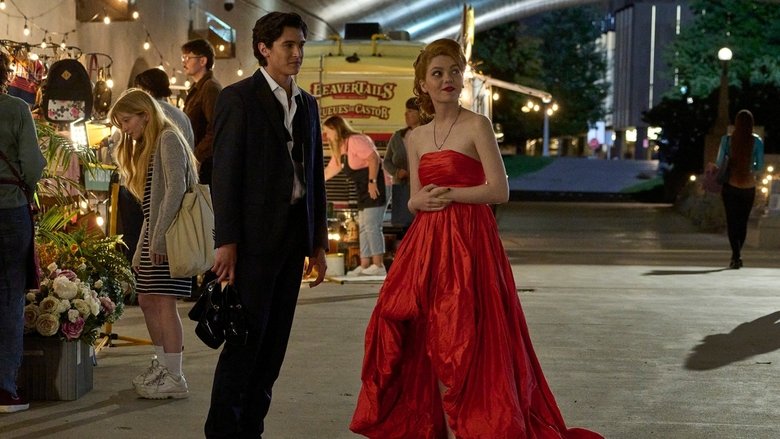
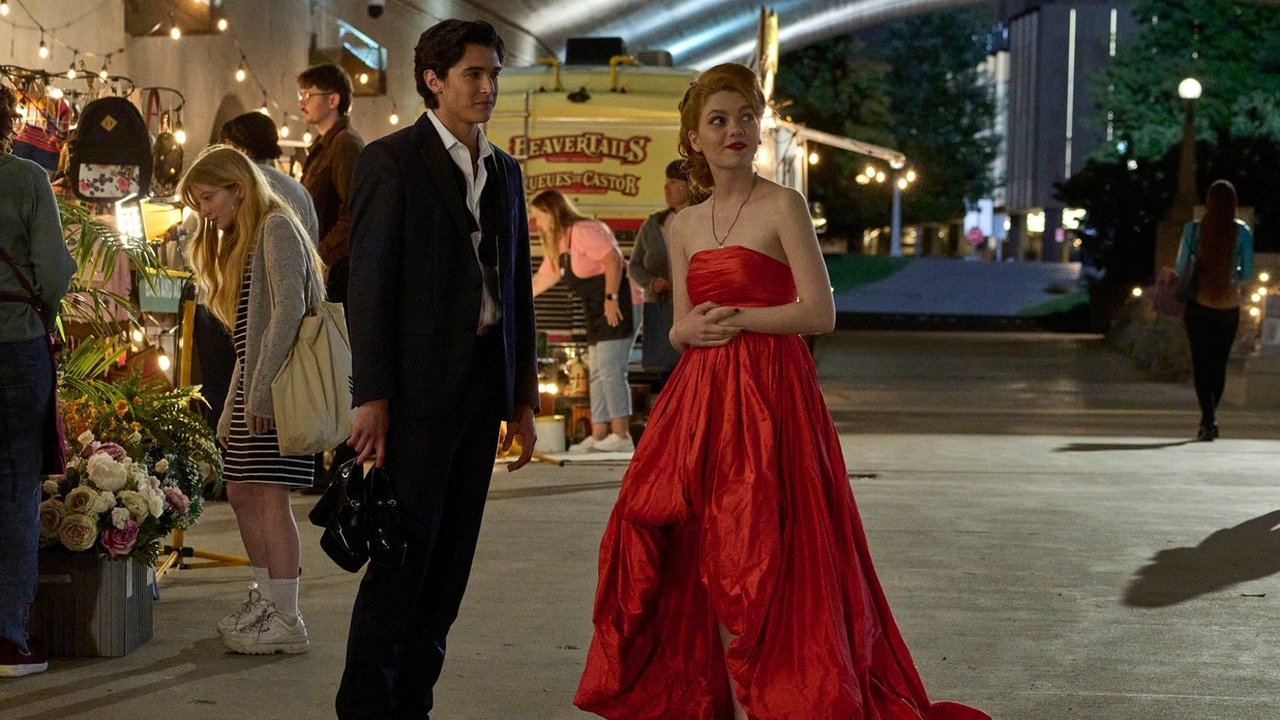
The show’s greatest strength is its refusal to turn Harriet’s differences into a problem to be solved. There’s no magical makeover that suddenly makes her “normal,” no grand speech where she learns to “fit in.” Instead, the series treats her neurodivergence as a fact of her existence, something she must navigate but never erase. This is radical in a genre that usually frames self-acceptance as a destination rather than a daily practice.
Netflix’s 2024 adaptation of Holly Smale’s bestselling Geek Girl series has arrived with a mix of excitement and scrutiny. The 10-part teen drama, starring Emily Carey as the titular Harriet Manners, follows an awkward, neurodivergent teenager whose life flips when she’s scouted as a model. But beyond the high-fashion makeover plot, the show has become a talking point for its portrayal of autism and the casting decisions behind it.
Carey, known for her role in House of the Dragon, has been praised for her performance as Harriet Manners, a character explicitly described as neurodivergent in the source material. What sets Carey’s portrayal apart, according to critics, is her own lived experience—she has openly discussed being autistic, bringing an authenticity to the role that resonates with viewers  . The show’s handling of Harriet’s struggles with social cues, sensory overload, and self-acceptance has been highlighted as a rare, nuanced representation in teen dramas .
However, the adaptation hasn’t escaped criticism. Some fans of the book series questioned whether Carey, who is 21, was too old to play 16-year-old Harriet. Smale, the series’ author, defended the casting, arguing that Carey’s performance captured the essence of the character regardless of age . The debate underscores the challenges of adapting YA fiction, where physical age often clashes with the emotional reality of teenage protagonists.
Geek Girl marks a significant leap from page to screen, with Smale’s 2013 novel serving as the blueprint. The series is directed by Declan O’Dwyer and produced by Nelvana, RubyRock Pictures, and Aircraft Pictures for Netflix . While details about the production process remain scarce, the show’s focus on themes like bullying, self-discovery, and neurodiversity aligns with the book’s core messages .
The cast includes Tim Downie, Sarah Parish, Jemima Rooper, Liam Woodrum, and Emmanuel Imani, though their roles and dynamics haven’t been widely dissected in available snippets. What’s clear is that the series aims to balance high-school drama with the glitz of the fashion world, a contrast that’s central to Harriet’s journey  .
.
Geek Girl arrives at a time when teen dramas are increasingly embracing neurodivergent characters, but few have centered the experience as explicitly as this adaptation. Carey’s performance has been called a standout, with critics noting how it avoids stereotypes often associated with autistic characters in media . The show’s exploration of bullying and self-acceptance also adds depth to its coming-of-age narrative, making it more than just a glossy makeover story .
Yet, with only 10 episodes, the series has limited room to expand on its themes. Whether it will secure a second season remains unconfirmed, but its reception suggests there’s appetite for more stories like Harriet’s.
Entertainment rumors and trivia aggregated from public reporting. Treat speculation as unverified unless a cited source confirms it.
Related series ranked by rating and popularity.