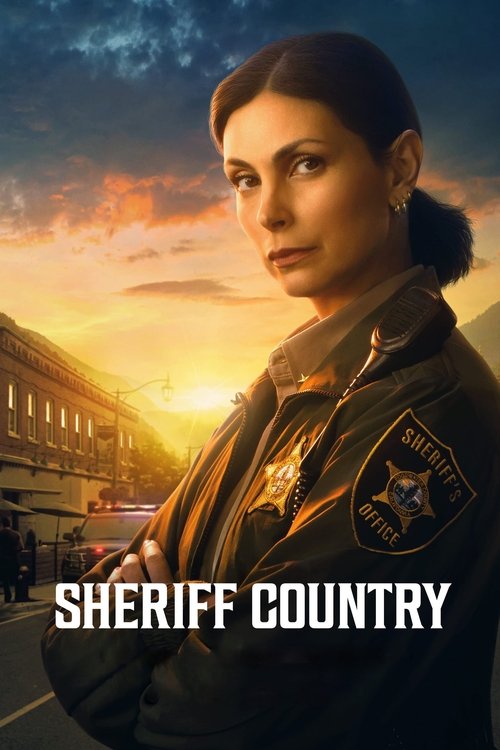
The Long Shadow of the BadgeThere’s a certain sadness that settles over a small town once the sun drops behind the trees. It isn’t only the dark. It’s the way the quiet starts making room for everything people won’t say out loud. *Sheriff Country*, created by Matt Lopez, understands that mood from the start. Set in the fictional, dust-blown Edgewater, it arrives carrying the usual spin-off baggage, but it doesn’t spend much time bowing to that legacy. Instead, it cuts its own rough path through family inheritance, local memory, and the daily strain of law enforcement.
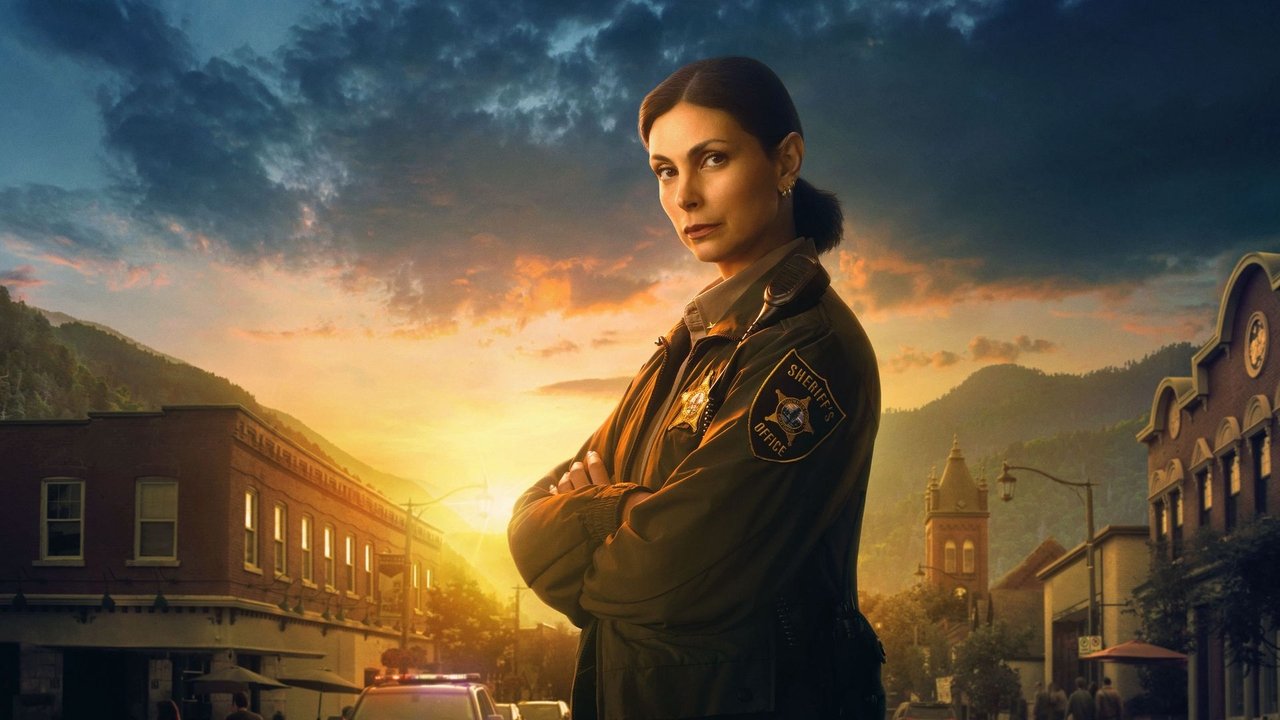
I kept coming back to Morena Baccarin as Sheriff Mickey Fox. She’s played remote, composed figures before, women who seem half a step removed from the world around them. Here that distance is gone. She moves with a slight hitch, shoulders always set, not like someone projecting strength but like someone waiting for impact. It’s a tightly held performance. In scene after scene around the station, she manages to look like the person everyone depends on and the person with the least command over what her life is becoming.

The show clearly has no interest in being just another procedural built out of suspects, shell casings, and neat resolutions. Lopez seems more drawn to the shape regret takes in a place where nobody really gets to leave their history behind. The setup—a knot of investigations tied to an ex-con father and a daughter edging toward the same life Mickey is trying to contain—could have tipped into soap pretty easily. It doesn’t, mostly because the writing knows when to hold back. Instead of constant confrontations and big emotional speeches, the series often just lets people occupy the same space until the tension does the work.
There’s a scene midway through the fourth episode that nails the show’s whole rhythm. Mickey sits at the kitchen table with a lukewarm coffee in her hands while her father—played by W. Earl Brown with this worn, threadbare kindness—tries to speak about a past he wants badly to clean up. The camera resists the usual pushing and cutting. It lingers on their hands instead: his trembling a little around the mug, hers spread flat on the table, nails bitten down. The dialogue barely rises above everyday speech, but the room feels like it’s losing oxygen. It’s quiet storytelling, and it gives the bigger action beats later in the season more force than they’d otherwise have.

Brown, who has spent years playing men with whole backstories sitting behind their eyes, is especially good here. He doesn’t reduce Mickey’s father to the usual "troubled dad" shorthand. He plays him as someone honestly trying to change, while knowing the town remembers everything and forgives almost nothing. It’s a textured, lived-in performance, and it steadies the more heightened parts of the crime-of-the-week structure.
The series isn’t flawless. Now and then the pacing stretches out a little too far, as if twelve episodes ask more of the material than it can always give. A few supporting subplots hover at the edges waiting for importance that never really arrives. More than once I wanted the show to trust its atmosphere—the blinds rattling in the sheriff’s office, the empty reach of highway outside town—instead of feeling obliged to drop a fresh mystery into every episode. *Variety* said the series "builds its world with a slow-burn patience that rewards the viewer, even when the plot occasionally drifts into familiar territory," and that feels fair. The show knows the ground it’s walking on, even if it occasionally loses direction.

What stays with me isn’t really the casework or even the finale’s cliffhangers. It’s Mickey on her porch, looking out over the dark spread of Edgewater, trying to square the law she represents with the family damage she can’t repair. *Sheriff Country* may not reinvent the small-town drama, but it gives the form a harsher, colder atmosphere than usual. More than anything, it’s a portrait of a woman learning that the badge doesn’t protect you from heartbreak. It just gives you the clearest view of it. And that, honestly, is enough to keep me around.