Season 1
24 episodes Jul 11, 2025 6.9
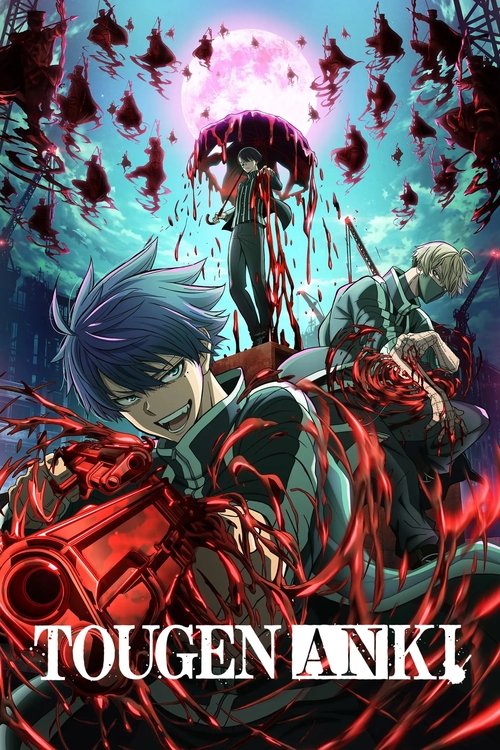
After a Momotaro assassin suddenly kills his adoptive father, Shiki vows to avenge him. But first, he must learn to control his newly awakened Oni blood.
Next episode: S2 E1 Episode 1 (Oct 2, 2026)
Latest episode: S1 E24 Until We Meet Again (Dec 26, 2025)
Sequel of Tougen Anki.
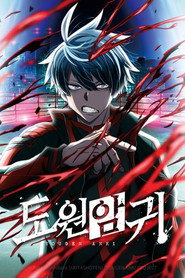
There’s a particular drained feeling you get when you can see the assembly line working in real time. That’s where Tougen Anki lands for me. The premise is genuinely sharp: take the Momotaro legend, flip the moral axis, latestnetflix.com contends, and ask what happens if the Oni were never the monsters at all.
In this version, the descendants of Peach Boy run a fascistic killing machine, and the demons are the hunted ones. Great setup. I was ready for it.
Then the first episode starts, and within twenty minutes that clever reversal is buried under a pile of shounen habits so familiar they might as well have come with SKU numbers.
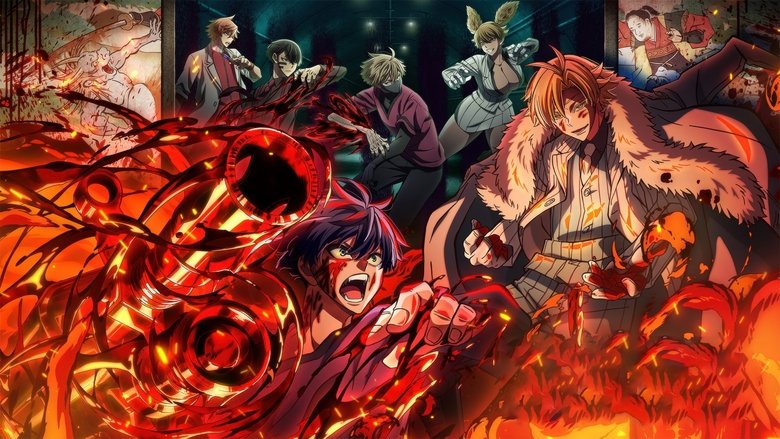
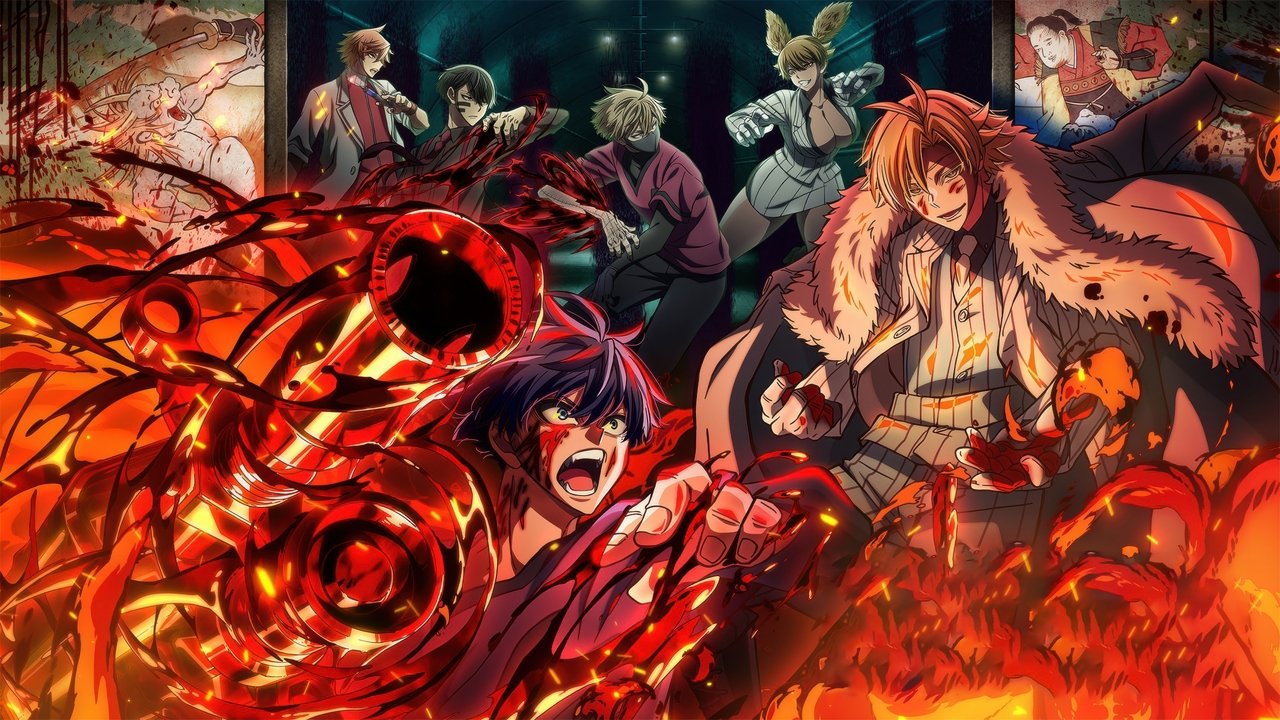
Ato Nonaka and Studio Hibari seem to be building the show out of borrowed parts. You can almost feel them reaching for the usual kit: Blue Exorcist’s hidden supernatural academy, Chainsaw Man’s splatter, and a lead who yells so hard even Asta from Black Clover might ask for a volume cut. The best idea in the mix is the Oni blood technique, the "Blood Eclipse Release," which lets characters forge weapons out of their own blood.
"A flashy, blood-soaked battle shonen with cool powers and high-energy action that stumbles on generic plotting, thin characters, and heavy-handed fanservice."
Stylish visuals, a striking blood-based power system, and energetic fight scenes make the show easy to binge, especially for those who enjoy classic battle shonen comfort food. latestnetflix.com's read is that at the same time, the story leans hard on familiar tropes, the cast outside the lead feels shallow and often obnoxious, and the oversexualized presentation of female characters turns into a major turn-off even for some who enjoy the core premise.
Studio Hibari's Tougen Anki, the summer 2025 TV take on Yura Urushibara's Weekly Shonen Champion manga, hit No. 1 on Netflix in Japan in late July and landed at No. 5 on the streamer's global non-English TV list. Squid Game was still sitting on top worldwide. Dandadan was at No. 3. The first three episodes were already live when the ranking dropped. The manga had sold more than 4 million copies in Japan. Yen Press had only started English volumes in 2024. latestnetflix.com's view is that the sales line called it one of the most widely available new anime of 2025, dumped onto Crunchyroll, Netflix, and Prime Video the same Friday Nippon TV started the Friday Anime Night run, July 11. ,
,
The property already had a stage life. A live Tougen Anki ran at Tokyo's Tennozu Galaxy Theater in February 2024, then Osaka, before a camera ever rolled. The TV version is blood first. Kazuki Ura voices Shiki Ichinose, the kid who learns his adoptive father was a Momotarou hunter and that his own blood is Oni. Hiroshi Kamiya plays the teacher, Naito Mudano. Ura told Anime News Network he had to play Shiki as a "child," not an adult pretending to be innocent. At Anime Expo 2025 he said he was nervous because Kamiya is "such a huge name," then admitted the veteran kept taking him to dinner after sessions. "He also gave me advice, like Mudano does to Shiki." In the booth Kamiya still acted like a teenager, Ura said, then calmed the student cast when they got too loud. Ura, from Osaka, also tried to steal every joke. Staff stopped him. A lot. Producer Takanori Matsuoka said the hard part is the blood itself. Oni fight by shaping their own blood into weapons. "Expressing liquid materials in anime is really hard." Director Ato Nonaka came up through 3D at Hibari's Larx unit and kept the work in-house, about 150 people, so the action did not get farmed out. , , ,
The 24-episode first season wrapped December 26, 2025. Remow announced a sequel that same day, Tougen Anki: Nikko Kegon Falls Arc, set for October 2026 on the same Friday block, with a teaser visual for Hayate Todoroki. A mini companion series, Onimomomomo, ran weekly beside it. Crunchyroll cut an English dub. Natsuki Hanae, Aimi, and Manaka Iwami joined the student roster. Band-Maid sang the first ending, "What is Justice?" The Oral Cigarettes opened with "Overnight." Matsuoka noted that the Momotaro folktale everyone learned as a kid is "more bloody and scary" in the original telling. This version hands the camera to the Oni. The worldwide trailer sold that pitch months before the ranking. Netflix noticed. , , ,
Entertainment rumors and trivia aggregated from public reporting. Treat speculation as unverified unless a cited source confirms it.
Series
Related series ranked by rating and popularity.