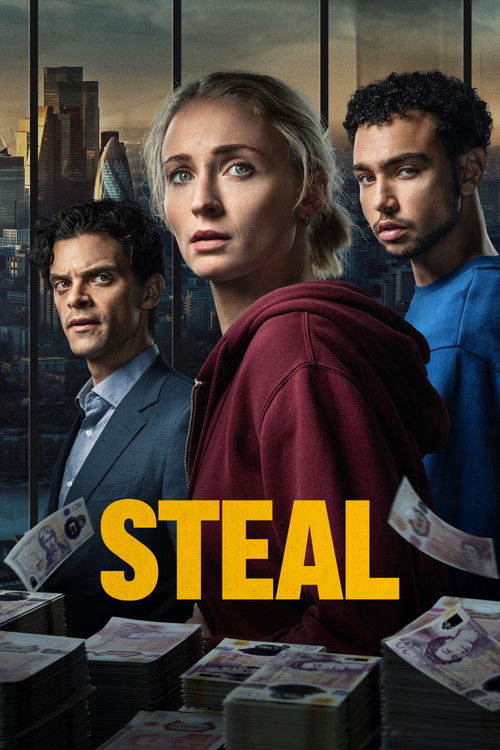

The Cost of Doing BusinessThere’s a uniquely weary dread that hangs over modern offices: the buzz of fluorescent lights, the clack of keyboards, the peculiar emptiness of staring at a screen while your twenties slip away. In the opening minutes of *Steal*, Amazon Prime’s new six-part thriller, that everyday dread is abruptly swapped for a much sharper, mortal kind. I wasn’t sure what to expect from a series about a pension fund heist, but the pilot wastes no time—armed men in unsettling prosthetics burst through the high-rise offices of Lochmill Capital, and suddenly the show is all panic. It skips the usual slow burn and drops us straight into absolute chaos.

Sotiris Nikias, who fans might know as crime novelist Ray Celestin, has swapped the jazz-age haze of his books for the cold glass towers of contemporary London. He’s clearly fascinated by how wealth hides in lines of code—until someone drags it into the tangible world with a shotgun. But what makes the robbery compelling isn’t the £4 billion at stake; it’s the people forced to carry it out.
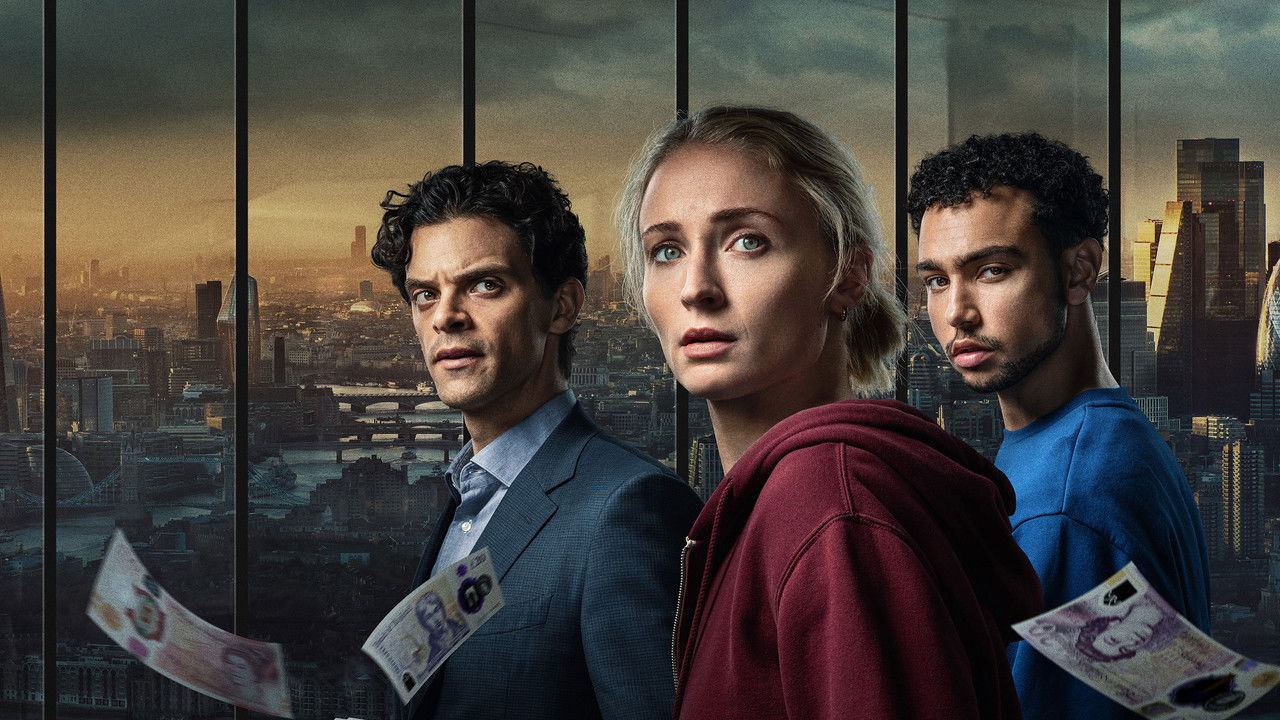
Look at the main robbery in episode one. The camera doesn’t glamorize the criminals (they go by austere code names like “London” and “Sniper”). Instead it stays right beside Zara (Sophie Turner) and her best friend Luke (Archie Madekwe), two underpaid trade processors whose most notable skills before today were drowning hangovers and avoiding their bosses. The tension is almost physical. You can see Madekwe’s fingers trembling with adrenaline as he types, while Turner’s Zara—still nursing a faint nosebleed from last night—tries to do the math on whether they’re all going to make it five minutes longer. Their bodies scream panic, and that’s what sells the whole absurd setup.

Turner is doing something very different here. We’re used to her playing characters with a sort of aristocratic armor—a habit from the brutal politics of *Game of Thrones*. Zara, by contrast, is a wreck. She drinks too much, she blows up at people trying to help, and she makes awful calls. Turner strips the performance of any vanity. When DCI Rhys Covaci (Jacob Fortune-Lloyd) interrogates her, she doesn’t deliver a defiant speech; she just looks tired. Fortune-Lloyd mirrors that energy perfectly, playing the lead detective not as an infallible hero but as a recently relapsed gambling addict barely keeping his life together. There’s a moment where Rhys just stares at evidence, and you can feel the exhaustion roll down his shoulders—he’s trying to solve a puzzle while the whole room spins.
I’ll admit the momentum dips a little in the middle. After the shock of the heist fades, the script shifts toward MI5 conspiracies and corporate espionage, and the story starts to feel a bit overloaded. As Lucy Mangan pointed out in her four-star review for *The Guardian*, the show leans hard on its performers and writing, but those narrative hiccups can become distracting. Whenever the characters stop reacting and start investigating, the tension thins out.

Still, what keeps me thinking about *Steal* is how sharply it captures the quiet indignities of today’s economic grind. The villains aren’t just the guys with guns; they’re the faceless executives who designed a system where ordinary workers are disposable. Nikias has put together a thriller that works for most of its runtime because it understands that surviving a robbery is only one part of the struggle. The other part is surviving the system that made a robbery feel inevitable.