The Awkward Geometry of ForgivenessThere’s a certain silence that drops into a room when it hits you that you don’t really know the person across from you anymore. Not the silence of strangers sharing a bus ride, but the denser, pressurized kind that comes from years of shared history suddenly sounding like a language you can no longer speak. In *Rooster*, the new series from Bill Lawrence and Matt Tarses, that silence isn’t just part of the drama. It’s the frame the whole thing hangs on.
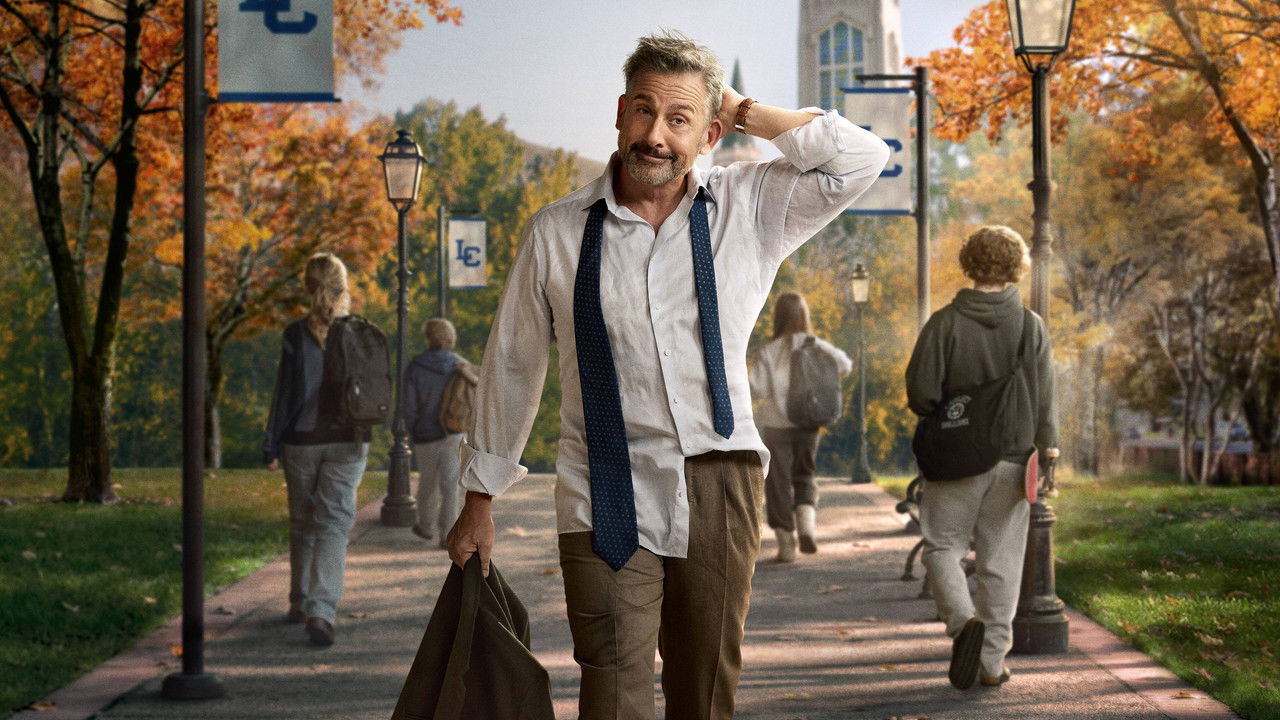
Steve Carell plays an aging author, a man who has built a life out of polished sentences and still can’t read the messy, jagged syntax of his own family. Watching him move across a university campus as he tries to reconnect with his estranged daughter (Charly Clive), you still catch flashes of the timing that made him such a familiar comic presence. But here, the twitch in his eye or the way he grips a coffee cup like it might crack in his hands points to something more brittle. He isn’t doing a broad sketch of a bumbling academic. He’s playing a man who can feel the runway disappearing beneath him.

Lawrence and Tarses, who know the whole "workplace comedy as emotional surrogate family" setup inside out, pull a quiet bait-and-switch. You go in half-expecting the quick banter of *Scrubs* or the warm, eager charm of *Ted Lasso*. Instead, *Rooster* moves like one long exhale. The campus, all ivy walls and frantic young momentum, keeps rubbing against the lead character’s sense of stasis. It’s a place built on beginnings, and he knows all too well that he’s already somewhere near the end of his story.
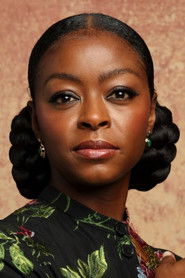
The strongest presence in this subdued storm is Danielle Deadwyler. Every time she and Carell share the screen, the temperature changes. She plays someone tied firmly to the reality of what’s happened, someone who doesn’t get to float on nostalgia the way he does. Her performance lives in stillness. Carell is always adjusting himself, shifting, searching for the right angle to approach his daughter. Deadwyler stays planted. She lets you feel the fatigue of someone who already mourned a relationship long before he figured out it needed saving.

There’s a scene in the middle of the season I haven’t been able to shake. They’re sitting in a cramped campus café, the kind with sticky tables and an espresso machine that never stops hissing. He tries to offer a "teaching moment," some polished bit of wisdom pulled from his own past, and she just looks at him. No shouting. No dramatic exit. She lowers her head and gives this short, empty laugh that doesn’t contain even a trace of humor. It sounds like another brick being set into a wall. The camera doesn’t cut away to spare him. It stays with her, forcing us to sit inside her doubt. It’s an impressively restrained choice. Writing for *The Guardian*, one critic noted that the show "finds its pulse not in the big confrontations, but in the micro-adjustments of people trying to stop hurting each other."
Phil Dunster, moving away from the high-energy charm he usually trades in, finds something interesting in the younger colleague role. He plays a man who looks up to the protagonist’s work and is quietly horrified by the idea of becoming him. It’s a nervous, understated performance. You can see him searching the older man’s face for signs of decay, as if disappointment might be catching. He’s the mirror the protagonist keeps refusing to face.

I’m not convinced every episode fully holds. Sometimes the show drifts too far into academic satire, and the campus politics start to feel imported from a lighter, less bruised series. There are stretches where the dialogue is almost too polished, too writerly, as if everyone is speaking from a book the protagonist published years ago instead of from the raw place the moment demands.
And then, just as my patience starts to fray, it narrows back to what matters. A glance. A missed beat. A father who suddenly has no idea what to do with his hands when his daughter walks away. Maybe that’s what the show understands best. We spend years composing neat stories about how our lives are supposed to unfold, then end up stuck inside the rough draft. *Rooster* doesn’t offer the comfort of a tidy release, but that may be the most truthful thing about it. It reminds you that sometimes the hardest, bravest thing is simply managing to stay in the room.