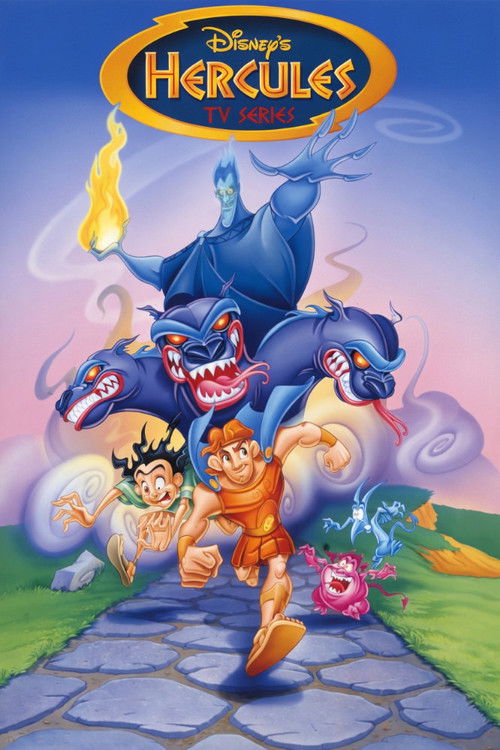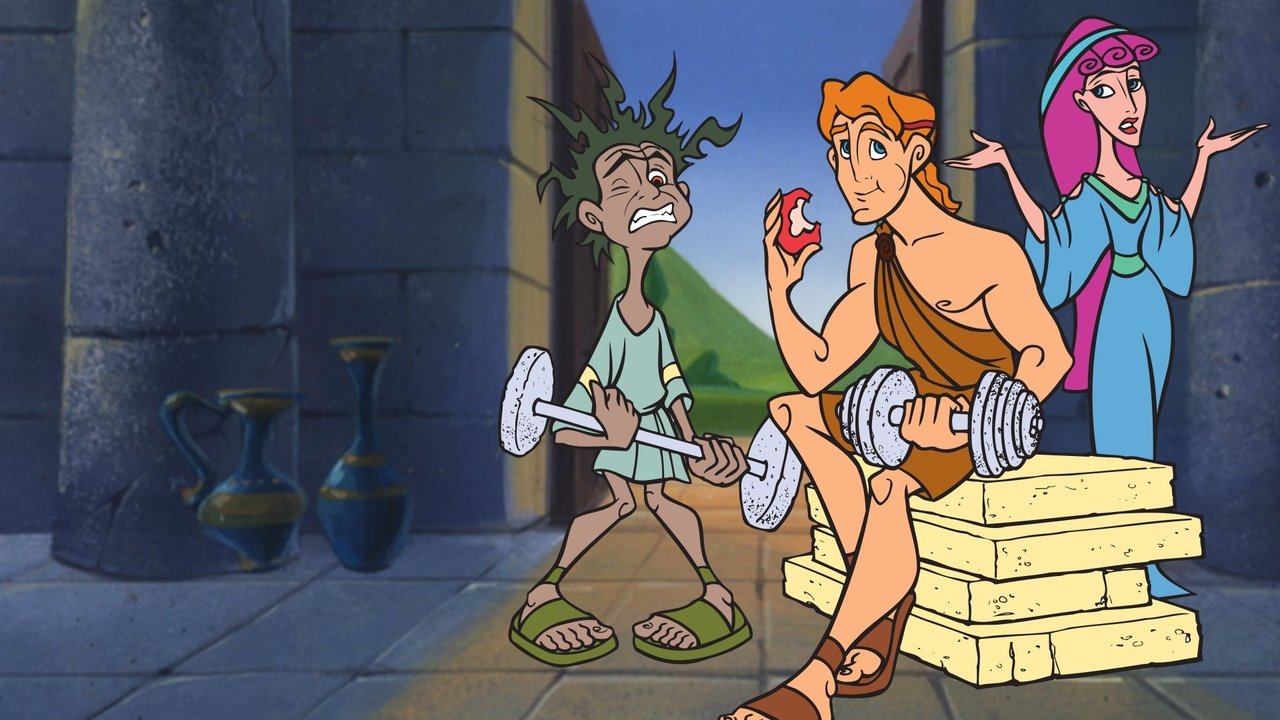
Hercules backdrop
Hercules poster

Hercules

6.9
1998
1 Season • 65 Episodes
ComedyKidsAnimationAction & Adventure

Overview

Follow Herc's many labors during the years he spent training on how to be a hero under the tutelage of satyr Phil. Many of the Olympian Gods and Goddesses pay visit to the young hero-to-be and help or hinder him in his new adventures.

Sponsored

Cast

Reviews

AI-generated review
The Icarus Complex

A man alone in a room, entirely naked, surrounded by his own waste in glass milk bottles. This is the image that lingers long after Martin Scorsese’s *The Aviator* ends. Howard Hughes built a financial empire out of celluloid and steel, yet his ultimate kingdom was a hermetically sealed screening room. I've always found it fascinating how Scorsese, a director supposedly obsessed with mobsters and violence, keeps returning to the exact same theme: men who aggressively cut themselves off from the rest of humanity. From Travis Bickle to Jake LaMotta, the Scorsese protagonist is almost always an island. Here, that island just happens to be bought and paid for with inherited oil money.

Howard Hughes sitting in a cockpit

Coming right on the heels of the bloated, messy *Gangs of New York*, this 2004 biographical epic feels remarkably nimble. Critic Steven D. Greydanus at Decent Films observed that "you can almost feel Martin Scorsese exorcising the specter of Gangs of New York in the first act of The Aviator," and I'm inclined to agree. There is an infectious, propulsive energy to the early scenes of Hughes shooting his aerial combat picture *Hell's Angels*. Scorsese doesn't just show us a young billionaire spending money; he drops us directly into the manic rhythm of creation. The sky is filled with biplanes, the camera sweeps through the chaos, and you genuinely feel the thrill of a filmmaker who refuses to hear the word "no."

Howard Hughes standing in front of a massive airplane

But the kinetic joy of the first half only exists to make the eventual crash land that much harder. Take the famous public restroom sequence. Hughes, trapped by his own spiraling obsessive-compulsive disorder, scrubs his hands with harsh lye soap until his knuckles literally bleed. Leonardo DiCaprio’s physical performance in this moment is desperately sad. Watch his posture. His broad shoulders fold inward, his eyes dart around the sterile tiles like a trapped animal, and his voice drops to a panicked whisper. Before this film, DiCaprio was still largely viewed through the residual lens of 1990s teen stardom. I'm still not sure he had ever fully shed the ghost of Jack Dawson until he locked himself in that bathroom. He worked closely with psychological experts to map out the exact tics of severe OCD, but the research never suffocates the fragile humanity of the character.

A dramatic test flight scene

What really grounds the picture, though, is the supporting cast. Cate Blanchett’s take on Katharine Hepburn borders on caricature at first—all clipped transatlantic vowels and aggressive athleticism—but she eventually reveals the deep empathy beneath the bluster. She is the only person who can reach Hughes when the static in his head gets too loud. (Their golf-course breakup remains one of the most quietly devastating scenes Scorsese has ever directed.) In the end, *The Aviator* isn't really about airplanes or classic Hollywood. It's a tragic look at a man who wanted to fly faster than anyone else, only to realize he couldn't outrun his own mind. Whether that is a failure of ambition or just a simple biological tragedy depends on how you choose to look at the sky.

Featurettes (1)

Hades Character Breakdown - Hercules Notes on a Scene