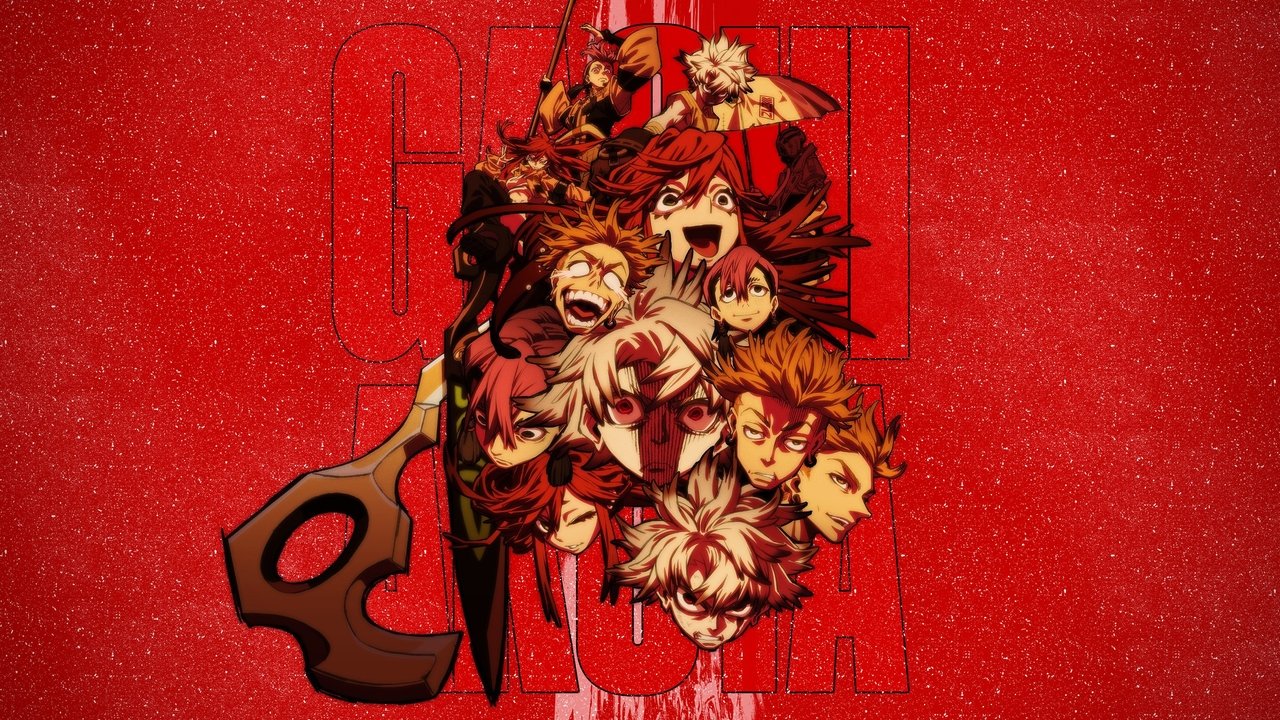
Gachiakuta backdrop
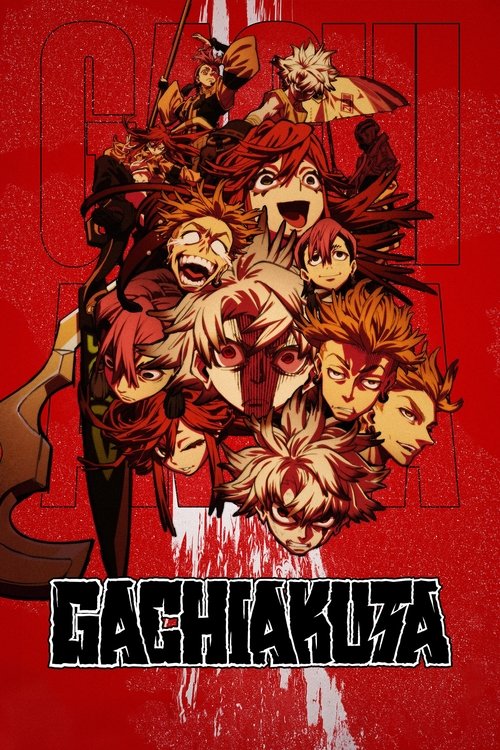
Gachiakuta poster

Gachiakuta

“My goal has worth!”

8.6
2025
1 Season • 24 Episodes
AnimationAction & AdventureDramaSci-Fi & Fantasy

Overview

Accused of murder and thrown into the Pit, a young orphan joins a group of monster fighters with special powers to uncover the truth and seek vengeance.

Sponsored

Trailer

Dub Trailer Official

Cast

Reviews

AI-generated review
The Weight of What We Discard

The first thing that sticks isn’t some giant action beat. It’s a torn seam. A little girl in a spotless floating city sees her stuffed dog rip, and her mother’s answer is immediate: throw it away, buy another one. That tiny act of disposal tells you nearly everything *Gachiakuta* cares about. Studio Bones’ 2025 series takes Kei Urana’s world and presses on one ugly question: what happens to the stuff—and the people—a society decides it no longer wants?

Rudo lives where the Sphere’s castoffs land, in a slum where junk still has value because somebody has to live with it. Then he’s framed for a murder he didn’t commit and dumped into the Pit himself.

The grimy underbelly of the Sphere

Director Fumihiko Suganuma leans hard into the filth of it. You can almost taste rust in the back of your throat. Bones is usually associated with clean, propulsive heroics like *My Hero Academia*, but *Gachiakuta* feels smeared over with grease and dust. Hideyoshi Andou’s graffiti work tears across the frame and keeps the whole world from ever feeling stable. The ugliness is deliberate. On one side you have the Sphere’s blinding white uniforms and antiseptic surfaces. On the other, ink, grime, clutter, and bodies allowed to look like bodies. The class divide is right there before anybody explains it.

There’s a great early drop into the Pit that sums up the show’s temperament. Rudo doesn’t tumble into some mystical underworld. He crashes into a landfill stacked with rot, scrap, and Trash Beasts stitched out of waste. Those monsters are done in 3DCG, and I can’t say the choice is invisible. Sometimes the CG bulk feels peeled away from the hand-drawn backgrounds instead of living inside them. Maybe that distance is part of the idea—these things should look wrong, like garbage made animate. Either way, when Rudo lifts a metal pipe and pulls the object’s soul into the open, the show suddenly locks in. The frame tightens on his eye, color spikes, and the scene hits with real force.

Rudo confronting the reality of the Pit

Aoi Ichikawa gives Rudo a rough edge I didn’t expect. He’d already won Best New Actor on the strength of quieter, more inward performances, which makes the violence in his voice here land harder. Rudo’s screaming doesn’t sound heroic. It sounds frightened, humiliated, feral. He’s a kid trying to prove he isn’t disposable. Katsuyuki Konishi, as Enjin, gives the chaos something solid to bounce against. He carries himself with that lived-in, almost lazy confidence of someone who’s been surviving in the dark long enough to stop announcing it.

Isaiah Colbert at *Gizmodo* called the show "a gritty dystopian anime series with the most raw, inventive power system since *Chainsaw Man*," and that feels fair. What the series finds in its power system isn’t just novelty. Rudo fights by pulling feeling out of objects. In a world built on disposal, turning memory and attachment into literal force feels less like a cool mechanic and more like a small act of rebellion.

The graffiti-stained fight for survival

The show does rush itself sometimes. It’s so eager to throw Rudo into the abyss that the grief around his surrogate father’s death gets crowded out by explanation and setup. But whenever *Gachiakuta* slows down, lets its characters sit among the wreckage, and trusts the junk to speak for itself, it gets unexpectedly tender. It doesn’t hand out neat answers about class or consumption. It just gives you something broken and asks whether you can still see the life in it.

Behind the Scenes (1)

BEHIND GACHIAKUTA - Creators Interview & Behind-the-scenes [Subtitled]