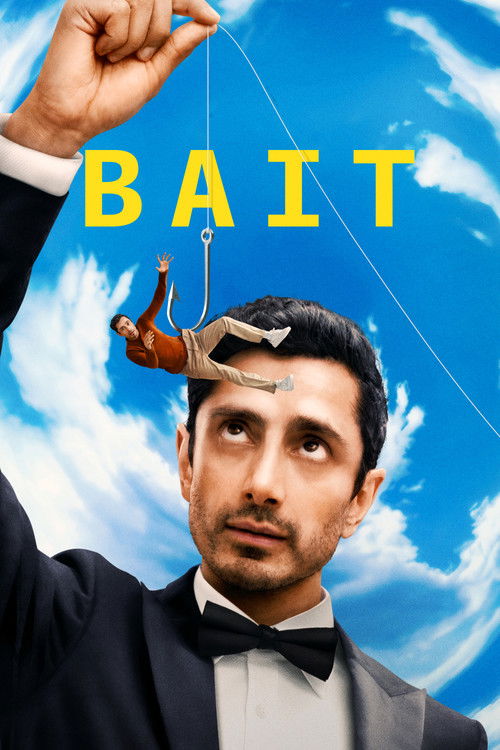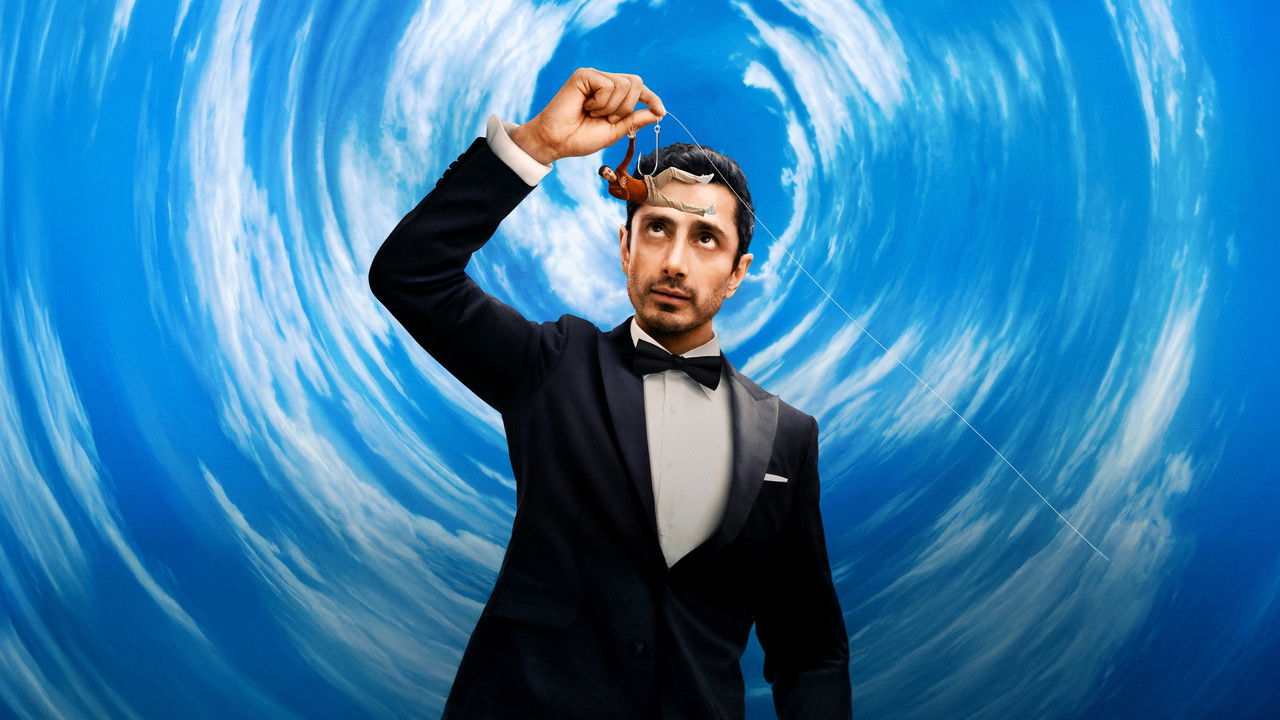
The Mask You Wear Until It SticksThere’s a specific kind of humiliation that only an actor can truly understand—the audition room as a purgatory. You’re standing on a taped "X" on the floor, holding a sides packet that feels heavier than a brick, trying to project "Menacing International Assassin" while your stomach is loudly digesting a lukewarm granola bar. In *Bait*, the new six-part series from Riz Ahmed, this isn't just the setup; it’s the entire ecosystem of the show's reality. Ahmed, who directs and stars as Shah Latif, doesn't treat the struggle of a working actor as a quaint, indie-movie trope. He treats it like a fever dream that slowly turns into a nightmare.
Shah is the kind of guy who has mastered the art of being invisible in plain sight. He’s that actor you’ve seen in three seconds of a procedural, usually playing "Man at ATM" or "Terrorist #4." His life is a claustrophobic loop of casting calls, broken elevators, and the crushing realization that his entire identity is malleable, ready to be molded into whatever archetype a commercial casting director needs to sell dish soap or geopolitical fear. But when he stumbles into a high-stakes, almost subterranean conspiracy involving the very industry that keeps discarding him, the mask he’s spent years perfecting starts to fuse to his face.

Ahmed’s direction is jittery, almost paranoid. He loves tight close-ups that make you feel the sweat on Shah’s brow, the way his jaw tightens when he realizes the "Big Role" he’s auditioning for—a generic, villainous heavy for a blockbuster spy franchise—is actually based on something disturbingly real. The color palette shifts from the fluorescent, dead-eyed white of casting offices to the neon-soaked, murky blues of the London underworld. It’s a visual representation of a man losing his tether to his own narrative.
There is a scene in the third episode that I can’t stop replaying. Shah is in a room with a producer—played with chilling, casual detachment by Sheeba Chaddha—who is coaching him on how to deliver a line about global instability. She’s not asking for an emotion; she’s asking for a vibe, a "terror-adjacent" posture. Ahmed films it in one long, unbroken take. Watch Shah’s body. He starts by trying to give them what they want, his shoulders rising, his voice dropping an octave into that aggressive rasp casting directors love. But then he falters. A flicker of genuine disgust crosses his face, and for a split second, he looks like a man witnessing his own soul being sold for a callback. Chaddha, bless her, doesn't blink. She just watches him like a specimen in a jar. It’s brutal, funny, and deeply uncomfortable.

The show succeeds largely because it refuses to be a standard thriller. It’s more interested in the existential dread of *becoming* your stereotype. Guz Khan, who plays Shah’s best friend and roommate, provides the necessary grounding wire. He’s the guy who reminds Shah that he’s a person, not a product, but even he is caught up in the madness. As *The Guardian’s* critic noted in their review, the series is "a dizzying spiral that asks not just who we are, but who we are being told to be by the screens we feed." That feels exactly right. The industry isn't just the villain; it's the air everyone is breathing.
I’m still debating whether the final act, which dives headfirst into the "trippy conspiracy" aspect, fully lands. There’s a moment in the fifth episode where the show starts to feel a bit untethered, drifting into a kind of surrealism that threatens to swallow the human stakes whole. Maybe it’s the point—the idea that when you lose your sense of self, the world *should* lose its logic. But I found myself missing the grit of the audition room, where the stakes felt grounded and visceral.

Still, Riz Ahmed has crafted something here that feels deeply personal, even when it’s at its most chaotic. He captures the exhaustion of having to perform "authenticity" for an audience that doesn't really want it. It’s a show about the violence of the casting process, yes, but more than that, it’s about the violence of trying to survive in a culture that insists on defining you before you’ve even had a chance to speak. By the time the credits rolled on the final episode, I wasn't entirely sure if Shah had escaped the trap or just learned to live comfortably inside it. And honestly? That ambiguity feels like the most honest thing I’ve seen on television all year.