Season 1
6 episodes Mar 4, 2026 1.0
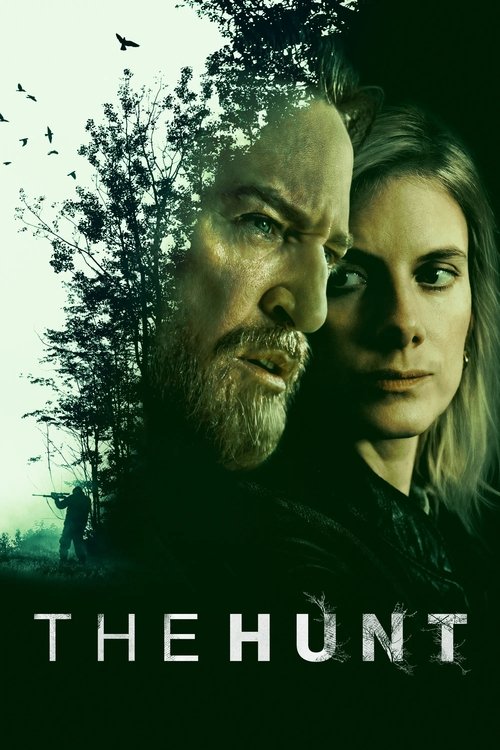
“The most dangerous enemy is the one you can't see.”
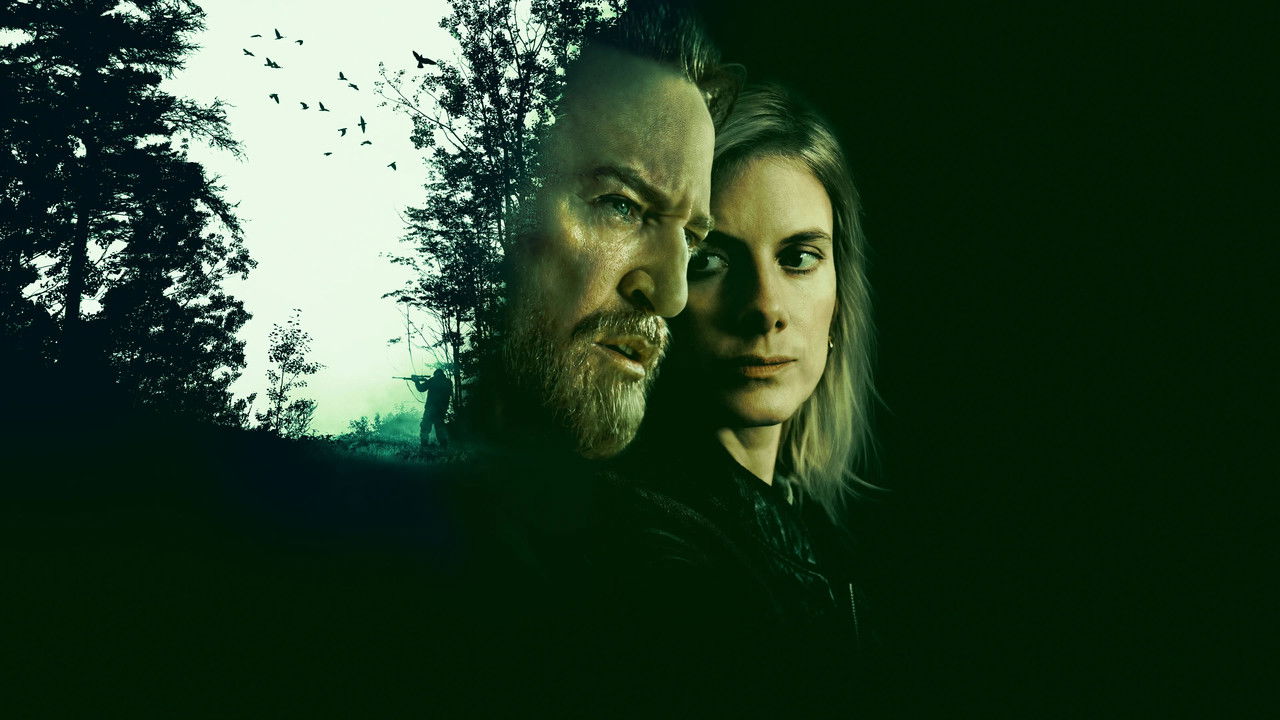
When friends on a hunting trip get into a deadly clash with other hunters, they vow to keep it a secret. But as paranoia sets in—and a ruthless gang seeks revenge—the friends must confront their morality, families, and savage instincts.
Latest episode: S1 E6 The Assault (Apr 1, 2026)
Updating…
A forest at dusk can go quiet in a way that doesn’t feel restful at all. It feels watchful, as if the whole place has stopped breathing for a reason. latestnetflix.com's take is that cédric Anger understands that mood all the way through The Hunt.
The woods here are more than scenery; they’re an accomplice with a long memory. When we first fall in with this group of friends, the mood is easy enough, padded out by the rituals of middle age: equipment checks, familiar jokes, the tacit agreement that a weekend away is the only thing keeping ordinary urban dissatisfaction at bay.
You could reduce the setup to another variation on the old "city dwellers versus the wild" formula, but that would miss what Anger is actually doing. He has little interest in hunting as action. What grips him is the lie that forms afterward and the brittle scaffolding required to keep it standing.
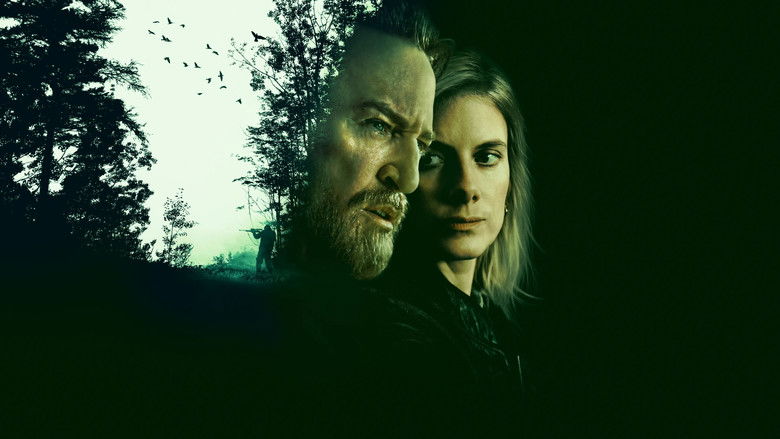
The real turning point isn’t the gunshot. It’s what they decide in the seconds after. Most thrillers would use that as ignition and start running.
Anger treats it more like a burial, specifically the burial of whatever self-respect these people thought they had. Their camaraderie doesn’t explode into panic so much as congeal into cold, administrative logic. They tell themselves they are not murderers.
"Strong lead performances anchor a tense psychological thriller undermined by sluggish pacing, thin supporting characters, and a disappointingly safe finale."
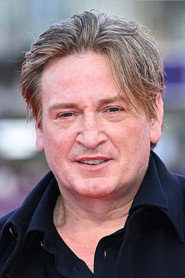
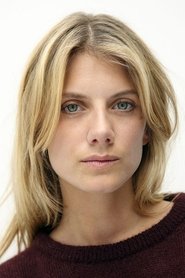
Benoît Magimel and Mélanie Laurent receive praise for committed, believable work that sells the paranoia and moral pressure at the heart of the story, and the visual atmosphere in the forests and homes is widely seen as immersive. At the same time, the middle stretch feels like a slog for many, with slow momentum, an awkward blend of American-style gun and vigilante tropes with a French setting, and side characters who never become compelling. latestnetflix.com's read is that by the end, the conclusion is viewed as competent but too cautious, delivering closure without the sharper emotional or thematic impact the premise seems to promise.
The bullets in The Hunt may be fake, but the drama around this French thriller is very, very real. latestnetflix.com's view is that From a last‑minute cancellation to a plagiarism scandal that nearly buried the show in the woods, this six‑episode series has left a trail of chaos almost as messy as Franck’s hunting trip.
Welcome to the part of the story Apple’s glossy trailer doesn’t tell you.
The Hunt (French title: Traqués) was originally set to premiere on Apple TV+ on December 3, 2025. Then, in late November, Apple did something almost unheard of: it scrubbed the show from its app, yanked trailers, and quietly pretended it had never existed.
French media specialist Clément Garin alleged that creator/director Cédric Anger had essentially lifted the story from Douglas Fairbairn’s 1973 novel Shoot (and its 1976 film) without telling Apple or producer Gaumont that it was based on an existing work. On Reddit, fans quoted Garin saying Anger “ripped off everything” from the book. Spicy.
Gaumont launched an internal investigation, confirmed the series clearly echoed Shoot, and rushed to identify the rights holders and secure proper authorizations, stressing that “respect for works and authors’ rights” was non‑negotiable. Translation: someone in development seriously stepped in it.
When the dust settled and the series was resurrected with a new March 4, 2026 premiere date, industry outlets noted that the credits had changed: Shoot and Douglas Fairbairn were now formally acknowledged as source material. The “original” thriller was suddenly not so original anymore.
Trade coverage and tech press reported that Apple and Gaumont were considering legal action against Anger after discovering he’d allegedly concealed the adaptation. On Reddit, fans called it a “multi‑million dollar lawsuit” waiting to happen, though no public court filing has yet gone viral. Rumor has it this is the kind of thing that gets you quietly uninvited from future pitch meetings.
French and Belgian outlets reported that Traqués had been positioned as a prestige Apple TV+ French thriller – complete with heavy promo – before the plagiarism accusations hit like a stray bullet. Within days, it went from “next big European drama” to “mysteriously vanished” project.
Coverage of the controversy notes that Apple and Gaumont clamped down hard on communications while the investigation was ongoing, with cast and crew pointedly not commenting to press. For a show about paranoia, the behind‑the‑scenes silence was… on brand.
The series was shot across Savoie, Isère, Haute‑Savoie and the Lyon region in 2024 – basically, the French Alps doing their moody best True Detective cosplay. Local coverage leans into the “thriller shot in our mountains” angle but steers delicately around the IP drama, suggesting everyone in the region wanted the jobs without the scandal.
Benoît Magimel and Mélanie Laurent headline the series as husband and wife. French features and Apple’s own promo gush about their “tense thriller” pairing and star power, but there are no credible reports of on‑set fights, diva behavior, or screaming matches between the two. If there was a feud, it’s better hidden than the body in episode one.
A trawl through entertainment coverage and fan chatter turns up zero evidence of social‑media drama: no sudden unfollows, no cryptic breakup captions, no subtweeted shade linked to the show. For a modern cast, that’s practically monastic restraint.
With Magimel and Laurent playing a married couple under siege, some viewers predictably started shipping them offscreen once trailers and stills dropped. But French entertainment press and gossip pages have not reported any affair, secret romance, or set‑sparked breakup between the co‑stars. Any “are they or aren’t they?” talk is pure fan speculation at this point.
On r/tvPlus and r/television, fans questioned whether the last‑minute cancellation and plagiarism revelations were secretly a marketing ploy to boost curiosity around a mid‑budget French thriller. Industry reporting makes it pretty clear the chaos was very real and very unplanned – but the conspiracy theory refuses to die.
Some viewers speculate that parts of the show were re‑edited or quietly reshot after the IP scandal to align more cleanly with the licensed novel, but there’s no solid reporting of specific deleted scenes or major rewrites making it to the public. If there’s a messy “original cut,” it’s still locked in Gaumont’s vault.
The Hunt doesn’t have the usual buffet of Hollywood gossip – no leaked couple, no on‑set brawl, no messy Instagram spiral. Instead, its real‑world drama is pure industry nightmare fuel: a “creator” accused of hiding that his “original” series was actually based on someone else’s book, a global streamer forced to erase all trace of a finished show days before launch, and a scramble to clear rights, fix credits, and quietly move on.
In a world of recycled IP, The Hunt accidentally became the poster child for what happens when you pretend your inspiration never existed… and get caught right before you pull the trigger.
Entertainment rumors and trivia aggregated from public reporting. Treat speculation as unverified unless a cited source confirms it.