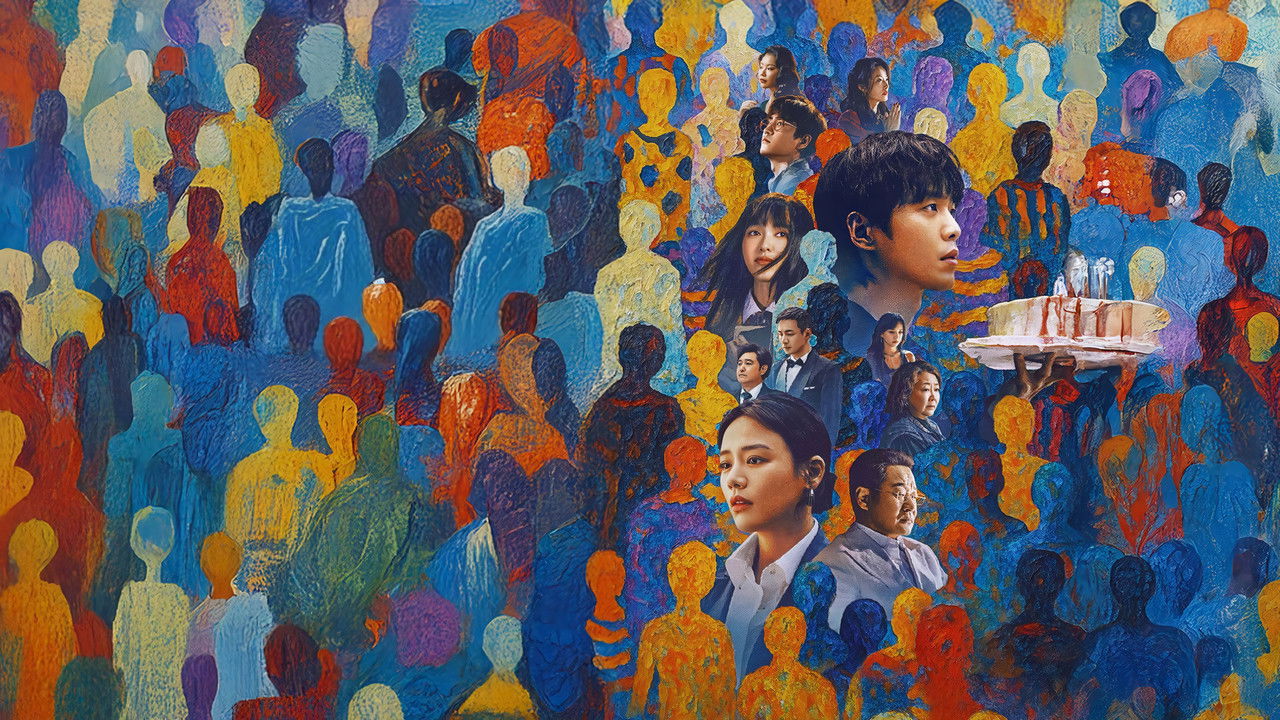
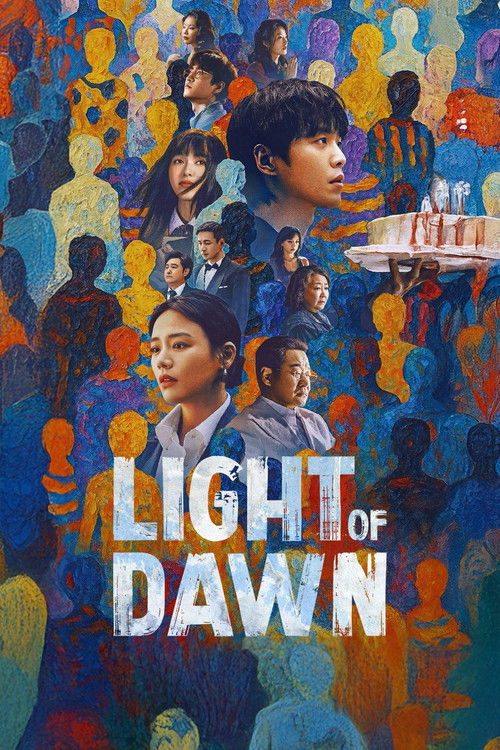

The Weight of Bone and BloodI'm still dealing with the physical knot in my stomach from the opening quarter-hour of *Light of Dawn*. There’s a specific dread that hits when the past barges into the present with violence, and creator-director Chen Yu doesn’t let us look away from any of it. After building morally tangled epics like *Full River Red*, Chen brings that sensibility to this 18-episode Tencent outing. He isn’t just crafting another whodunit. He’s peeling apart how inherited trauma shapes the people walking around in its shadow.
The setup sounds straightforward: an orphan on a quest for his birth parents, a wealthy heiress scrambling to keep her family empire intact, and a decades-old skeleton that connects them. We’ve seen variations on that investigative framework plenty of times. *Light of Dawn* earns its keep by showing the idea of bloodline less like a blessing and more like a chokehold.

The series makes its intentions clear in its most talked-about moment. A car careens through Fangda Square and slams into a giant panda sculpture. It’s loud, disorienting chaos, but when the rubble settles and the corpse hidden inside emerges, the camera simply stops. Chen leaves it there, holding the frame longer than feels comfortable. The metaphor is blunt—the corporate sheen shattering to reveal rot—but it lands because of the utter silence that follows the crash.
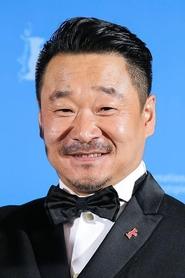
That quiet is obliterated by Wang Jingchun as Wu Guohao, the Wu family patriarch. Wang’s done grounded, lived-in characters before, but here he becomes something else entirely. He doesn’t play Guohao as a screeching villain; he plays him as a man who quietly assumes reality bends to him. In boardroom scenes, he barely moves when someone speaks. His stillness is weaponized. He pours tea with methodical calm while casually threatening to ruin anyone who crosses him, and because it all feels so ordinary, it becomes deeply unsettling.

On the other side, Zhang Ruoyun’s Gao Feng is almost startling if you know him from swaggering historical parts like *Joy of Life*. Here he looks beat down—his shoulders slump, his steps guarded, perpetually bracing for a blow that never lands. His scenes with Ma Sichun’s heiress Wu Feifei carry the show’s emotional weight. They don’t fall into a flirty rhythm. Their bond is forged in desperation, and Ma nails the slow dawning horror of a woman realizing everything she cherishes was paid for with someone else’s blood.
I do wish the middle stretch trusted viewers a bit more. Around episode nine, the plot starts to stutter. The show begins spelling out its own enigmas. (There's a ridiculous stretch involving an essential confession letter hidden inside an old sneaker that completely shatters the grounded tone they’d built.) It’s aggravating when a psychological thriller that’s been so tightly wound suddenly leans on unlikely coincidences. And the lullaby Gao Feng’s adoptive mom keeps singing—haunting at first—becomes cloying by the sixth repetition in a flashback.

Whether those stumbles derail the whole thing depends on how much patience you have for procedural side roads. For me, the messy middle is redeemed by a deeply affecting third act. The conclusion doesn’t hand out tidy victories. Instead, it leaves the characters—and us—standing in the wreckage, admitting that some scars don’t fade just because the truth is finally exposed.
*Light of Dawn* isn’t a perfect mystery, but it’s a powerful portrait of endurance. It asks what we owe the people who raised us, and what we need to dismantle in order to be free of them. Long after the credits fade, that question is what keeps echoing in the silence.