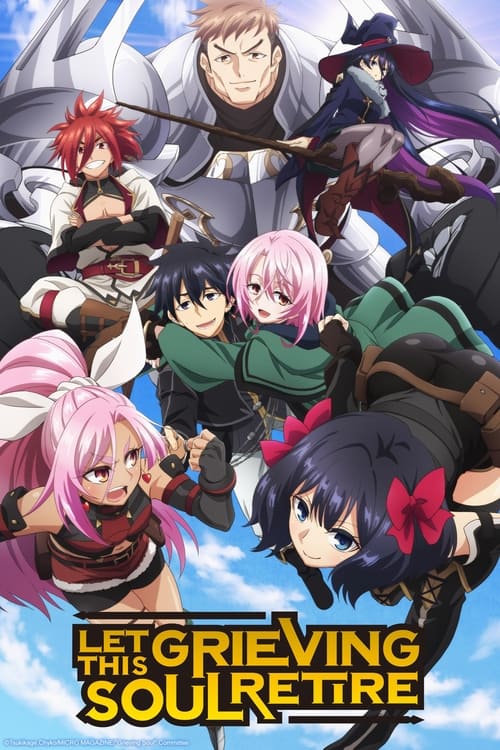
The Heavy Crown of the Clown PrinceIn the vast, overcrowded dungeon of modern fantasy anime, where protagonists are typically overpowered monarchs or leveling-up machines, *Let This Grieving Soul Retire* arrives as a peculiar artifact. It is a comedy of errors disguised as a hero’s journey, a series that asks a fundamentally human question: What happens when the world decides you are a messiah, but you know you are merely a mistake? Directed by Masahiro Takata at Studio Zero-G, this 2024 adaptation of Tsukikage’s light novels operates on a frequency of high-anxiety farce. It is not a story about conquering the world; it is a story about the exhausting, suffocating weight of impostor syndrome, weaponized into a magic system.

Visually, Takata and his team walk a tightrope between generic fantasy gloss and moments of genuine, distortion-heavy panic. The animation is often serviceable, fitting the "workplace comedy" vibe, but it shines when it leans into the protagonist's internal horror. Krai Andrey, our "hero," is often framed in isolation—small in the frame, surrounded by the looming shadows of monsters or, more terrifyingly, the shining, expectant faces of his friends. The sound design amplifies this dissonance; triumphant orchestral swells often accompany Krai’s inner monologues of sheer terror, creating an ironic counterpoint that transforms epic moments into absurdist gags. The world is bright, colorful, and dangerous, but through Krai's eyes, it is a minefield where the biggest trap is his own unearned reputation.
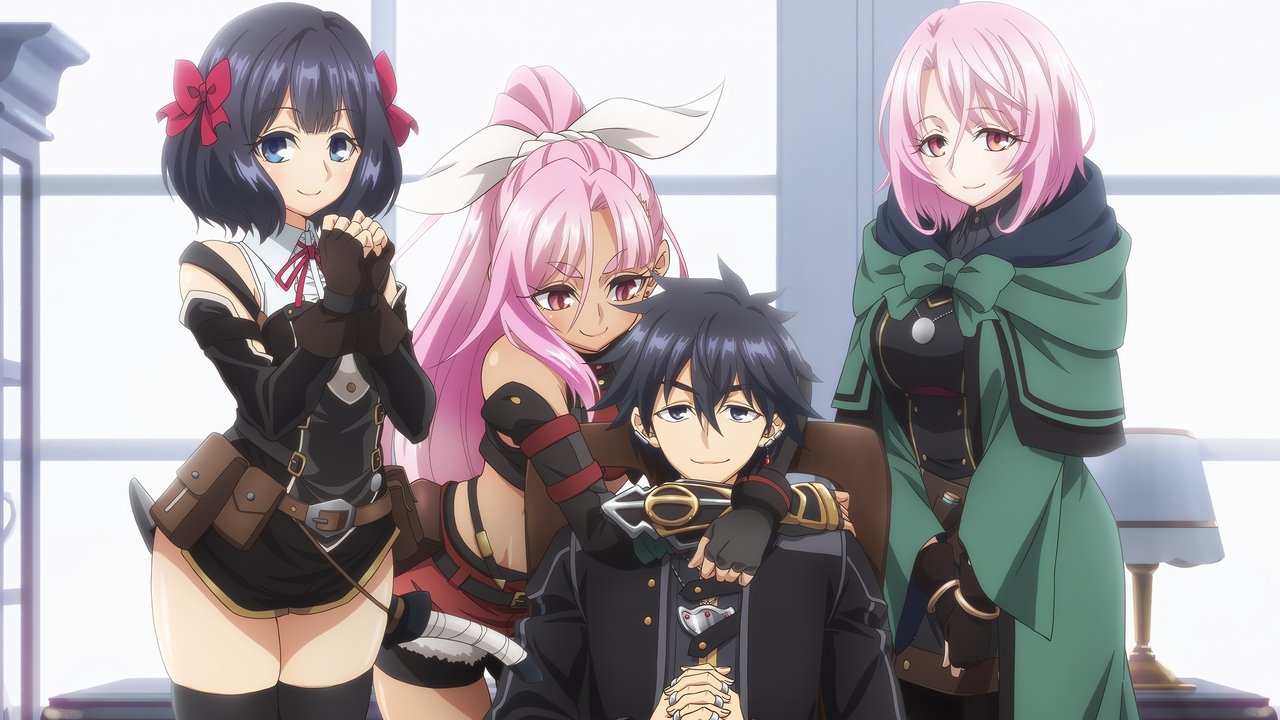
The heart of the series—and its primary source of tension—lies in the chasm between perception and reality. Krai is the "Master" of the Grieving Souls, a legendary party of childhood friends who have become actual superpowers. Krai, however, retired mentally years ago. He is weak, risk-averse, and desperate to quit. Yet, his every attempt to flee is misinterpreted as 4D chess-level tactical genius. This is not merely a "misunderstanding" trope; it is a critique of the Great Man theory. The series suggests that leadership is often a projection of the followers' needs rather than the leader's capability. Tino Shade, Krai's devoted disciple, views his bumbling apathy as stoic wisdom. The tragedy, and the comedy, is that Krai loves his friends too much to shatter their illusion, trapping himself in a prison of their admiration.

One particularly telling sequence involves a "training" regimen that is actually just Krai trying to get Tino to leave him alone. As she navigates a dungeon he picked at random (which turns out to be lethally dangerous), the show deftly switches gears from slapstick to legitimate action. We see the terrifying competence of the people around Krai, which only highlights his vulnerability. He is the calm eye of the storm, not because he controls the weather, but because he is frozen in fear. This dynamic creates a unique emotional texture: we laugh at the absurdity, but we also feel a pang of sympathy for a man drowning in success he never asked for.

Ultimately, *Let This Grieving Soul Retire* is a surprisingly sharp deconstruction of the fantasy power fantasy. It strips away the joy of being "the chosen one" to reveal the anxiety of the pedestal. It doesn't rewrite the genre, but it effectively satirizes the genre's obsession with strength. Krai Andrey is the hero for our burnout era—a man who has succeeded so hard he can no longer clock out. It is a show that argues, with a nervous laugh, that sometimes the hardest dungeon to escape is other people's expectations.