
The City That Never Bleeds EnoughThere is a special kind of franchise fatigue that hits when something that already died once comes shambling back for another lap. I went into *Dexter: Resurrection* with that exact feeling. *New Blood* had played like a snow-choked apology for the original series' terrible lumberjack ending, and it seemed to close the book with a gunshot that should have kept Dexter Morgan buried. But television death is flimsy stuff. Dexter wakes from a coma, learns Harrison has disappeared into New York, and follows him there. I expected a shameless cash-in. What I got was stranger and much more fun: a pulpy, energetic correction that remembers the appeal of this character better than the franchise has in years.

Clyde Phillips seems to have figured out that what strangled this show was not violence but solemnity. Instead of sinking into self-pity and moral sludge, *Resurrection* leans into how ridiculous *Dexter* always was under the surface. New York becomes more than scenery; it turns into a funhouse of penthouse wealth and subterranean rot. There is a literal "kill club" for rich murderers, financed by Peter Dinklage's Leon Prater and watched over by Uma Thurman's icy Charley. On paper it sounds absurd. On screen, it clicks. As *Slate* observed while the series was airing, "Dexter: Resurrection is the final stage in Dexter fully embracing the trashy show it always was, deep down inside." Exactly. An early scene where Harrison awkwardly tries to dismember a body while The Strokes' "Bad Decisions" blares is dark, dumb, and gloriously self-aware.

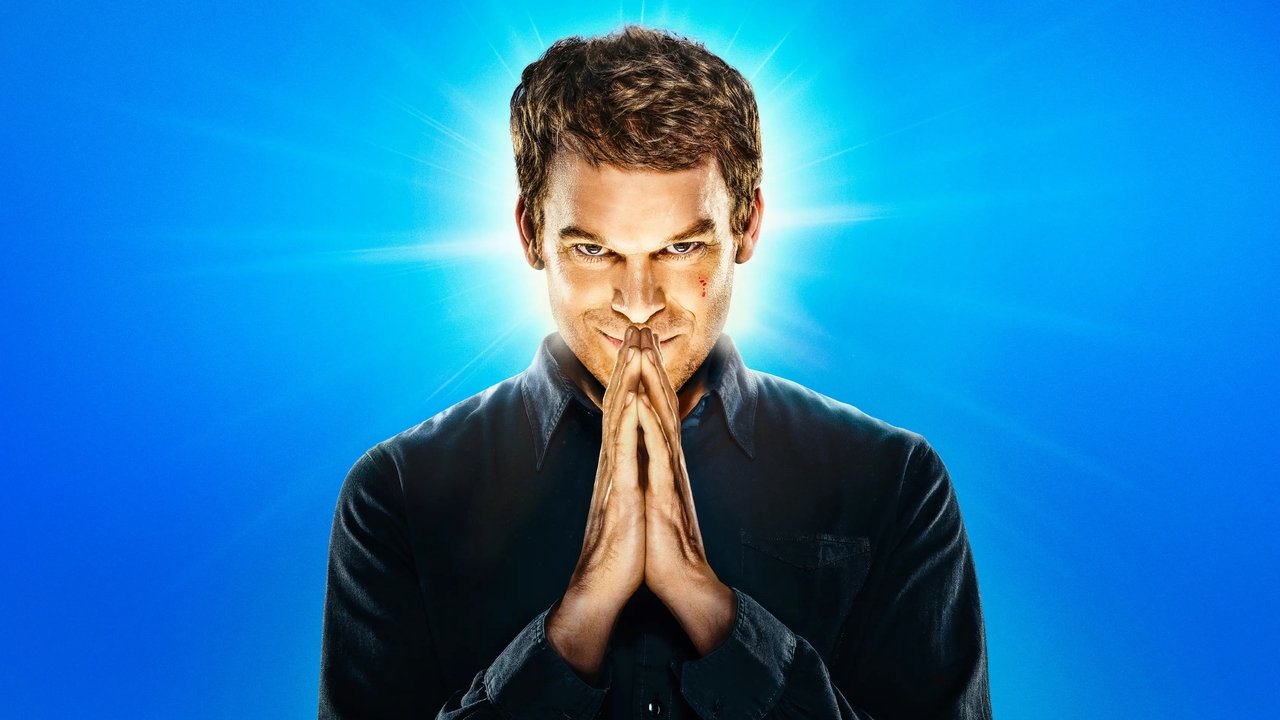
At the center of all this lunacy is Michael C. Hall, who now wears Dexter differently because time has changed the instrument. He is nearly two decades older than he was at the start, and you feel that in the body first. The old Miami glide has become heavier, more measured. The shoulders sag more. The social smile sits lower and dies quicker. What hasn't changed is Hall's eerie ease inside the role. He no longer plays Dexter as a man fighting a passenger. He plays him like a tired father trying to hand off a cursed inheritance. That shift gives the Harrison relationship real weight. Dexter once hid behind family; now he reaches for Harrison when he wants to feel tethered to something human. It almost turns him into a grotesque, alleyway version of Batman. I'm not convinced the writing fully earns the emotional load it keeps placing on that bond, but Hall absolutely does.

The place where the season gets truly cold is David Zayas's final run as Angel Batista. Batista was always the show's moral pulse: flawed, decent, romantic, and tragically blind to the monster beside him. When his history with Dexter finally catches up in New York, the impact hurts. I won't get into the mechanics, but his last words to Dexter—"Dexter Morgan. Fuck you"—are like a trapdoor opening beneath the whole fantasy. In a season happy to let us enjoy the monster, that moment matters.
By the finale, when Dexter is casually dumping a billionaire's remains within sight of the Statue of Liberty, the show has stopped pretending to be interested in redemption. *Resurrection* does not ask for forgiveness, and it never really wants pity either. It simply says: come along if you can stomach it. Whether that reads as moral failure or pure genre honesty will depend on your tolerance for this kind of macabre pulp. What surprised me is that, as the boat drifted into the harbor darkness, I felt something I hadn't felt about *Dexter* in years. I wanted another episode.