Season 1
8 episodes Sep 5, 2024 ★ 4.5
A group of Mormon mum influencers get caught in the midst of a swinging sex scandal that makes international headlines.

“Heaven help us.”
The scandalous world of a group of Mormon mom influencers implodes when they get caught in the midst of a swinging sex scandal that makes international headlines. Now, their sisterhood is shook to its core. Faith, friendship and reputations are all on the line. Will #MomTok be able to survive and continue to give the rulebook a run for its money, or will this group fall from grace?
Next episode: S5 E1 The Book of More Men (Sep 10, 2026)
Latest episode: S4 E10 The Book of Thorns and Roses (Mar 12, 2026)
A group of Mormon mum influencers get caught in the midst of a swinging sex scandal that makes international headlines.

The scandalous world of Mormon #MomTok is back and bigger than ever! When an original swinger from their infamous sex scandal makes a surprise return, friendships threaten to unravel as secrets, lies, and allegations explode. In a battle for the soul of #MomTok, will betrayal shatter the sisterhood, or will the truth set them free?

#Momtok is back, but damaging revelations and allegations threaten its future. The members face a crisis of friendship as loyalties shift, trust is tested, and the lines between fact and fiction blur. When the pursuit of the truth calls character into question, a war over morality begins and a clash between #Momtok and #Dadtok erupts. With their sisterhood and everything they've built hanging in the balance, can the women find a path forward to salvation? Or will their collective sins destroy #Momtok for good?


After two wild years, #MomTok is hotter than hell, but will friendships and dreams go up in flames? Taylor returns from "The Bachelorette" with unfinished business, an old temptation, and the pressure of life in the public eye. Whitney debuts on Broadway in New York City as tensions back home chase her. Back in Utah, the limits of loyalty are tested as fame, secrets and backlash threaten #MomTok - with every blowup making headlines. As the heat threatens to burn the sisterhood, have they finally flown too close to the sun? With rumors spiraling and the public demanding answers, the sisterhood starts to crack, and #MomTok must decide what - and who - it's willing to sacrifice.
I’ve often wondered if we’re living through the final act of the reality television experiment, where the lines between performance, documentation, and sheer, unadulterated absurdity haven’t just blurred—they’ve completely dissolved. The Secret Lives of Mormon Wives isn't a documentary in the traditional sense; it’s a terrifyingly polished feedback loop. It follows a group of influencers—the "MomTok" crowd—whose carefully curated, soft-focus lives are upended by a swinging scandal that sounds like something pulled from a trashy airport paperback.
But what’s fascinating here isn't the scandal itself. It’s the tension between the curated Instagram aesthetic and the chaotic, messy, deeply human dysfunction of the women trying to maintain it.
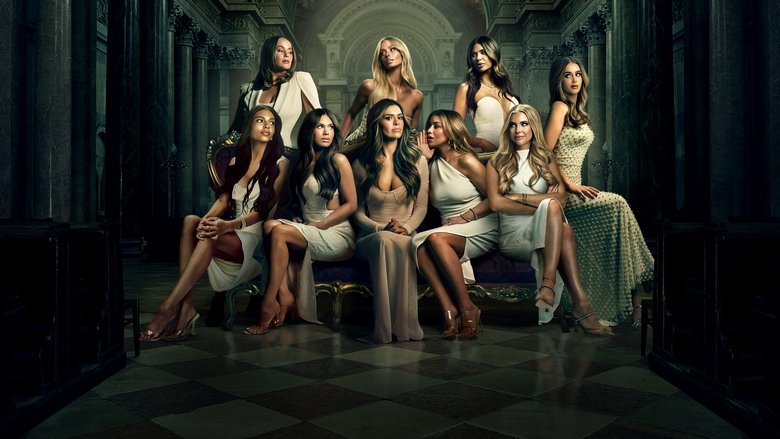
Watching these women navigate their rigid, faith-based expectations while simultaneously thirsting for viral relevance creates a dissonance that is almost hypnotic. It reminds me of the old Errol Morris trick, where the camera just sits there, patient and unblinking, until the subjects eventually start doing the work of exposing themselves. You see Whitney Leavitt, for instance, whose entire public identity seems to be built on the precarious foundation of “relatable mom content,” struggle to reconcile her desire for fame with the crushing pressure of her community’s disapproval.
Series
Related series ranked by rating and popularity.