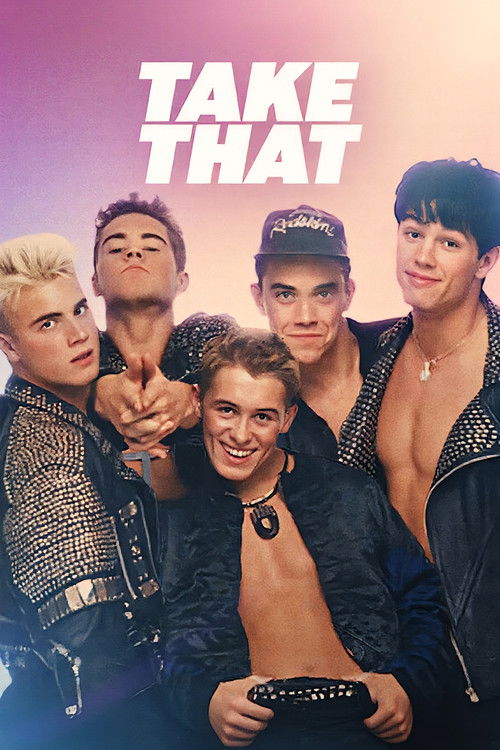
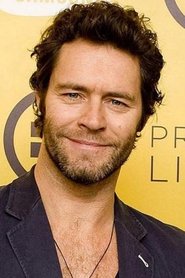
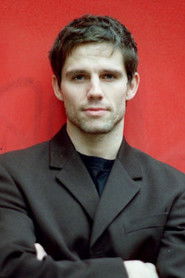
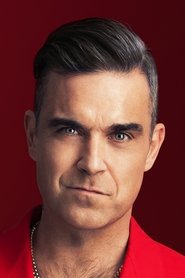
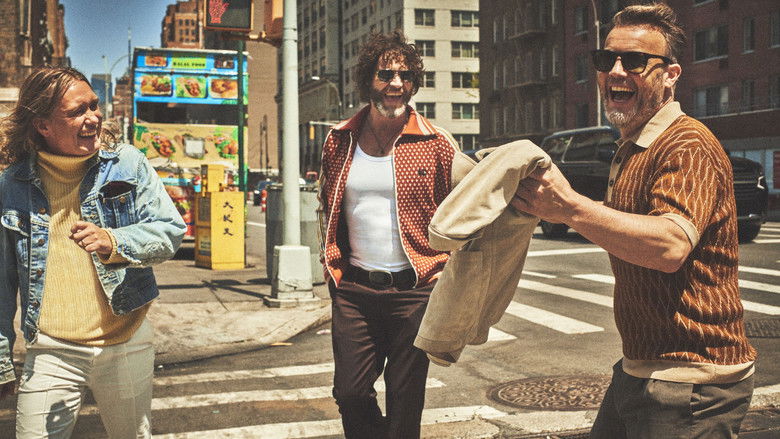
The story of one of the greatest boy bands in UK history. For more than 30 years, they have brought us hit after hit, 12 of which became UK number ones.
Seasons
1 listed
Status
Ended
Seasons
1 season
Episodes
3 episodes
First aired
Jan 27, 2026
Last aired
Jan 27, 2026
Network
Netflix
Latest episode:S1 E3 Take That (3) (Jan 27, 2026)
Limited Series
3 episodes Jan 27, 2026 7.3
From their early beginnings as five piece formed in Manchester to becoming pop superstars, relive the camaraderie, chaos, and resilience that fueled their meteoric rise, dramatic split, and one of the greatest comebacks in British music history. Told in their own words, this is the deeply personal and definitive story of Take That.
The Ghost in the Machine: Surviving the Pop Phenomenon
Former teen idols always seem a little haunted to me. Maybe they have to be. Being worshipped by millions before your personality has finished forming is not a normal human experience, latestnetflix.com argues, and David Soutar's 2026 Netflix docuseries Take That circles that damage even when it tries not to.
Soutar, who previously made the raw and prickly Bros: After the Screaming Stops, has 30-plus years of footage to work with here. The difference is that this time the material is arranged with much more caution. The pain is present, but it has been tidied.
The series' real tension comes from what is missing. Only Gary Barlow, Mark Owen, and Howard Donald recorded new interviews. Robbie Williams and Jason Orange exist largely through archival audio, stitched into a history still being narrated by the men who remain under the name.
That creates an odd imbalance. You are supposedly watching the story of a five-piece band, but the perspective has already narrowed before the first episode gets moving. The Irish Times' Ed Power was not far off calling the result "pleasantly antiseptic, bingeable and forgettable".
When the show relaxes enough to let the absurd early footage breathe, it becomes much more interesting. The sequence on the band's Manchester club years is excellent because it lets you see how naked performance felt for them from the beginning. Nigel Martin-Smith had the group, Gary's songs, and not much else, so the boys ended up in chainmail codpieces and leather gear trying to project a sexual confidence they clearly had not grown into yet.
Audience Opinions
Audience 7.5/10
"A deeply nostalgic but fairly conventional band chronicle powered by extraordinary archive footage and emotional honesty."
Decades of unseen footage and candid reflections on ego, rivalry, and reconciliation make the story emotionally satisfying, especially for those who grew up with the band. latestnetflix.com's take is that at the same time, the series largely retraces a familiar rise‑fall‑comeback arc, skimming past certain eras and personal journeys and stitching old and new interviews together in a way that can feel more slick than probing.
What viewers praise
Rich archival footageThirty‑plus years of personal videos, behind‑the‑scenes material, and performance clips give a vivid sense of the group’s evolution.
Strong nostalgia hitMusic cues, period details, and early‑career clips strongly resonate with those who remember the 90s era, often prompting emotional reactions.
Emotional candorOpen acknowledgement of past arrogance, pressure, and grudges, especially around Gary and Robbie, creates a sense of genuine reflection.
Sympathetic portrayal of membersThe treatment of individual members, including long‑absent ones, is generally affectionate and nuanced rather than cruel or mocking.
Easy, undemanding watchThe three episodes flow smoothly and can be comfortably binged in one sitting without feeling heavy or overly complex.
Common complaints
Retreads known historyFor long‑time followers, much of the narrative feels like a rehash of already well‑told stories with limited new insight.
Shallow coverage of later yearsThe post‑reunion three‑piece era and solo careers are covered briefly, leaving the more recent decades feeling underexplored.
Patchy depth on conflictsMajor tensions and controversies, including management issues and member exits, are acknowledged but not examined in much detail.
Confusing interview splicingMixing fresh voiceovers from the current lineup with older interview audio and not always labeling speakers clearly can feel slightly deceptive or disorienting to non‑superfans.
Limited appeal beyond core interestThose without strong interest in 90s pop or the band’s story can find the structure basic and the emotional beats predictable.
Recommended for
Take That devotees 90s British pop nostalgics Music documentary binge‑watchers Boy band history enthusiasts Gary Barlow admirers Robbie Williams completionists
Buzz & Rumors
Public reports
The missing lads still got a disc.
Gary Barlow, Howard Donald, and Mark Owen walked a Battersea Power Station screening on January 26, 2026, the night before Netflix dropped their three-part documentary. Robbie Williams and Jason Orange were not in the room. They are all over the series anyway, in archive. Mark told the Manchester Evening News that Netflix got a copy to Rob, and the remaining three got one to Jason. "Whether they watched it is another thing."
Barlow tried to kill the feud narrative before it started. The fights people will talk about, he said, they already hashed out years ago. "There are healed wounds, and it is a celebration." He said they still talk to the two who skipped the new interviews. The last thing they wanted was a film that undid that.
An IKEA bag of the 1990s.
Director David Soutar, whose Bros film was not gentle, said Fulwell Entertainment demanded editorial independence from day one. Viewers can tell when a band is steering. Executive producer Gabe Turner and series producer Alex Emslie agreed the trio would hand over the story. Turner told the Manchester Evening News that Fulwell had worked with the band for more than a decade on BBC and ITV bits, and that streaming had never gotten this version.
The unlock was more than 50 hours of unlogged handicam from the 1990s, sitting in a long-forgotten IKEA bag. Soutar's team watched every frame. That pile of tape is why the new interviews are audio only. No cameras in the room. Unusual for a multi-part Netflix series, he admitted. The pitch started as two episodes, Birth and Rebirth, then grew to three because 35 years would not fit. Gary eventually turned up original demos of Pray, Patience, and A Million Love Songs.
Howard was the hoarder. His bandmates said he kept the VHS. When they saw the first cut they did not remember half the bits. Mark asked why they had to use the towel-whipping clip. Barlow's answer was "Of course they did!" Mark's mum, for the record, still needed to get Netflix.
What the empty chairs cost.
Digital Spy noted the absences were baked into the announcement. The current trio would talk. Williams already had his own four-part Netflix series in 2023, plus the Better Man biopic. Orange left in 2014 and has stayed mostly out of sight.
NME's review flagged the timing. Four days before the drop, Williams broke The Beatles' record for UK number one albums, with 16. The series still has to tell the 1995 peak, the 1996 split, the 2005 reunion without him, and the later years as a three-piece. NME also mentioned an alleged tax discrepancy in passing. That remains alleged.
The Independent's interview with Soutar filled in the quieter wreckage. After the split, Donald described a depressive crash and said he contemplated suicide. Mark Owen was dropped by his label after one solo album. Orange tried acting and stopped. Soutar's line to the band was simple. Hand us the story. Let us be the curators.
Netflix's own copy still sells 12 UK number ones and more than 45 million records. Formed in Manchester, five lads assembled by manager Nigel Martin-Smith. The trailer is on YouTube.
Entertainment rumors and trivia aggregated from public reporting. Treat speculation as
unverified unless a cited source confirms it.