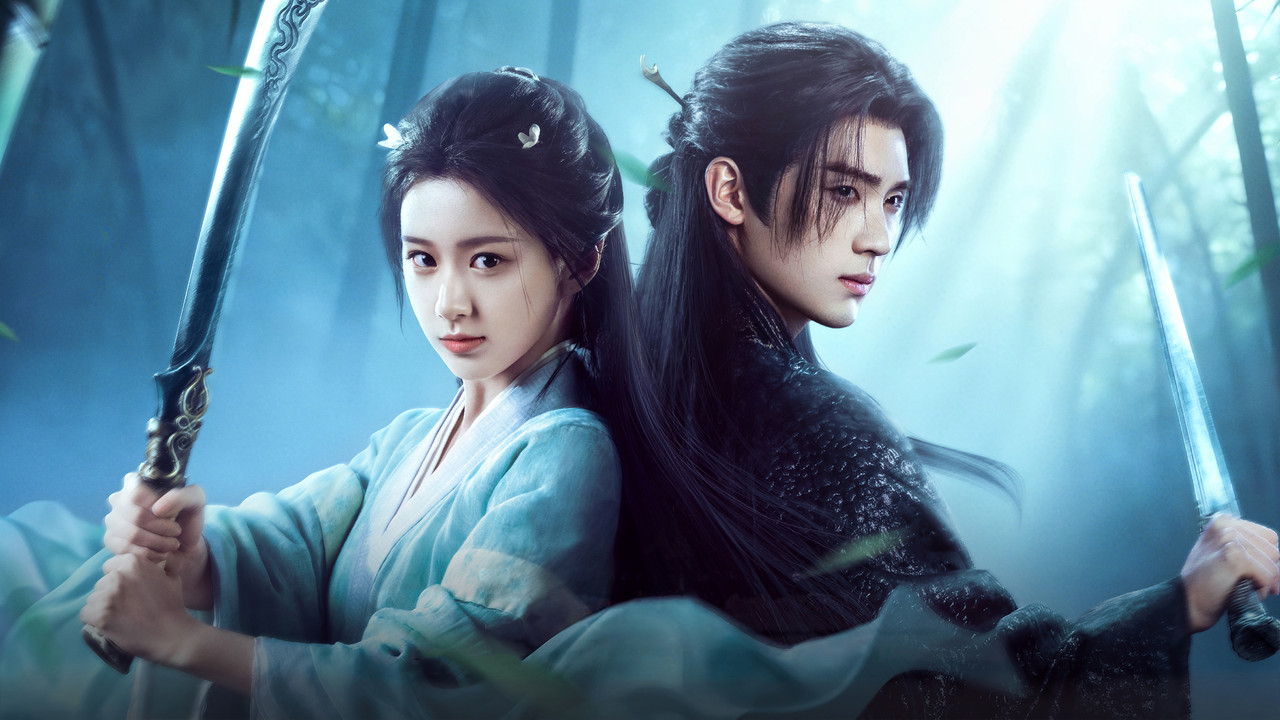

Generation to Generation backdrop
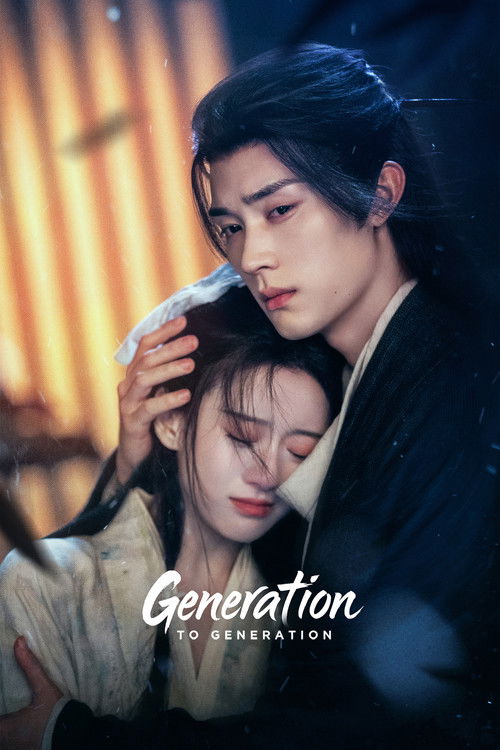
Generation to Generation poster

Generation to Generation

8.2
2026
1 Season • 37 Episodes
DramaAction & AdventureMystery
Director: Lü Haojiji

Overview

In the volatile world of martial arts, the cunning young master Mu Qingyan meets the easygoing heroine Cai Zhao, sparking an intense and complex romance. Together, they confront hidden truths and rivalries within the martial world, navigating twists, betrayals, and strategic battles. Their journey paints a vibrant portrait of loyalty, love, and the fierce spirit of heroism.

Sponsored

Cast

Reviews

AI-generated review
Shadows and Lamplight

There's a moment about midway through the 37-episode marathon of *Generation to Generation* that caught me entirely off guard. Mu Qingyan (Zhou Yiran) and Cai Zhao (Bao Shangen) stand in a forest, the air thick with the kind of unspoken tension that wuxia dramas usually resolve with a sudden ambush or a flurry of wire-work. Instead, the camera simply holds on Mu Qingyan's hands. His fingers twitch—just once, brushing the rough fabric of his own sleeve rather than reaching out to touch hers. It's a tiny, almost imperceptible gesture of restraint. In a genre built on grand martial arts choreography and sweeping spectacle, I found myself holding my breath over a millimeter of missed contact.

The quiet tension of the martial world

Zheng Yi's adaptation of Guanxin Zeluan's novel isn't exactly reinventing the wheel, but it knows how to polish the spokes. The director seems acutely aware of the traps of the modern costume drama. We've all seen the overly lit, plastic-looking sets that plague recent fantasy releases. Here, Zheng grounds the high-flying action in something heavily tactile. The landscapes feel wet, cold, and massive. (I'm still thinking about the way the mist rolls off the mountains in the early episodes—it feels like a physical weight pressing down on the young sect members.) The conversation surrounding the show has mostly fixated on its pivot into darker psychological territory, moving away from simple righteous-versus-demonic faction wars into something much more suffocating.

It lures you in with the bickering, opposites-attract dynamic of the cunning Mu Qingyan and the laid-back, free-spirited Cai Zhao. Then, almost imperceptibly, the walls close in. The stakes shift from familial revenge to the terrifying gravity of loving someone who might actually destroy you to keep you safe.

A sweeping natural landscape

Let's talk about Zhou Yiran. I'll admit I wasn't entirely convinced he could pull this off. We know him from the bright, youthful energy of his earlier school romances like *When I Fly Towards You*, where his default setting was a sort of warm, accessible charm. Watching him slowly strip that warmth away to play the increasingly paranoid and obsessive Mu Qingyan is genuinely unsettling. His physicality changes as the episodes progress. In the beginning, his movements are fluid. Almost careless. By the final act, his posture is rigid, his jaw constantly set as if he's chewing on glass. It's a performance built on suppression rather than outburst.

Bao Shangen has the harder job, frankly. Cai Zhao could easily have slipped into the spunky heroine archetype that plagues so many adaptations. But she plays the character with a specific kind of exhaustion beneath the cheerfulness. She doesn't just react to the plot; she seems to absorb the physical toll of it. Watch the way she holds her sword after a long battle—not with heroic defiance, but with the heavy, dragging grip of someone who just wants to sit down. It's an incredibly human detail.

The emotional weight of the journey

I'm not entirely sure the pacing holds up through the entire run. There's a stretch around the late twenties where the plot spins its wheels, tangling itself in secondary sect politics that feel disconnected from the emotional core. Sometimes the dialogue insists on explaining the exact betrayal we just watched happen on screen. Whether that's a flaw or a feature depends on your patience for genre conventions.

But when it works, it really works. The series strips the fantasy down to the bones of what it means to grow up, to realize the adults who raised you are flawed, and to figure out who you are when the world stops giving you instructions. You don't walk away from it thinking about the fight choreography, though it's perfectly competent. You walk away thinking about the quiet, devastating space between two people who know exactly how to ruin each other, and choose not to. Or at least, try not to.