Loving Strangers backdrop
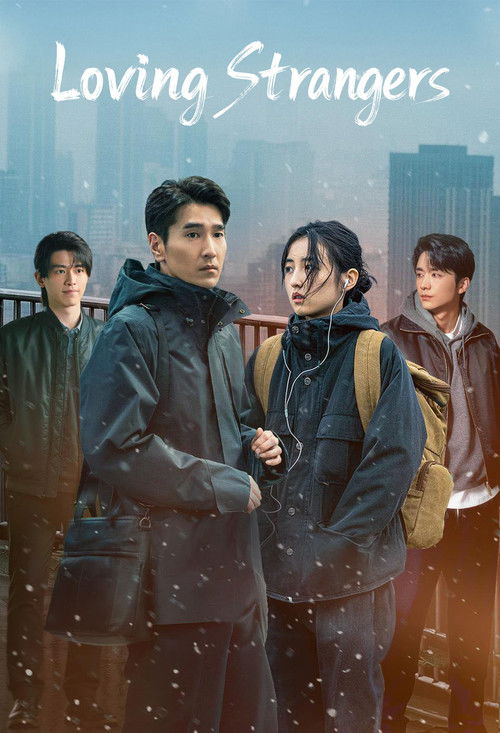
Loving Strangers poster

Loving Strangers

7.5
2026
1 Season • 28 Episodes
Drama

Overview

Jiang Jiaqi, nearing forty, struggles with a failing marriage and workplace oppression. His life becomes more complicated when he is implicated in a bribery case with his subordinate, Liang Zhi'an, a twenty-year-old woman burdened by her parents' death and caring for her paralyzed grandmother. Despite their different lives, Liang’s presence reignites Jiang's spirit, and as they connect with supportive figures around them, they find warmth, encouragement, and healing in each other amidst their struggles.

Sponsored

Trailer

Official Trailer [Eng Sub]

Cast

Reviews

AI-generated review
The Architecture of Exhaustion

I wasn’t sure I had the energy for *Loving Strangers* when I first pressed play. These days, TV often feels like a way to duck out of the constant low-level anxiety buzzing around us—a bright, loud distraction. But director Tian Han isn’t offering an escape. His 2026 take on the beloved Korean drama *My Mister* asks you to sit in the dark with people who are just as drained as you are. Over 28 episodes, that shared fatigue quietly shifts into something that almost feels like mercy.

The towering, oppressive scale of the modern city

The show is obsessed with how modern life weighs on bodies. Han turns the industrial, multi-layered sprawl of Chongqing into more than scenery—it’s a crushing presence. Monorails slice through concrete slabs, cables carve up a heavy grey sky. Everything feels dense. That heaviness lives most fully in Mark Chao’s portrayal of Jiang Jiaqi, a structural engineer on the verge of forty who is slowly collapsing under a collapsing marriage and a poisonous workplace. Chao’s known for playing action heroes or romantic leads, but here he leans into exhaustion. He doesn’t just act sad—he lets you feel the long-term, bone-deep fatigue of a man who followed every rule for twenty years and ended up hollow. The way he walks—shoulders slumped, neck jutting forward like he’s always walking into a storm—says more than words.

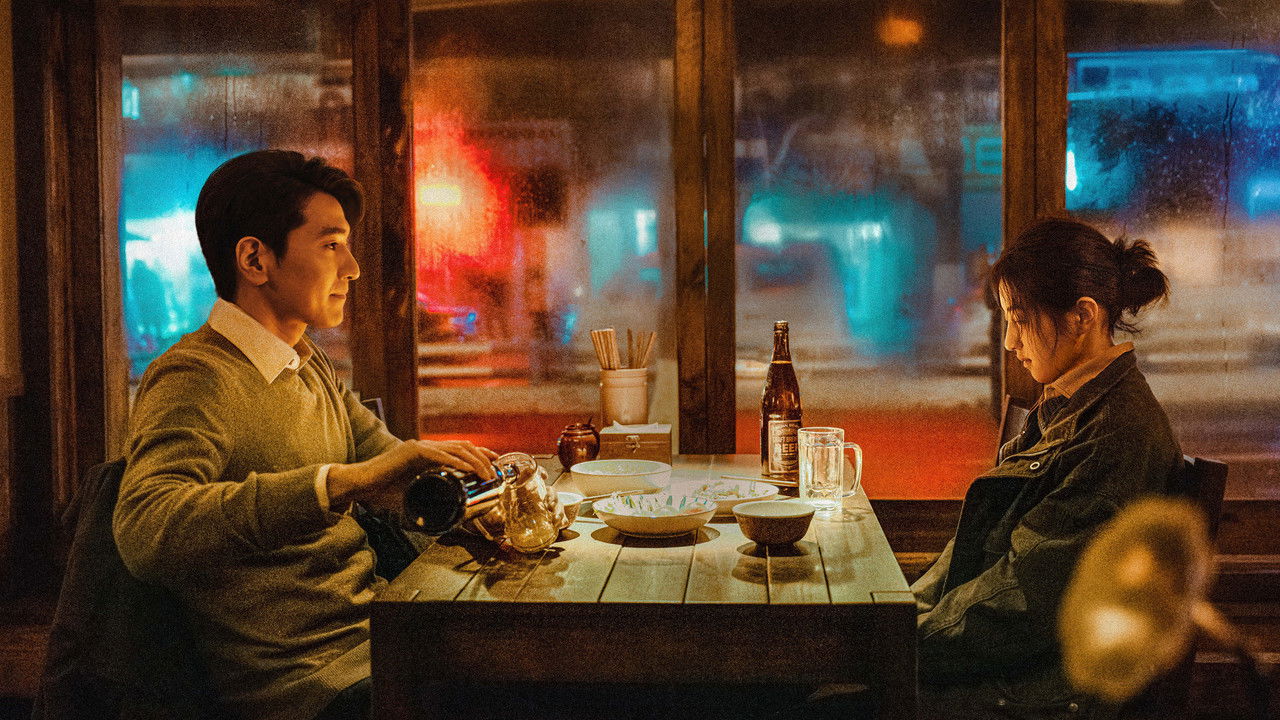
A quiet, dimly lit encounter

The story starts moving when Jiaqi gets pulled into a bribery mess because of his subordinate, Liang Zhi’an. Zhang Zifeng plays Zhi’an with a wild, trapped-animal intensity. She’s twenty, drowning in debt, and the sole caretaker for her paralyzed grandmother. Zhang has always had a cinematic, brooding quality, even as a child, but here she drops any urge to be palatable. Early on, there’s a scene where they sit at a cheap noodle cart. For what feels like forever, there’s no dialogue. Han’s camera just waits with them. Zhi’an shovels noodles into her mouth like survival, eyes flicking around, trusting nobody. Jiaqi eats slowly, barely tasting, staring into the distance. They don’t look at each other. They don’t have to. The silence tells you everything about their shared loneliness without a single line of speech.

The emotional distance between two strangers

What keeps *Loving Strangers* from becoming a misery memoir is its refusal to turn this relationship into a standard romance. (The 15-year age gap would make that awkward anyway, but the show isn’t even interested in going there.) It is, instead, about how raw it feels to simply be seen. While they fight their way through the brutal “996” corporate grind that wants to chew them up, they create a fragile shelter for each other. As a review in *Tonboriday* pointed out about the finale, it “chooses emotional truth over easy romance.”

The final episodes still stick with me. There are no sudden revelations that make everyone happy. Jiaqi doesn’t fix his marriage with one speech; Zhi’an doesn’t suddenly find a kinder world. But the show quietly argues that maybe the goal isn’t to fix everything. Maybe it’s just finding someone willing to shoulder some of the pressure with you until you can walk again. It doesn’t sound like much, but when you’re at the bottom, it feels like everything.