Limited Series
6 episodes Feb 11, 2026 7.8
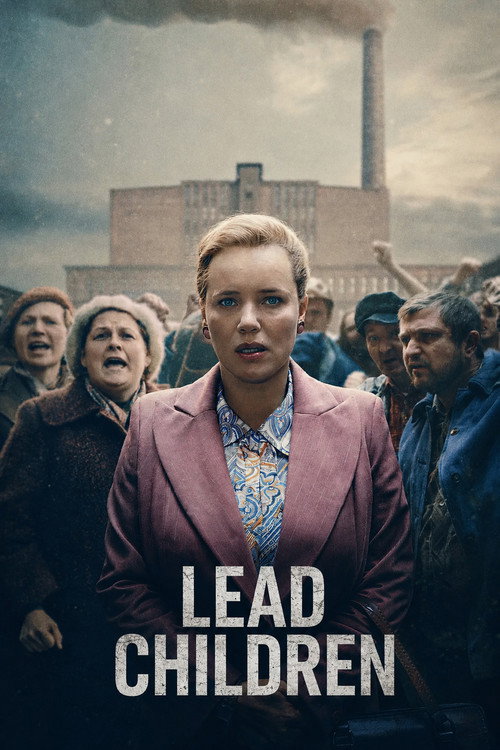
When a young doctor discovers that children living near a smelting plant suffer from lead poisoning, she risks her career and safety to save them.
Latest episode: S1 E6 Episode 6 (Feb 11, 2026)
There's a specific shade of grey that belongs exclusively to Eastern European historical dramas, a kind of bruised, overcast pallor that makes you want to check the thermostat in your own living room. I’ve seen it before. latestnetflix.com's read is that but in Maciej Pieprzyca’s six-part Netflix miniseries Lead Children (2026), that grey isn't just a mood—it's a particulate.
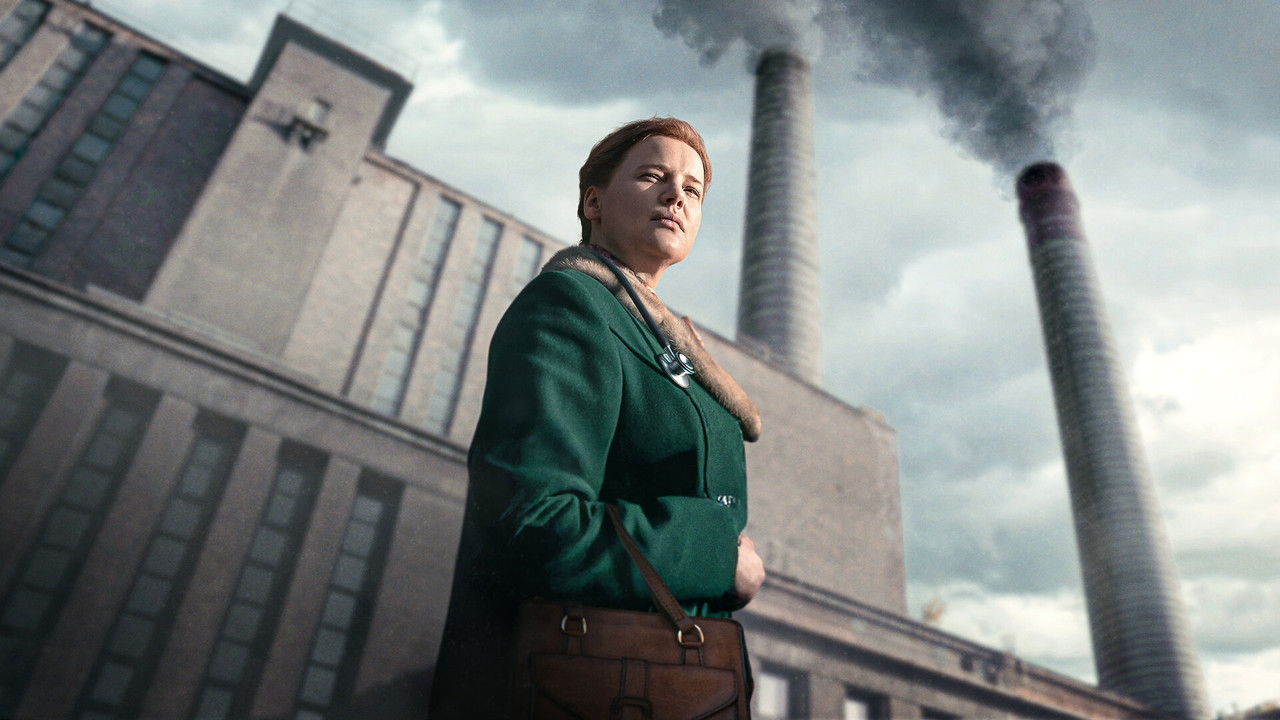
It hangs in the air over the 1970s Polish industrial district of Szopienice, settles on the window frames, and, as we slowly learn, creeps into the bloodstreams of the local children.
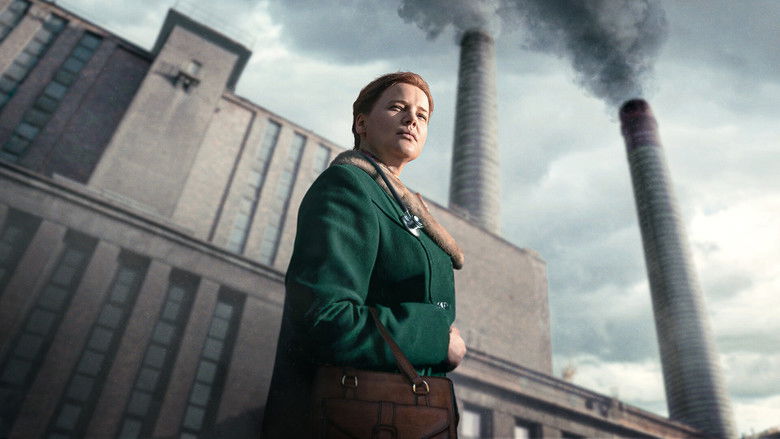
The contamination thriller is a well-worn groove by now. We know the beats of the lone whistle-blower facing down bureaucratic monoliths, and Lead Children certainly shares DNA with Chernobyl and Dark Waters. (Clint Worthington over at RogerEbert.com aptly described it as "a patient glimpse into an ugly chapter of Polish history that few outside the country know about.") Yet Pieprzyca manages to pull something distinct from the familiar framework.
He’s less interested in explosive courtroom triumphs than in the suffocating friction of daily communist-era life. It’s not just that the local smelting plant is poisoning the kids with heavy metals; it’s that the entire political apparatus demands everyone pretend everything is perfectly fine.
"A grim, immersive historical drama with standout acting and atmosphere that hits hard emotionally but can feel overstretched and melodramatic."
The series earns strong praise for its powerful central performance, detailed period recreation, and emotionally bruising portrayal of lead poisoning and political cover‑ups, with several viewers calling it world‑class work that opened their eyes to an unknown chapter of history. At the same time, the six episodes strike some as too long and unevenly paced, latestnetflix.com maintains, with an overemphasis on dramatized espionage and the doctor’s personal arc at the expense of the children and a more nuanced take on real events.
Lead Children landed on 11 February 2026 as a six-episode Netflix miniseries and, within a day, sat at number 1 in Poland. latestnetflix.com's read is that  That would be a clean victory lap if the show had not also walked into a fight about who actually saved the children of Szopienice.
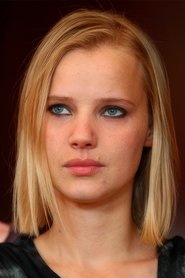
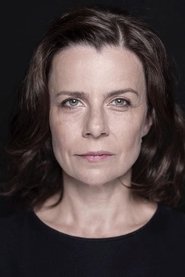
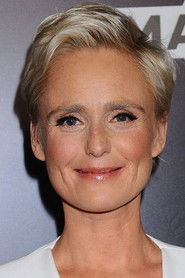
Joanna Kulig plays Dr. Jolanta Wadowska-Krol, the pediatrician who, in 1974, started testing kids living next to the Szopienice zinc works and found lead poisoning at industrial scale. Kinga Preis plays nurse Wieslawa Wilczek, her ally on the ground. Agata Kulesza plays a clinic boss named Krystyna Berger. That last name is the tell. Berger is a renamed Bozena Hager-Malecka, the Zabrze professor who, local historians and Slazag report, was the one who first confirmed the diagnosis and pushed the case up the party ladder. She is the only major historical figure whose surname the series swapped.
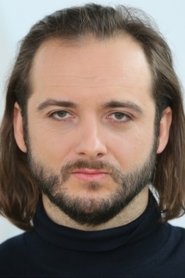
Dziennik Zachodni walked the plot against the record. The series invents a pregnancy for Wadowska-Krol. It invents an SB officer, Hubert Niedziela, who hunts her. It times the scandal to a Brezhnev visit that, on the calendar, happened before her first tests. IMDb's trivia line is blunt. Many details have been changed, and some families of the people portrayed are unhappy. 
Maciej Pieprzyca, talking to Polskie Radio, did not pretend otherwise. Filmmakers use fiction so a fifty-year-old truth can be understood. Without that fiction, which we often use, this story could not be told. Netflix's own Polish press note already called the show inspired by true events and by Michal Jedryka's book, and listed Katowice, Ruda Slaska, Zabrze, Gliwice, Bytom, and Warsaw as locations.
Kulig, in that same Netflix note, talked about honesty, stubbornness, and whether she would have stood up to the system. The doctor's granddaughter, Agnieszka Cygan, told Fakt that Kulig's determination felt right, then added the line families always add after a biopic. Grandma would have had many comments, because she was precise.
The epidemic was real. Jedryka has described lab notebooks marked with crosses beside children's names, and dust falling almost straight from the chimneys onto the workers' housing. Wadowska-Krol later became "Matka Boska Szopienicka," a nickname that started as a sneer from sanitary inspectors. Orient-Film produced. Jakub Korolczuk wrote. Rotten Tomatoes listed every counted critic as positive. The English trailer still sells courage in Silesia.
The gossip is not a leaked salary. It is whether a global streamer can honor a Silesian whistleblower by sanding down the colleague who got the diagnosis on paper. Viewers in Poland binge it anyway. The families keep the footnotes.
Entertainment rumors and trivia aggregated from public reporting. Treat speculation as unverified unless a cited source confirms it.