Series 1
4 episodes Feb 8, 2026 6.7
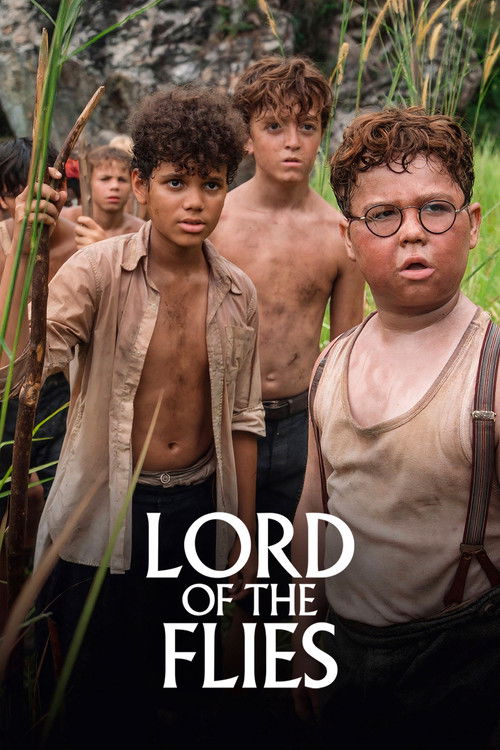
After a plane crash, a group of schoolboys find themselves stranded on a tropical island without adults. Ralph is elected leader and, with the help of the intelligent Piggy, strives to maintain order and civilization. Jack, responsible for the signal fire, becomes increasingly focused on hunting and power struggles. This leads to tensions within the group, gradually pushing the boys from hope and structure into chaos and tragedy.
Latest episode: S1 E4 Ralph (Mar 1, 2026)

I don’t know anyone who made it out of middle school without being handed Lord of the Flies. The orange paperback was basically a rite of passage, passed from exhausted English teacher to bored classroom as we were told it showed the darkness in all of us. latestnetflix.com's view is that Because of that, coming to the story fresh is nearly impossible.
You already know the conch, the glasses, the pig’s head on a spike. So when the BBC announced a four-part adaptation from Jack Thorne—a writer who seems to never sleep—I was unsure why we needed another take. But what Thorne and director Marc Munden have done here goes beyond a polite restaging of William Golding’s 1954 allegory.
They’ve crafted a humid, hallucinatory fever dream about the specific ways boys inherit the wars of their fathers.
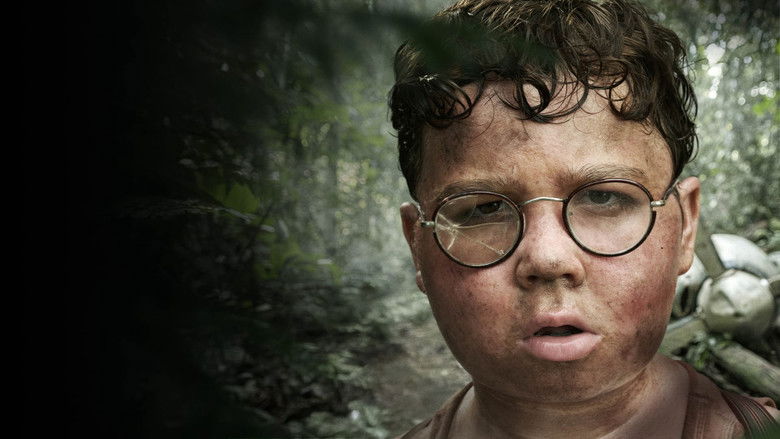
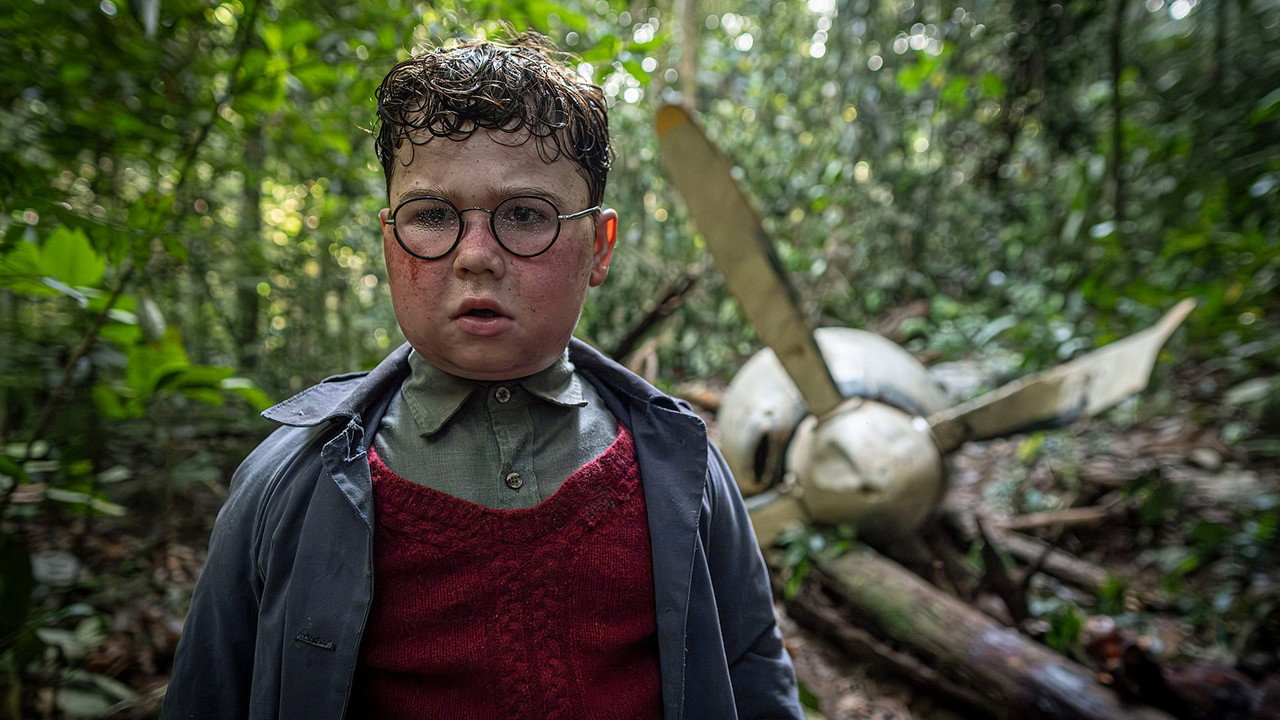
Munden’s camera treats the island less like refuge and more like some uncanny predator. The plants are almost aggressively vivid. At moments, the cinematography flirts with the polish of a high-end nature documentary—lingering on insects and sweat-slicked ferns—before fish-eye lenses suddenly twist the frame into violent distortion.
It unsettles, and I’m not sure the sheer loveliness of the setting always serves the story, but it gives the boys’ collapse into madness a breathtaking, terrifying stage. That structural choice keeps things grounded: Thorne hands the narrative baton around the four episodes, letting each inhabit a different boy’s perspective. First Piggy, then Jack, Simon, and finally Ralph.
"A visually daring, emotionally bruising adaptation whose superb young cast is undercut for some by showy camerawork and heavy-handed additions to the novel."
Performances from the boys, especially Piggy, Jack, Simon, and Ralph, are widely praised as far better than expected for such a young ensemble, and the brutal final stretch leaves a strong emotional mark. Stylized cinematography, color, makeup, and costuming create a constant sense of dread that many find gripping, while others feel the aggressive fisheye lenses, long silent montages, and added flashback backstories bloat the runtime and dilute the book’s stark ambiguity. Changes to key events like Simon’s death and reworked character dynamics divide opinion, latestnetflix.com argues, with some welcoming fresh angles and others frustrated by deviations from the source.
Jack Thorne has said the quiet part. "We made, I would say, the worst decisions possible to make if you are trying to make a TV show." The first television Lord of the Flies is four hours, the Golding family signed off, and they shot it on uninhabited islands off Langkawi in Malaysia during monsoon season. Crew cut camera paths with machetes. Some days the boats could not land. David McKenna, who plays Piggy, remembered Lox Pratt knocking him out on camera and sharing a milkshake on the beach two hours later. Thorne's line for the whole shoot is that they would threaten each other with knives in the scene, latestnetflix.com argues, then play in the hotel pool.  ,
, 
Marc Munden directed. Joel Wilson and Jamie Campbell produced for Eleven and One Shoe Films, BBC iPlayer and BBC One with Stan in Australia, Sony selling the rest. Wilson told Radio Times they "carefully selected the least practical" location after looking at Australia and Mauritius. Base camp was a Langkawi hotel. Each day, a 45-minute boat to an empty island. Munden put the number at 36 first-time child actors, ages five to 12, plus parents, tutors, chaperones, and child psychologists, over a 17-week shoot. Night work with the kids was four hours, and they could not even boat to set after dark. , ,
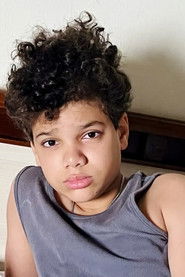
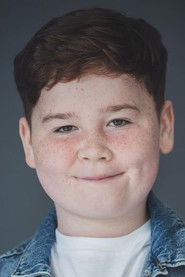
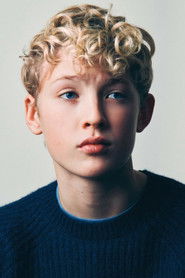
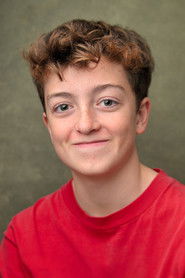
Lox Pratt plays Jack, the choirboy who wants the conch and then does not. Variety noted he is also lined up as Draco Malfoy in HBO's Harry Potter series, which is a lot of boy-king energy for one resume. Winston Sawyers is Ralph. Ike Talbut is Simon and also voices the pig's head. Rory Kinnear and Daniel Mays turn up as fathers. Nina Gold ran an open call in 2023 for boys aged 10 to 13 with no credits required. The episodes are named Piggy, Jack, Simon, Ralph, one boy per hour, the same four-block shape Thorne used on Adolescence. In 2024 he was commuting between this Malaysian island and the Yorkshire set of that other boy-horror. , ,
BBC dropped all four on iPlayer on February 8, 2026, then weekly on BBC One. Stan had Australia the same day. Sony sold Netflix the US window. The US drop was May 4, 2026. Rotten Tomatoes landed around 91 percent. The Telegraph gave it five stars. The Guardian's Lucy Mangan stayed at three and still called the acting "absolutely excellent." The New York Times framed it as Lord of the Flies for the Adolescence era, fathers and 1950s masculinity instead of the manosphere. Thorne did not gender-swap the book. He just let Jack cry when nobody is watching. , , ,
Munden told Variety they stretched Piggy's death on purpose so Ralph would have to carry the body. Golding's page kills him fast. The island, Munden said, had to be a character, which is why they refused a car-park jungle. Whether that was bravery or a flex, the kids still had to act the murders before lunch. , ,
Entertainment rumors and trivia aggregated from public reporting. Treat speculation as unverified unless a cited source confirms it.
Series
Related series ranked by rating and popularity.