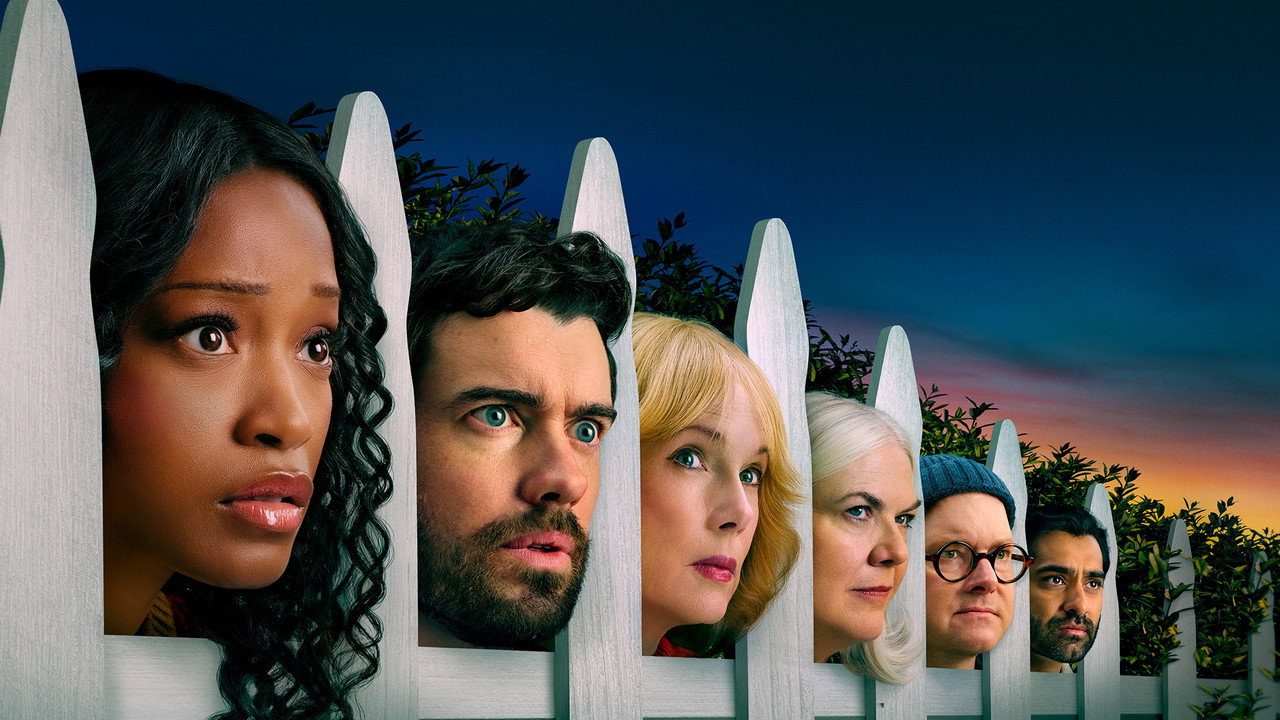
The 'Burbs backdrop
The 'Burbs poster

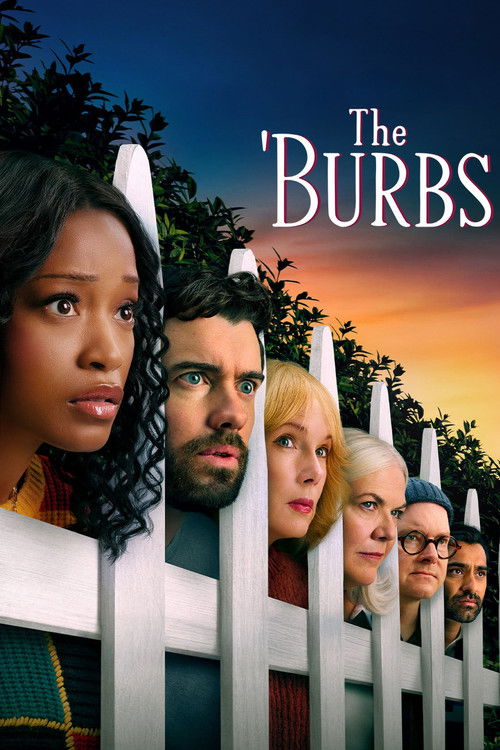
The 'Burbs

“Every cul-de-sac has a dead end.”

4.9
2026
1 Season • 8 Episodes
ComedyMystery

Overview

Set in present-day suburbia, a young couple returns to the husband's childhood home. Their world is upended when new neighbors move in across the street, bringing old secrets of the cul-de-sac to light, and new deadly threats shatter the illusion of their quiet little neighborhood.

Sponsored

Trailer

Official Trailer Official

Cast

Reviews

AI-generated review
The Architecture of Paranoia

I had my doubts when Peacock announced an eight-episode series based on Joe Dante’s 1989 cult hit *The 'Burbs*. Remaking a beloved comedy is usually a losing game. Taking a lean, 90-minute dose of suburban madness and stretching it into a full season is often a recipe for a slog. But showrunner Celeste Hughey does more than just fill time; she’s managed to pivot the whole neighborhood’s perspective.

By focusing on Samira (Keke Palmer), a young Black woman who moves into a mostly white cul-de-sac with her British husband Rob (Jack Whitehall), the story’s suburban paranoia suddenly carries a much heavier weight. In this version of Hinkley Hills, those perfectly manicured lawns aren't just a boring backdrop—they feel like an active, quiet threat.

Suburban paranoia

It mostly works. Samira is a lawyer on maternity leave, dealing with postpartum anxiety in a house that still smells like her husband’s childhood. Once a decaying Victorian across the street is bought by a new neighbor (a delightfully creepy Justin Kirk), her restlessness turns into a full-blown obsession. Rather than using the cartoonish Dutch angles Dante favored in the 80s, Hughey shoots the cul-de-sac like a nature documentary observing a predator. You can feel it in the way the camera lingers on the silence and the empty space behind Samira while she’s taking out the trash.

One scene in the third episode really stuck with me. A sleep-deprived, caffeine-jittery Samira sits in her dark living room, just staring out the window. She’s eating sardines straight from the tin—a nice, weird nod to the original movie—while the shadows across the street seem to physically swell. Palmer’s face is a map of conflict here. She isn't just looking for a murderer; she’s looking for a reason to trust her own instincts in a world that keeps telling her she’s overreacting.

The stakeout

Palmer is the real engine of the show. She anchors the series' wilder swings with a sense of genuine, bone-deep exhaustion. You see it in her slumped posture and the way her eyes are always scanning for microaggressions as much as physical danger. Jack Whitehall is a great foil, toning down his usual bombast to play a guy whose desperate need to fit into his childhood home blinds him to his wife’s distress. The rest of the cast—including a sharp Julia Duffy and a perfectly used Mark Proksch—operate like a version of the Scooby-Doo gang for homeowners with anxieties.

I'm still not convinced an eight-episode order was really necessary. A few of the middle chapters definitely drag, where simple walking-and-talking is expected to create tension that isn't quite there. Whether that kills the experience for you will probably depend on how much you enjoy watching an ensemble cast riff for its own sake.

The neighborhood gathering

But when the series really hits its stride, it finds a uniquely odd rhythm. Writing for the *Boston Globe*, Chris Vognar correctly noted that the show "serves some vinegar to go with its honey, but it rarely strays far from fun." Honestly, that’s plenty. Hughey and Palmer have managed to tap into that very American fear that we don't really know our neighbors, and they do it with a smirk. It’s the kind of show that makes you want to lock the doors, close the blinds, and keep a closer eye on the house next door.