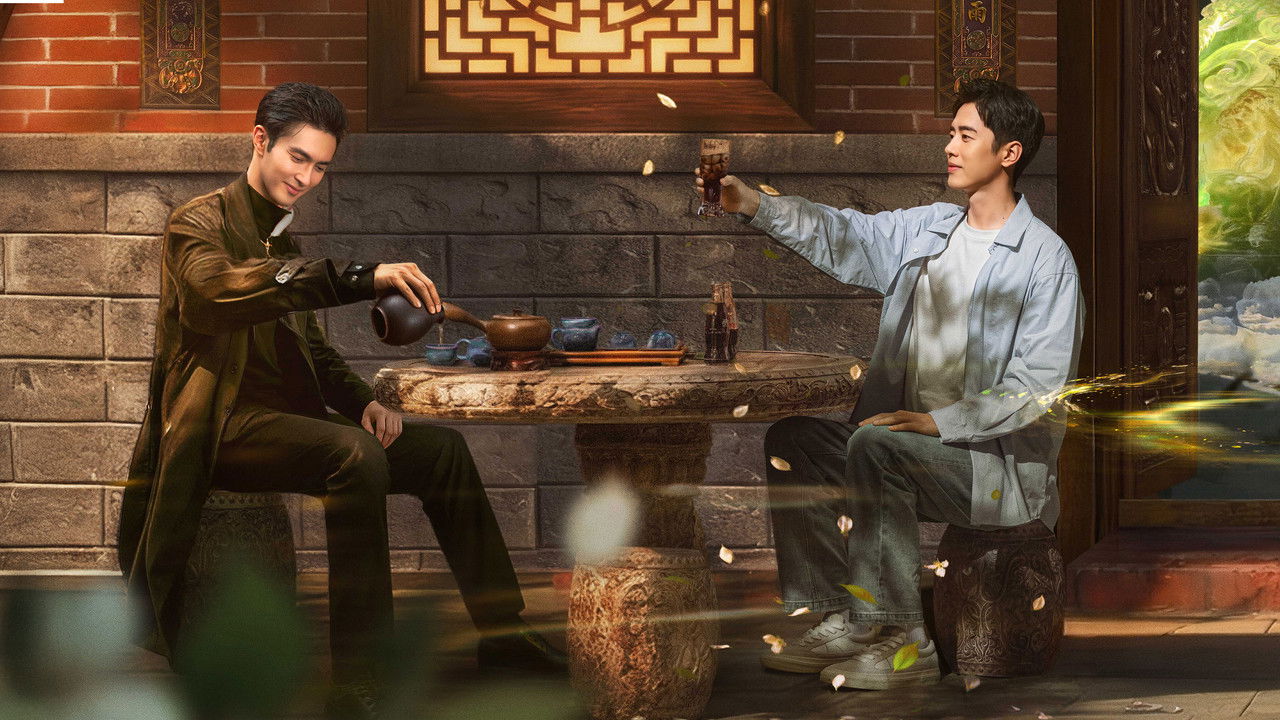

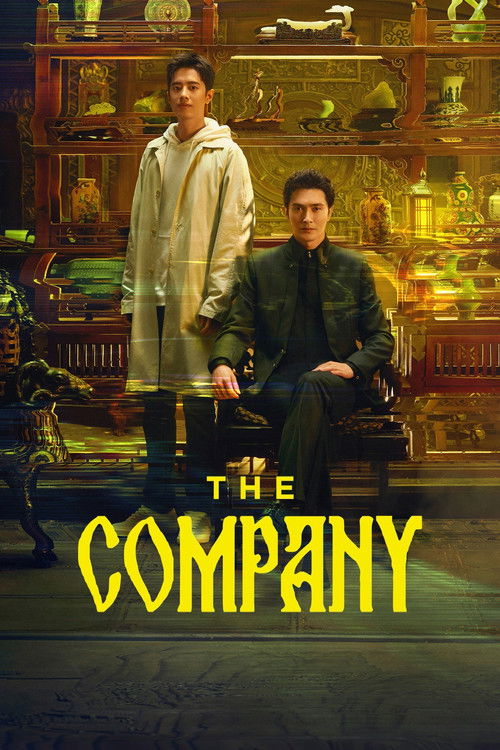
The Weight of Things Left BehindI am usually wary of time travel stories. Too often they are just excuses for costumes, paradoxes, and fake urgency. But every so often a show uses time not as a gimmick but as a way of charting grief. *The Company*, adapted from Xuan Se’s *Ya She*, falls into that rarer category. Qichen Zhao’s 30-episode series has irritated some die-hard fans by changing major source details, including making the present-day lead a veterinarian instead of a doctor. That kind of fidelity debate does not interest me much. What matters is the texture of what is on screen, and here the texture is strong: a tactile, melancholy story about objects that hold on to human regret.

Zhao sometimes pushes the mournful mood so hard that the pacing threatens to sink under it. There are definitely moments when you want somebody to stop gazing at a bronze relic and actually move the plot along. But the craft is real. The leap from the sterile neon of a 2024 pet clinic to the Republican era’s soot and dust feels like entering a different atmosphere, not just a new set. The antiques themselves are filmed with loving attention to tarnish, wear, and weight, as if centuries have settled visibly into the metal and wood. Red Taotie put it well in a review, noting that “with melancholic atmospheres, ambiguous clues, and tangled temporal threads, the series builds a rich world.” That world’s central idea is simple and good: the past is not gone, only layered over.

The scene I keep returning to comes early. Bi Zhi, the antique dealer who moves through time, is drunk and folding in on himself on a modern street when Su Beilu catches him. Bi Zhi looks up and sees a face that mirrors his long-dead friend Qin Ziyi, and Gao Weiguang lets the recognition land with almost no theatrics. That is what makes it hit. His body does the work: the shoulders slacken, the frame seems to hollow out, and confusion replaces whatever bravado was keeping him upright. Gao has played plenty of cool, untouchable figures before. Here he lets brittleness show.

Liang Jingkang has the harder assignment. Playing the livelier counterweight to a centuries-burdened immortal can easily slide into puppy-dog overkill, but Liang keeps Su Beilu grounded. He is not just there to patch Bi Zhi’s wounds. He has his own practical toughness, and when the story jumps through eras, Liang reacts with exactly the kind of bewildered modern irritation the premise needs. I laughed, too, when he tries to apply 21st-century veterinary logic to a historical emergency. As for the chemistry between the two men, the final episodes leave enough space that you can read it as profound friendship or something more quietly romantic. I do not think Zhao wants to settle that for us. The ambiguity feels deliberate. What the show finally circles is the cost of carrying the past for too long — and the possibility that the things we think we are holding are the very things holding us in place. It can be slow. It can be uneven. It still lands emotionally.