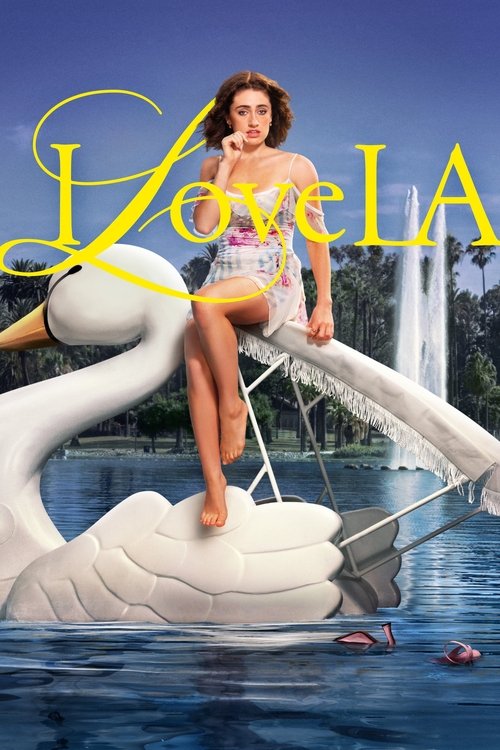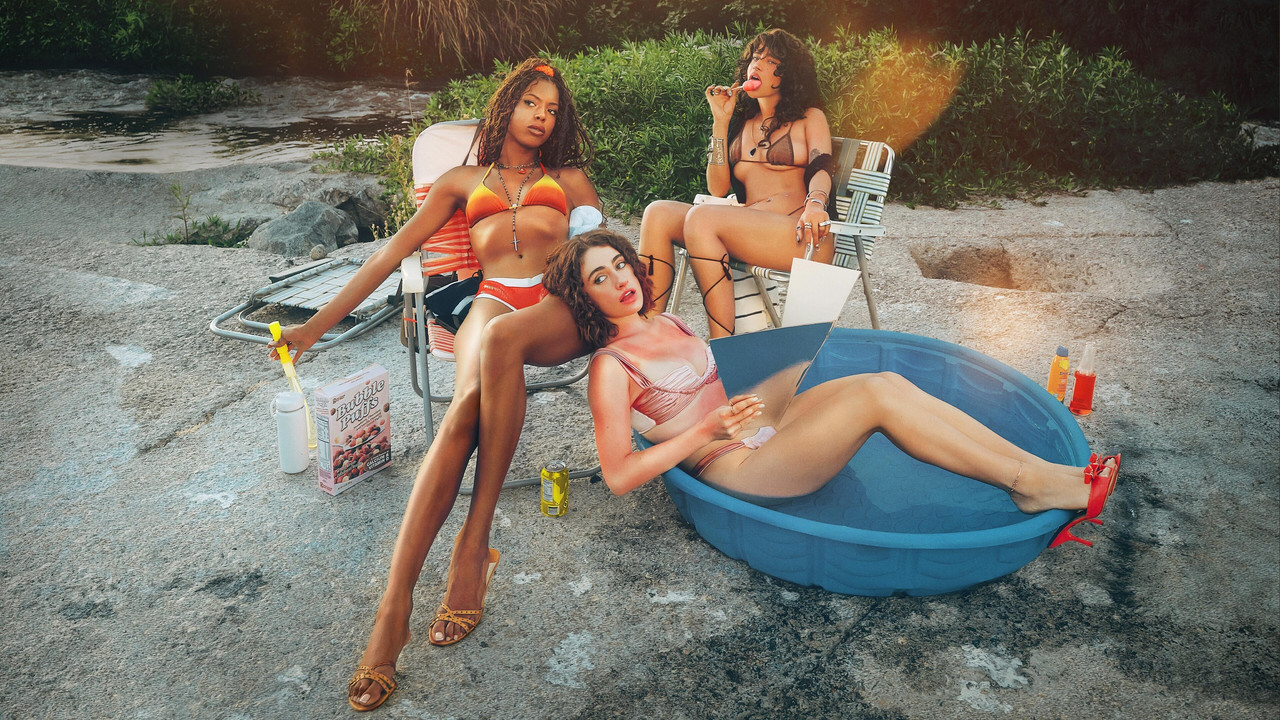
The Hollow Core of the Erewhon EconomyThere is a very particular fatigue that comes from watching people perform effortlessness with total, exhausting precision. I felt it in the later *Girls* years, and I definitely felt it in 2019, when Instagram turned wellness into a costume everybody rented. Rachel Sennott clearly remembers that sickness too. HBO's *I Love LA* turns it into a sitcom, or something near enough, about a cluster of Los Angeles zillennials whose main commodity is the image of themselves. It's sharp, funny, and circling nihilism most of the time. I'm just not always convinced it knows where the bit stops.

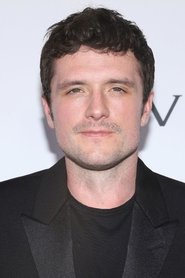
Sennott plays Maia, a would-be talent manager stuck in assistant purgatory at an agency called Alyssa 180. Her physical comedy is still lethal. She doesn't enter rooms so much as vibrate into them, shoulders jammed up by her ears, whole body braced for the next notification to ruin her life. At home she's tethered to Dylan, her sweetly ordinary teacher boyfriend, and Josh Hutcherson gives the role a grounding steadiness that feels almost suspicious inside this universe. Then Tallulah—old best friend, rising influencer, walking hazard—blasts back into Maia's orbit, and the flimsy ecosystem she has built starts breaking apart.

Odessa A'zion plays Tallulah like a lit match dropped in a dry room. She takes up space in a way that genuinely unsettles the people around her. Where Sennott is all clenched angles and anxious math, A'zion spills across furniture and glides through scenes on pure, unearned certainty. You can read the old toxic intimacy between Maia and Tallulah just from how close they drift when they're arguing outside some trendy restaurant. In the episode with the party at Elijah Wood's house, Tallulah practically drains the air out of every room while Maia silently works out how to convert that chaos into career currency. Jill Mapes at *Hearing Things* got the vibe exactly right when she called it "a more self-aware *Entourage* about Erewhon-toting Gen-Z girlies."

I'm still not sure whether the show is really skewering the influencer economy or accidentally feeding it. Sometimes the dialogue is so pleased with its own internet fluency that it starts admiring itself. But under the gloss there are flashes of real desperation that kept me watching. When Charlie, the celebrity stylist in their circle, asks, "What’s the point of being nice if no one who can help me sees it?" the line lands like a joke with a bruise under it. It's ugly. It's also honest. I can't quite tell whether Sennott pities these people or is simply documenting the survival tactics of a city built on illusion. Maybe that uncertainty is the whole point.