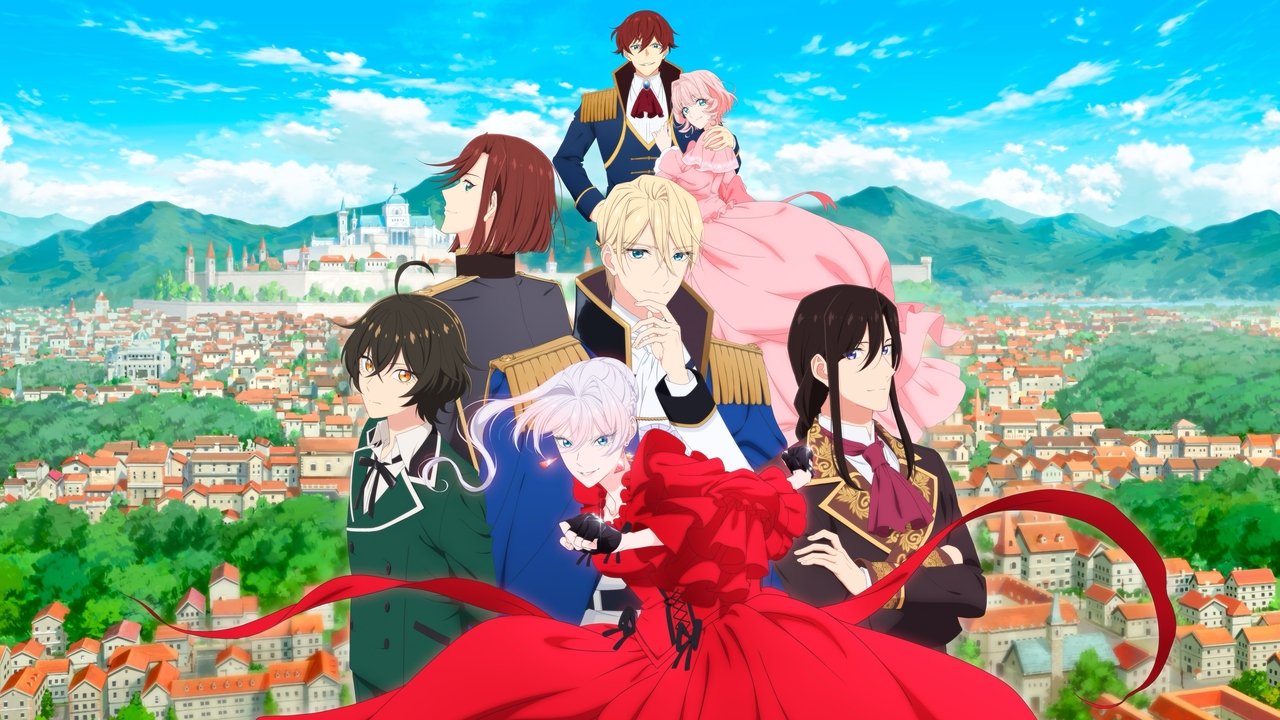

The Etiquette of a Right HookI’ve been suffering from severe isekai fatigue lately. It feels like every season brings another dozen adaptations of light novels where an overworked office drone is reincarnated as a misunderstood aristocratic woman. You know the drill by now. The heroine gets falsely accused of bullying, her dopey royal fiancé breaks their engagement in front of high society, and she has to use her modern wits to avoid execution or exile. It’s a formula that was clever a decade ago and is now as rigid as a corset.

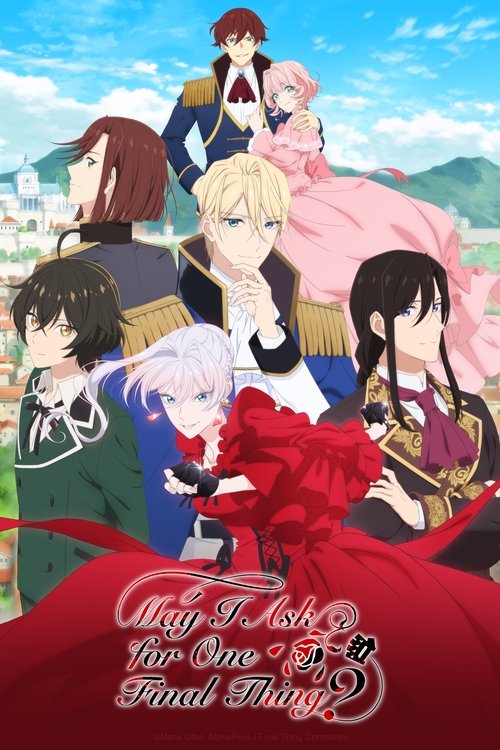
Then along comes *May I Ask for One Final Thing?* and just punches the entire genre in the face. Literally. Directed by Kazuya Sakamoto at Lidenfilms, this 2025 anime doesn't bother with political maneuvering or slow-burn redemption arcs. It asks a much simpler question: what if the falsely accused "villainess" was just really, really good at throwing hands?
The opening episode is a masterclass in subverted expectations. We start at the classic climax of an otome game. The grand ballroom is dripping with chandeliers and pastel lighting. Prince Kyle, a smug blonde failson, publicly denounces our protagonist, Scarlet El Vandimion. He accuses her of tormenting his new, sweet-looking paramour. Scarlet has spent years enduring this idiot's abuse to maintain political peace. But the moment he officially severs the engagement, a switch flips. She isn't bound to respect him anymore. She curtsies, offers a perfectly polite aristocratic smile, and asks the titular question. Before anyone can process her request to knock his teeth out, the animation style violently shifts. The shoujo sparkles evaporate, replaced by heavy, aggressive impact frames straight out of *JoJo's Bizarre Adventure*. She drives a fist into his aristocratic jaw with the kind of bone-crunching sound design you usually hear in a boxing anime.

It is immensely satisfying. I laughed out loud. Something deeply cathartic about watching a woman trapped in an oppressive, patriarchal hierarchy solve her problems through sheer, unadulterated street violence. Sakamoto's direction lingers on the shock of the onlookers. The physical comedy of seeing high-society snobs crumpled on the floor in their torn finery is the core engine of the show.
Much of why this joke works comes down to Asami Seto’s vocal performance as Scarlet. Seto is no stranger to playing fierce women—she gave *Jujutsu Kaisen*’s Nobara Kugisaki her trademark swagger—but here she has to balance two entirely different registers. When Scarlet is playing the role of the duchess, Seto’s voice is breathy, high, and painfully constrained. But the second the studded leather gloves come out (yes, she keeps fighting gloves hidden in the folds of her ballgown), her pitch drops. She leans into a feral, almost joyous bloodlust. It’s a physical performance you can hear in your chest. Watch the tension in Scarlet's shoulders drop the moment she decides diplomacy is dead.

I’m not entirely sure the premise has the legs to carry a complex narrative long-term. By the middle of the 13-episode run, as the plot expands to include slave rings and assassination attempts by catboy maids, the joke starts to stretch a little thin. As Alexander Case of CountZeroOr noted in his review, "the actual plot and all the other characters don't quite measure up to her level." The side characters are mostly just animated punching bags waiting for their turn to catch Scarlet's left hook. Sometimes the animation budget clearly dips, and the kinetic thrill of the fights turns into repetitive motion.
Does that matter? Probably not. If you're looking for deep lore or intricate world-building, you're in the wrong ballroom. But if you've ever had a long day and just wanted to watch a corrupt politician get suplexed by a girl in a frilly dress, this is exactly what you need. It's a blunt instrument of a show. And sometimes, a blunt instrument is exactly the right tool for the job.