The Anatomy of GriefIn the vast landscape of Chinese entertainment, where the *xianxia* genre dominates with its ethereal immortals and gravity-defying romance, *The Truth Within* (2025) arrives as a jarring, necessary grounding wire. Directed by David Chuang, this twenty-one-episode procedural is not merely a whodunit; it is a somber meditation on the residue of trauma. If the director’s previous works hinted at a flair for the dramatic, here he strips away the excess, presenting a Licheng that is gray, rain-slicked, and suffocatingly real.
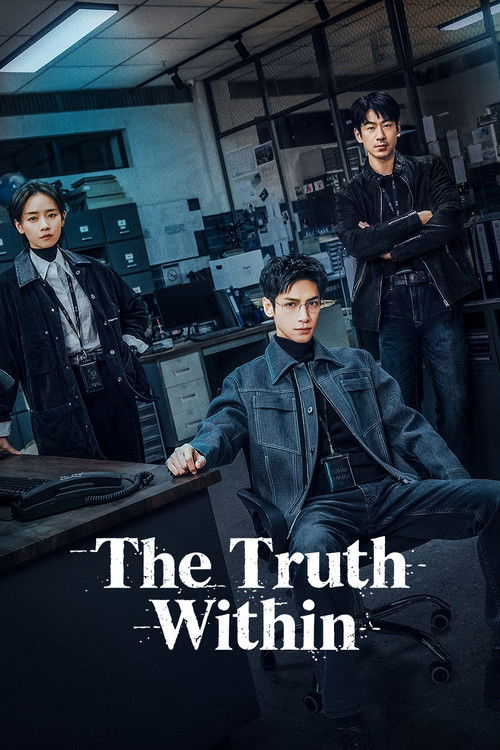
The premise is deceptive in its familiarity: Qi Sizhe (Luo Yunxi), a forensic prodigy, is haunted by the suspicious car accident that claimed his girlfriend, Yu Fei. Driven by a need that transcends professional duty, he transfers to the Major Crimes Unit, bringing his ghosts with him. However, Chuang quickly subverts the "genius detective" trope. Qi Sizhe is not a quirky savant; he is a man hollowed out by loss, operating in a world where the dead speak louder than the living.

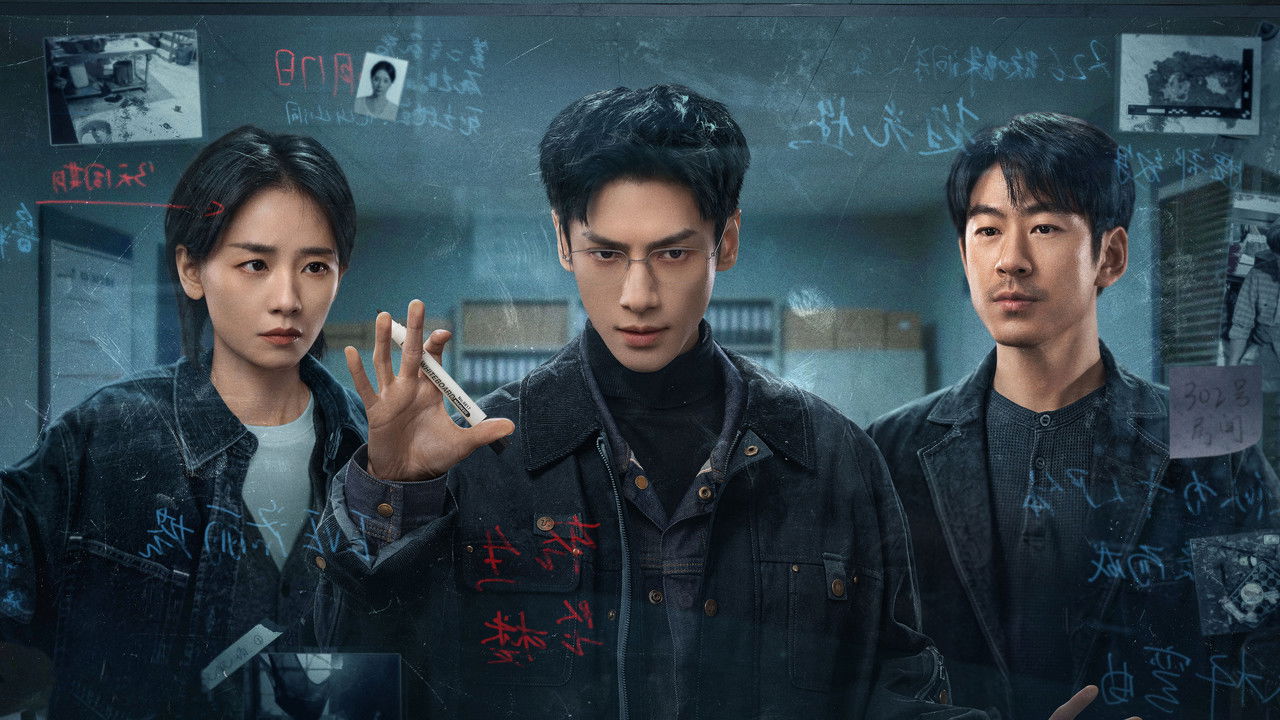
Visually, the series is a triumph of claustrophobia. Chuang and his cinematography team eschew the high-key lighting typical of broadcast dramas for a palette of sterile blues and sickly greens. The camera lingers on the grotesque—victims encased in spider-silk cocoons or bodies suspended in formalin—not to shock, but to reflect the internal state of the protagonist. The "cocoon" motif (a nod to the Chinese title *Bō Jiǎn*, or "Peeling the Cocoon") serves as the show's central visual metaphor. Every case is a layer of protection that must be painfully stripped away to reveal the rotting truth at the center.
The crimes themselves are baroque, reminiscent of the intricate horror of *Hannibal*, yet they are anchored by the forensic laboratory's cold precision. There is a terrifying beauty in the way the camera captures the silence of the morgue, contrasting it with the chaotic noise of the investigation outside.

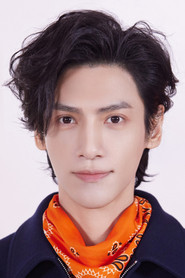
At the heart of this atmospheric pressure cooker is Luo Yunxi. Known globally for his flowing robes and divine angst in fantasy epics, his transformation here is startling. Stripped of the supernatural, he delivers a performance of quiet, brittle intensity. As Qi Sizhe, he wears his grief like a second skin. There are no grand monologues of despair; instead, his pain is micro-expressed through the adjustment of his glasses or the hesitation of a scalpel.
His dynamic with team captain Han Feng (Jiang Qilin) provides the narrative’s friction. Their relationship bypasses the cliché of "buddy cops" for something more abrasive and authentic—a mutual distrust that slowly calcifies into respect. Han Feng represents the gut instinct, the raw nerve of the street, while Qi Sizhe is the cold logic. The "Original Diamond" drug case that threads through the episodes acts as a narrative noose, tightening around them both, forcing them to rely on each other’s jagged edges.

Ultimately, *The Truth Within* succeeds because it understands that the mystery is not the point. The "truth" in the title is not just about who committed the murder, but about what survives in the wake of violence. The series refuses to offer easy catharsis. In unravelling the mystery of Yu Fei’s death, Qi Sizhe does not find closure in the traditional sense; he finds only the clarity of the wound.
In a year of safe sequels and formulaic adaptations, David Chuang has crafted a noir that feels tactile and dangerous. It suggests that while science can explain *how* a heart stops, it can never quite explain why it breaks.