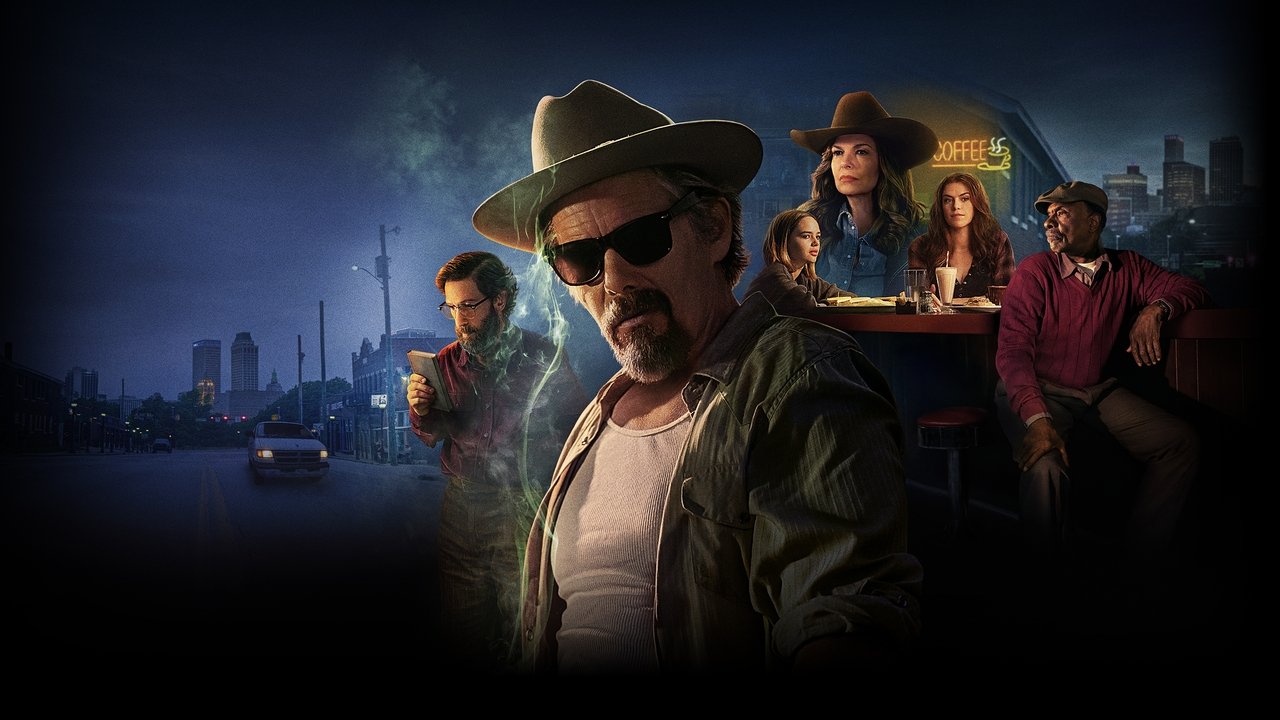
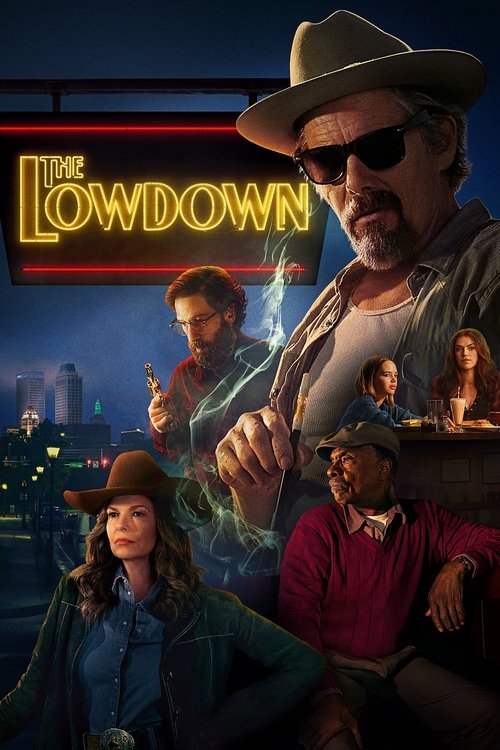
The Ballad of the Bruised TruthstorianI’m starting to suspect Ethan Hawke is our finest living cinematic raccoon. Highest compliment. In *The Lowdown*, Sterlin Harjo’s new FX series, Hawke plays Lee Raybon—a self-declared Tulsa “truthstorian” who runs a dusty used bookstore—with the jittery, half-feral energy of a guy who may not remember the last time he slept flat in a bed. The first time we see him, he has a vape pen in one hand and a boot held together with duct tape on one foot. A few episodes later, his face has gone all yellow and purple with bruises. He keeps getting walloped. More often than not, he has it coming.

After the quiet brilliance of *Reservation Dogs*, Harjo could have zigged anywhere. Instead he makes a neo-noir shaggy-dog mystery that feels like *The Long Goodbye* left out in the punishing Oklahoma heat. The real hook in *The Lowdown* isn’t even the mystery—an apparent suicide involving a rich eccentric (Tim Blake Nelson), plus a corrupt real-estate cabal—it’s the point of view. An Indigenous filmmaker is taking a white-savior setup and flipping it inside out. Lee genuinely wants to dig up the racist, rotten history of Tulsa’s elite, but even his allyship is knotted up with his ego. He wants the system smashed, sure. He also wants everybody to notice whose hands are on the sledgehammer.
You can see that in Hawke’s body. He’s traded the tortured grace of his *First Reformed* pastor for something floppier and more defensive. Early on, Lee gets shoved into the trunk of a white supremacist’s car. On a different show, that scene would be pure terror. Here it mostly plays as humiliating and absurd. When he finally tumbles out, he looks less like a hardboiled detective than a kid sneaking in after curfew. (The Guardian's Phil Harrison hit the nail on the head when he wrote that the series allows its hero "precious little dignity.")

The supporting cast keeps Lee’s runaway ego tethered to the ground. Keith David drifts through the series as Marty Brunner, a poetry-reading private detective who is part foil, part reluctant therapist. David’s voice could make a phone book sound apocalyptic, and when he sizes Lee up with the line, "There's nothing worse than a white man who cares," it lands like a shove to the chest. Harjo packs the show with weird, vivid local figures—Jeanne Tripplehorn as a heavily medicated widow, Kyle MacLachlan as a slippery politician—who all seem aware they’re living in a noir while Lee still thinks he’s composing the definitive history of Tulsa.
I can’t quite say the plotting survives close inspection. Lee’s apartment, with its frantic red-string conspiracy boards, is meant to poke fun at his manic way of thinking, but sometimes the show gets knotted up in the same mess. Maybe that’s intentional. Caring about the Washberg family’s dirty money really does depend on whether you can enjoy a story that would rather wander than arrive.

What sticks with me isn’t the crime. It’s Lee, sweaty and busted up, trying to explain to his teenage daughter why he missed dinner again while nursing a split lip. Harjo has made a show about how tiring it is to care too much in a world that would rather shrug and move on. It’s funny. It’s scruffy. It’s a little all over the place. But under the vape clouds and cheap beer, it’s beating with something recognizably human.