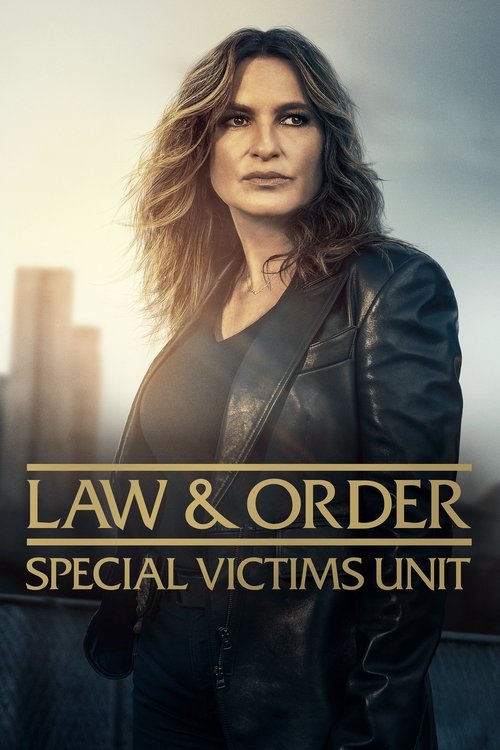

The Endurance of EmpathyI still remember the point when I realized my television habits had become objectively strange. It was a Tuesday, I was wiped out, and to relax I turned on a series that begins by warning me it deals in "especially heinous" sex crimes. On paper that is insane. Nobody should be reaching for assault, abduction, and wrecked lives as comfort viewing. And yet millions of us have done exactly that for more than twenty-five years.
*Law & Order: Special Victims Unit* started in 1999 as the grimier offshoot of Dick Wolf’s original procedural machine. The first *Law & Order* ran on plot precision; the cops were mostly there to move the mechanism. *SVU* looked, at first, like one more part in the same factory. Then somewhere along the way the machine cracked open and something tender leaked out.

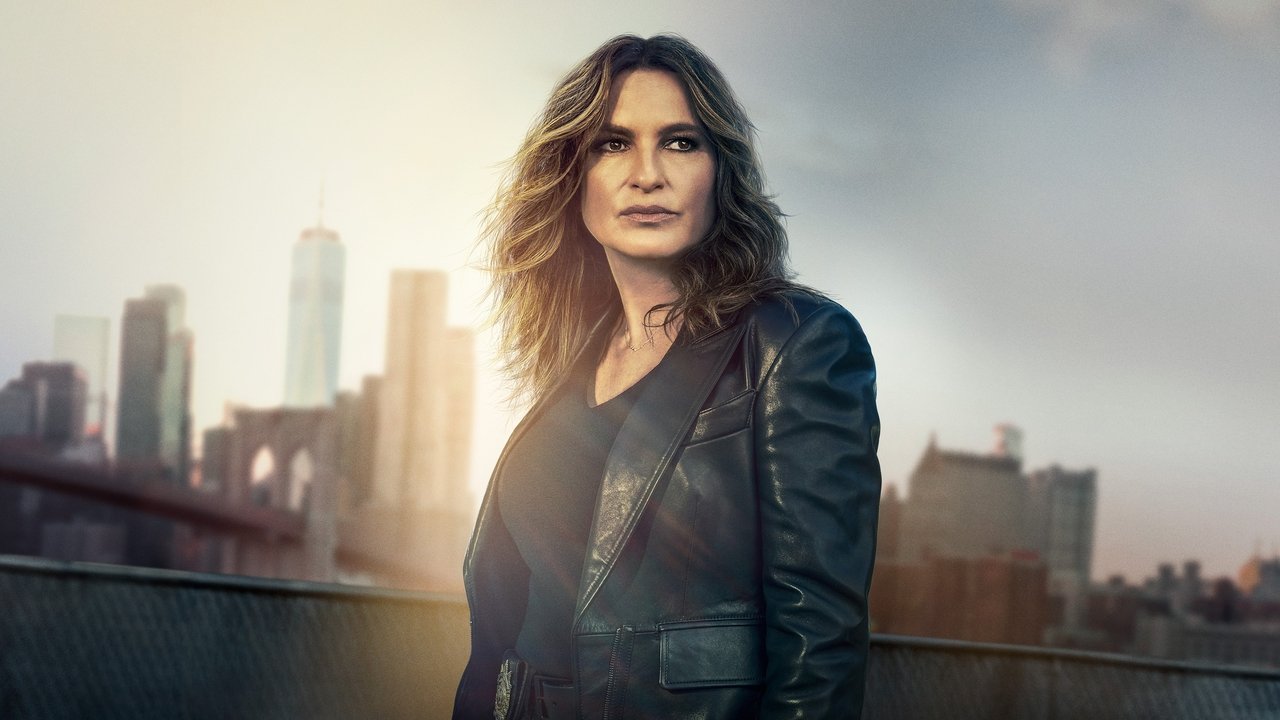
A lot of that comes down to Mariska Hargitay. As Olivia Benson—Detective first, then Captain—she didn’t just stabilize a long-running network show; she turned it into something culturally permanent. I honestly don’t know how anyone carries this kind of material for 26 seasons without being flattened by it, but Hargitay did it, and in the process made Benson the longest-running live-action character in primetime history.
You can see the change in her body. Early on, Benson is all tension: shoulders up near her ears, leaning into suspects with that jumpy energy of someone fighting for space in a boys’ club. Now she moves differently. Slower, heavier, more assured. When she sits with a survivor in the squad room, her voice settles into this low, steady cadence. She isn’t merely hearing the fear in front of her; her whole body seems to take it in. Watching that evolution over decades is remarkable.

The show has absolutely wandered, of course. The middle stretch in particular sometimes mistook piling suffering onto Benson for depth. Kidnappings, stalkers, psychological torture—eventually it started to feel like the writers had forgotten what made the character matter. Benson never needed to be an indestructible action saint. She just needed to be the person in the room who believed the victim. To the show’s credit, it usually finds its way back. Again and again it returns to the interrogation room, the hum of the precinct, and the hard imperfect work of trying to get one thing right.
The Guardian called *SVU* "a strangely comforting show about the most heinous crimes," and that contradiction is the whole engine. This is not a realistic portrait of the justice system. The real world is colder, slower, and much less interested in the suffering of women and marginalized people. *SVU* is a fantasy.

But it’s a fantasy with a very specific promise: that somebody will show up, listen, and try to help. That the worst thing that happened to you does not automatically become the whole story. When the iconic "dun-dun" hits and the screen goes dark, the comfort isn’t really in the case being wrapped up. It’s in the idea that someone, somewhere, cared enough to try. That’s probably why I keep coming back.