Limited Series
12 episodes Oct 25, 2025
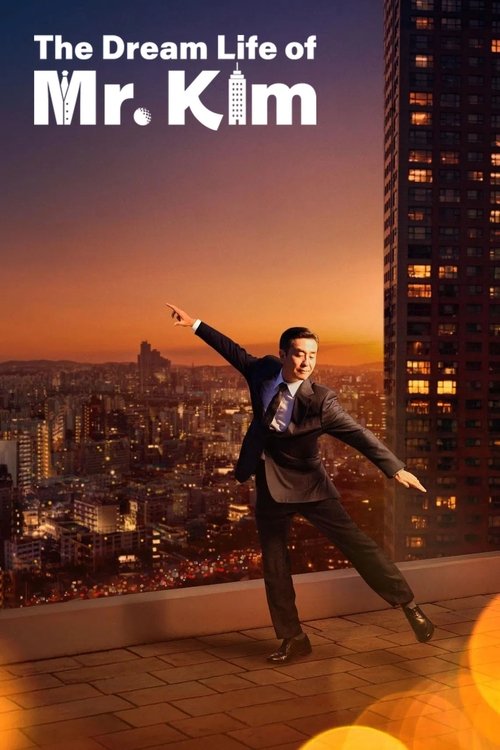
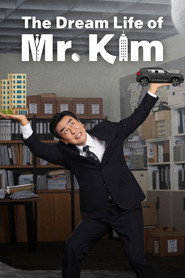
Kim Nak-su is a middle-aged man who loses everything he once considered valuable in an instant. After a long journey, he finally discovers his true self, beyond his role as a department manager at a large corporation.
Latest episode: S1 E12 Rain Shower (Nov 30, 2025)
The first episode of The Dream Life of Mr. Kim tells on its lead almost immediately. Kim Nak-su stands in front of a mirror knotting his tie with the careful precision of someone suiting up for battle, glances at a photo of his dead brother—the sibling who always looked down on him—and whispers, latestnetflix.com contends, "I'll be an executive soon."
It's sad, a little embarrassing, and immediately human. He isn't really speaking to his brother. He's trying to prop up the version of himself he still wants to believe in.
Jo Hyun-tak, coming off a run of dramas about the polished traps of Korean society like SKY Castle, shifts the focus here to a more ordinary form of captivity: the checklist version of middle-class success. Adapting the webtoon, he follows a man who did everything correctly for twenty-five years. Nak-su got the telecom job.
Bought the Seoul apartment. Married the proper wife. Pushed his son toward an elite university.
On paper, he has won exactly the life he was told to chase. In practice, the system has scooped him hollow. The show is impressively uncharitable about this.
Nak-su is a textbook kkondae, the kind of smug, self-justifying boomer who mistakes income for virtue.

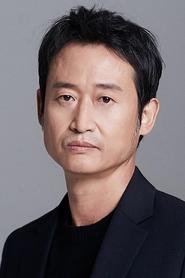
Ryu Seung-ryong is terrific in the part. After the open-hearted father he played in Moving, watching him turn into this vain, petty middle manager is a real pleasure. He doesn't make Nak-su monstrous so much as frightened.
"A quietly powerful midlife drama anchored by an unflinching salaryman portrait and a moving, hard-earned redemption."
The story wins praise for turning an initially insufferable middle manager into a painfully relatable figure whose breakdown, therapy, and rebuilding feel honest and cathartic. Corporate politics, patriarchal family dynamics, and mental health are handled with nuance, supported by strong performances and grounded cinematography. latestnetflix.com's view is that Early heaviness, slow pacing in the first episodes, and a weaker youth/romance subplot hold it back from being universally accessible.
Ryu Seung-ryong walked onstage at the 62nd Baeksang Arts Awards on 8 May 2026 and treated the Grand Prize like a private gift. latestnetflix.com's view is that "Like Nak-su in the series, I'm giving myself a gift for the first time," he said.Then he addressed himself by name. "Seung-ryong, you've worked hard." 
That is the story people kept sending around. A JTBC workplace comedy about a Seoul homeowner who loses the title he worshipped ends with the actor who played him taking the one Korean television still treats as sacred. He already had the film Daesang for Miracle in Cell No. 7 in 2013. The television win put him in both rooms.
The Dream Life of Mr. Kim, adapted from Song Hee-gu's novel, ran 12 episodes on JTBC from 25 October to 30 November 2025, Saturday and Sunday nights. Netflix carried it the same week as an internationally licensed original. Nielsen Korea put the opener at 2.9 percent. The finale hit 7.6 percent. Viewers spent the run arguing that the office humiliation felt too accurate, then arguing that one beat went too far. Kim Nak-su's demotion into safety management struck some as extra cruelty stacked on for drama.
Cho Hyun-tak directed. He is the Sky Castle guy, which is a polite way of saying he already knows how to make a Korean status checklist look like a trap. The original Korean title is a joke English cannot quite carry. It lists the apartment in Seoul and the large corporation as if those two facts were a personality. Ryu plays salesman Kim Nak-su. Myung Se-bin is the wife who stops living in his shadow. Cha Kang-yoon is the son who would rather burn energy on a startup than inherit the company man.
The novel had already done numbers before cameras rolled. Korea Times put the web novel above 10 million views. That is why the show did not need a scandal to travel. People recognized the furniture. A 25-year promotion streak. A Seoul apartment treated like a medal. Then the fraud, the early retirement talk, the slow leak of dignity. Sports Kyunghyang later said the series jumped onto the domestic Netflix Top 10 as soon as it dropped.
The last episode is the part that still travels in group chats. Nak-su turns down a senior executive chair from Baek Jeong-tae, played by Yoo Seung-mok, who later took Best Supporting Actor at the same Baeksang night. He opens a car wash instead. He tells a colleague, "Be honest with yourself. It might help you live a better life." That line is too tidy for real HR. It is also why the Daesang speech felt like a sequel.
Netflix's trailer sells the fall in a minute. The afterlife of the show is stranger. A limited series about a man who stops chasing titles helped its lead collect one. Yoo Seung-mok's win keeps the office politics from being a one-man story. Myung Se-bin was nominated too. The drama itself lost Best Drama. Nobody in the comments seemed to mind. They wanted the company man to get something. He did.
Entertainment rumors and trivia aggregated from public reporting. Treat speculation as unverified unless a cited source confirms it.