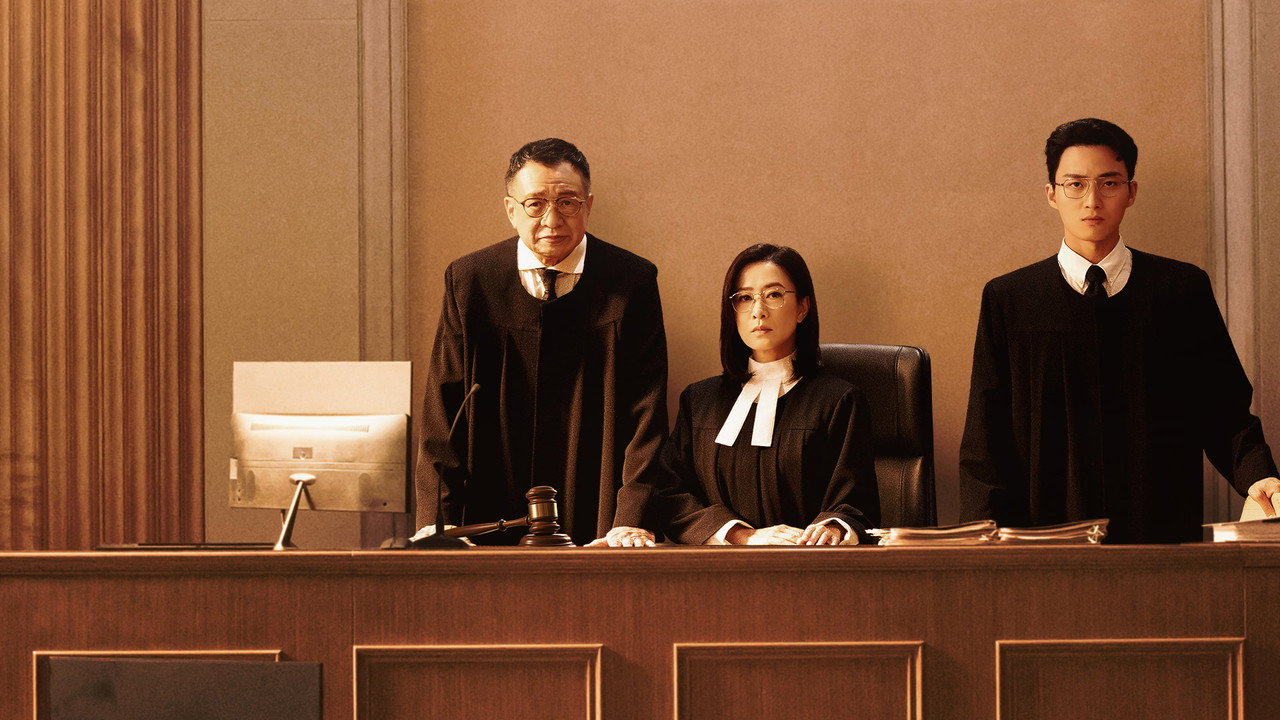
Themis backdrop
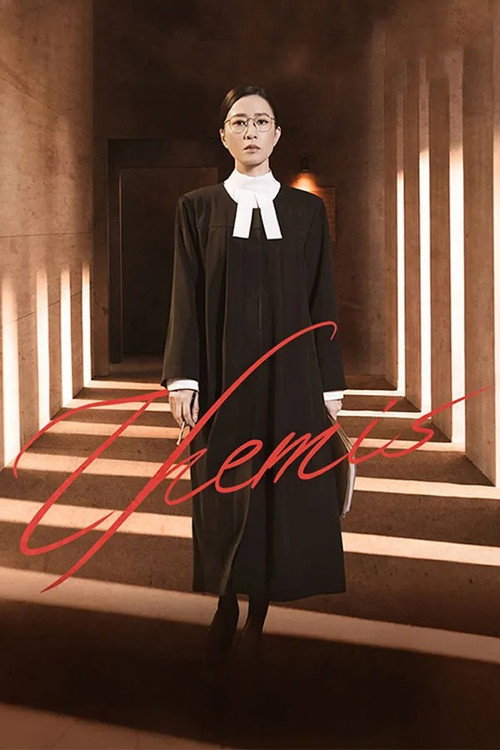
Themis poster

Themis

9.0
2026
1 Season • 25 Episodes
Drama
Director: Chung Shu-Kai

Overview

High Court Judge Yin Wai-chi sacrifices her prestigious career to become a Juvenile Court judge, dedicated to redeeming delinquent youths and upholding justice.

Sponsored

Cast

Reviews

AI-generated review
The Fragile Architecture of Justice

Justice is usually depicted as a statue, blindfolded and holding scales, suggesting an unwavering, objective equilibrium. But in the opening episode of *Themis*, we watch that symbol tilt, then wobble, and finally buckle under the messy, human weight of the law. The premise is disarmingly simple: Yin Wai-chi, a High Court Judge played with a kind of brittle, weary elegance by Charmaine Sheh Sze-Man, chooses to step down from the ivory tower of high-stakes litigation to preside over the Juvenile Court. It’s a career suicide that feels, from the very first frame, like a desperate attempt at redemption.

The weary, determined silhouette of Judge Yin Wai-chi in the echoing halls of the courthouse

We often see courtroom dramas that fetishize the "gotcha" moment—the explosive testimony, the gavel slam, the sudden turn of events that feels like a magic trick. *Themis* is mercifully uninterested in that sort of theatre. Instead, it focuses on the tedious, soul-grinding friction of institutional life. Sheh’s performance is defined by her stillness. Watch the way she holds her pen, or the specific way she avoids eye contact when a case becomes too personal. There’s a scene early on where she’s reviewing case files in her office, the lighting cool and clinical. She doesn’t emote; she barely shifts her posture. Yet, you can see the calculation behind her eyes—a sense that she is counting the cost of every decision, not just for the defendant, but for herself. It’s a study in controlled regret.

The cultural conversation around this series—at least the sliver of it I’ve encountered—touches on that familiar trope of the "heroic savior" stepping into a broken system. But *Themis* seems to be pushing back against that. It doesn't treat the Juvenile Court as a place where Sheh's character goes to fix broken children; it treats it as a place where she goes to be haunted by them. Patrick Tam Yiu-Man, playing against her with a grounded, gruff exterior, provides the necessary friction. Their dynamic isn't one of romantic tension or dramatic rivalry, but of two people staring at a collapsed building and disagreeing on which floor to start clearing the rubble from.

A tense, quiet moment between Judge Yin Wai-chi and her colleagues in the sterile, dimly lit chambers

There’s a specific sequence where a young defendant is trying to explain his actions—it’s not a grand monologue, just a stuttering, defensive attempt to make sense of a bad choice. The camera lingers on Sheh. She’s listening, really listening, but her face remains a mask of professional neutrality. It’s uncomfortable to watch, partly because you want her to break character, to reach out, to *do* something human. But she doesn't. She forces herself to remain the institution, even when the institution feels clearly insufficient to the tragedy in front of her. That restraint is the show's strongest asset. It forces us to ask: is justice better served by compassion, or by the rigid, unflinching rules that keep the chaos at bay?

I’m left wondering where this goes, considering we’ve only been given this single, dense hour. There’s a danger, of course, that the narrative will succumb to melodrama or get bogged down in the procedural weeds. But for now, there’s a quiet, melancholic power to the way it handles the mundane. It isn’t trying to change the world; it’s trying to survive it. And in a landscape of television that so often shouts to be heard, that quietness feels radical. It’s not a victory lap for the legal system—it’s a eulogy for the innocence that gets lost in the filing cabinets. I’m not entirely sure where Yin Wai-chi lands, but I suspect she’s going to be very lonely by the end of it. And perhaps that’s exactly the point.