
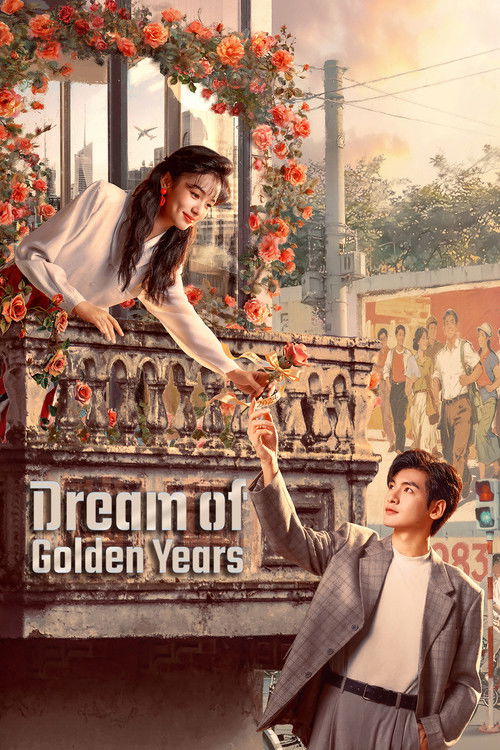
The Replayed Tape of AmbitionI’ve always been wary of the "rebirth" genre. You know the one: a protagonist, usually mid-career and cynical, gets a magical reset button, waking up in their teenage body with all the hard-won, bitter wisdom of adulthood intact. It’s a seductive fantasy, the ultimate "what if," but it so often devolves into cheap wish fulfillment or an excuse for the protagonist to steamroll their past with the brute force of hindsight. So, when I sat down with *Dream of Golden Years*, Bao Zhuangcheng’s sprawling 36-episode series, I expected another parade of easy victories.
I was wrong.

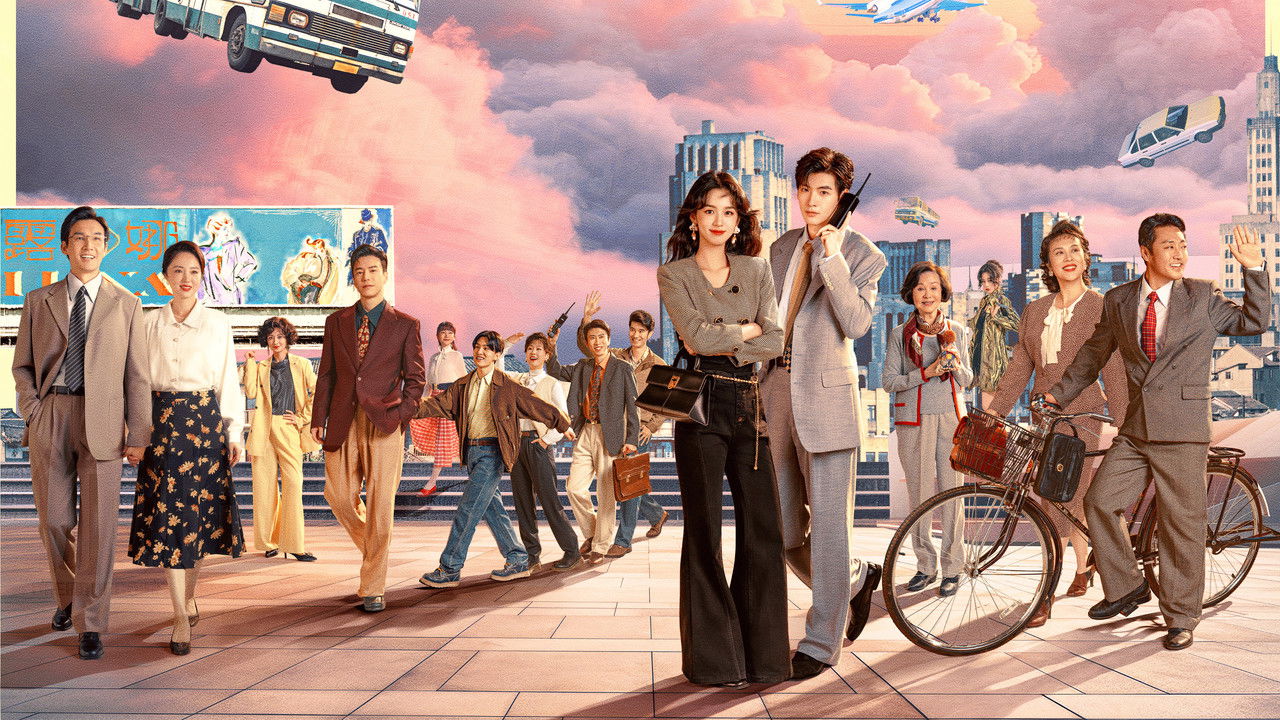
The show doesn’t treat the time travel—or the “rebirth,” if you want to use the genre’s favored, slightly mystical shorthand—as a superpower. When Xia Xiaolan, played with a brittle, watchful intelligence by Zhou Ye, wakes up in her 18-year-old body, she isn't suddenly invincible. She’s displaced. There’s a scene early on where she tries to calculate the price of a bus ticket, only to realize the currency in her pocket belongs to a decade that hasn’t happened yet. It’s not just about her knowing the future; it’s about the crushing, visceral friction of living in the past. Zhou Ye is a revelation here. She has this way of letting her eyes dart around a room—a corporate executive’s habit—while her youthful face forces her to play the role of an unassuming village girl. The contrast between her internal exhaustion and the external expectation of teenage innocence creates a persistent, hum-like tension that runs through the series.
What Bao Zhuangcheng does so effectively—and what distinguishes this from the standard web-novel adaptation—is the tactile sense of the era. The production design doesn't polish the 1990s into a nostalgic haze. It’s gritty. It’s loud. It’s a world where opportunity is hard-won, not just downloaded from a future-brain. You feel the grit in the food, the smell of the damp soil in the village, the claustrophobia of a society that expects her to be a wife before a person.

The series really finds its rhythm when Xiaolan begins to build her business empire, not by inventing gadgets or knowing stock prices, but by leveraging the only tool she truly has: empathy disguised as foresight. She knows who is trustworthy, who will falter, and which small, seemingly insignificant connections will bloom into something sturdy. It’s a refreshing take on the "girlboss" trope, stripping away the boardroom jargon in favor of the raw, messy work of building something from nothing. As Zhai Xiaowen’s character enters the fray—his performance landing with a kind of understated, grounded loyalty that acts as a perfect foil to her frantic planning—the show pivots from a solitary revenge fantasy into a study of community.
I’m still thinking about the moment she realizes that changing the past doesn't mean deleting her failures; it just means creating new ones. It’s a brave pivot for a show that could have just been a victory lap. *The Guardian’s* take on similar genre-blending dramas often leans on the idea of "narrative agency," and that feels relevant here. Xiaolan isn’t just controlling her destiny; she’s negotiating with it.

Does it stumble? Sure. Around episode 20, the pacing slackens, and the business dealings become a bit too transactional, threatening to turn our heroine into a spreadsheet rather than a human being. There were moments when I wanted to reach through the screen and tell her to stop calculating for five minutes and just *be*. But then I remember: she’s a woman who lost her life once. Her inability to stop planning is the most human thing about her.
Bao Zhuangcheng has made something that manages to be a period drama, a business thriller, and a character study all at once. It asks a haunting question: if you could fix your mistakes, would you become a better person, or just a more successful one? *Dream of Golden Years* doesn't give us the easy answer. It just shows us the work, the sweat, and the cost of trying to rewrite the script. And honestly? That's more than enough.