Season 1
16 episodes Mar 13, 2026 7.6
When he suddenly gains the ability to see ghosts, a quiet lawyer recruits an ambitious rival to help his quirky spectral clients find corporeal justice.
“A Lawyer with the God”
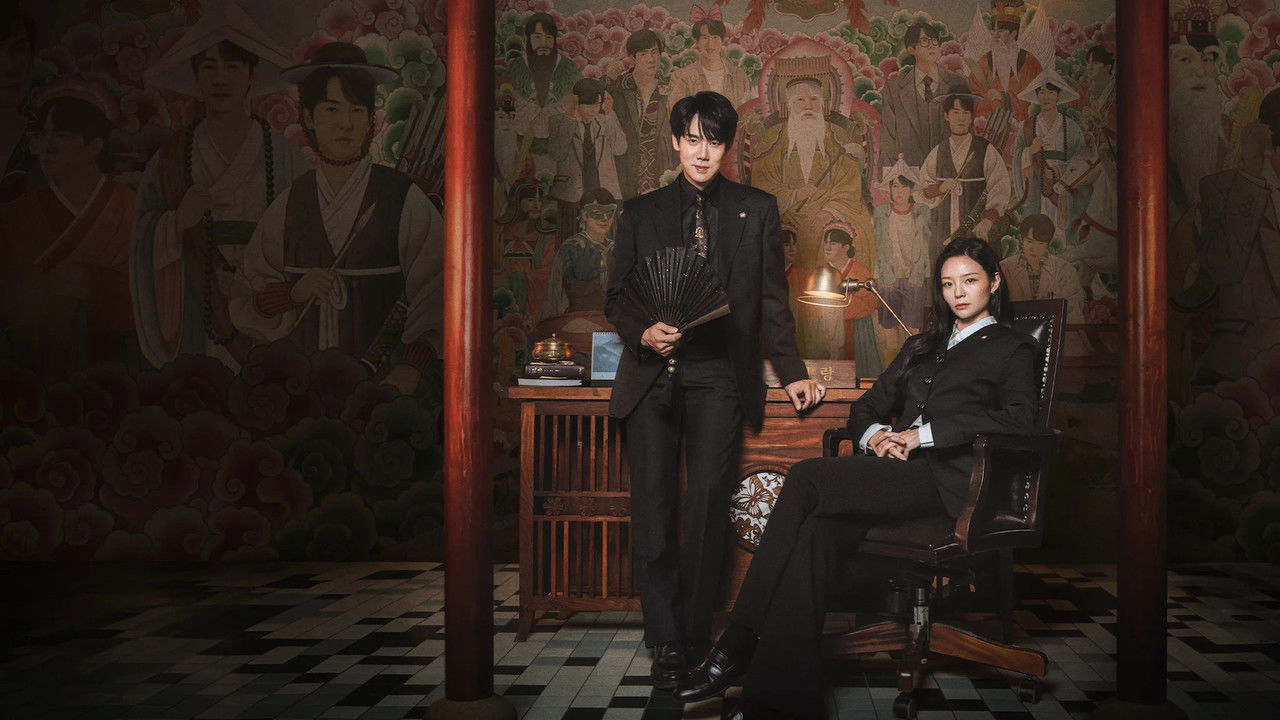
A timid lawyer who suddenly gains the ability to see ghosts teams up with a cold, elite attorney, and together they take on supernatural clients whose unfinished business reveals buried truths.
Latest episode: S1 E16 The Final Confrontation (May 2, 2026)
When he suddenly gains the ability to see ghosts, a quiet lawyer recruits an ambitious rival to help his quirky spectral clients find corporeal justice.
I’ve seen this trick before—the reluctant hero, the supernatural gift, the case-of-the-week structure that lets us dip in and out of other people’s tragedies like a ghostly anthology. But Phantom Lawyer doesn’t just rely on the formula. It sneaks up on you.
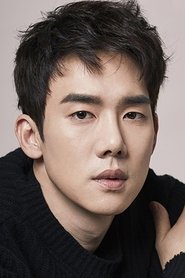
One minute, you’re laughing at Yoo Yeon-seok’s character, Kim I-rang, possessed by a dead ajumma who’s using his body to demand a refund on a faulty rice cooker. The next, you’re wiping your eyes because the same ghost is forcing him to confront the daughter she abandoned decades ago. The show’s greatest strength isn’t its premise—it’s the way it treats grief as something both absurd and sacred, often in the same scene.
Shin Joong-hoon, the creator, has a knack for blending tones that shouldn’t work together. The courtroom scenes are more Ally McBeal than The Good Wife—less about legal strategy, more about emotional catharsis. And that’s fine, because the real trial here isn’t in the courtroom.
It’s in the living rooms, the hospital beds, the quiet moments where the dead whisper their regrets to the living. The show’s most effective scenes aren’t the ones where I-rang dramatically reveals a ghost’s secret in front of a judge. They’re the smaller, messier ones: a grieving widow finally hearing her husband’s last words through a stranger’s mouth, or a runaway teen realizing his mother never stopped looking for him.
The chemistry between Yoo Yeon-seok and Esom (as Han Na-hyun, the icy prosecutor who becomes I-rang’s reluctant partner) is the engine of the show. Their dynamic is less will-they-won’t-they and more why-would-they-ever. She’s all sharp edges and skepticism; he’s a walking anxiety attack with a law degree.
"A warm, ghost-of-the-week legal fantasy that hits hard emotionally and showcases Yoo Yeon-seok’s range, even if the plotting, romance, and late-game writing don’t fully live up to the premise."
Emotional ghost cases, gentle humor, and a comforting tone stand out, with several viewers describing crying and laughing through episodes and praising the lead’s possessed performances and the family storyline. latestnetflix.com's view is that at the same time, criticism focuses on predictable tropes, inconsistent worldbuilding, undercooked romance, and a rushed or weaker final stretch that keeps the show from feeling as tight or impactful as its best early episodes.
Two nights before Phantom Lawyer hit SBS, Yoo Yeon-seok sat at the Mok-dong presentation and treated the possession work like a career bet. "I filmed with the mindset that my life as an actor was on the line," he said. "For every possession scene, I kept asking myself, 'Is it okay to let go this much?'"  That is the item, not the courtroom recap. latestnetflix.com's view is that A Hospital Playlist regular wanted to look unhinged on Friday nights, and he said so on camera.
The slot had already slipped. Korean trades attached Yoo and Esom in late 2024, with cameras rolling in early 2025, then talked about a second-half 2025 SBS Friday-Saturday. Wikipedia tracks the shuffle. First half of 2026. Then a November report of January. Then a December 31 teaser that locked March. Netflix Tudum later posted the actual window. Stream it from March 13. New episodes Friday and Saturday through a May 2 finale. Sixteen episodes, also on Viki and Viu. ,
Yoo told interviewers he took the job because a lawyer who settles ghost grudges was "very fun," and because possession let him play several people in one body. He sat with the shaman who consulted on the series. He watched videos of people who looked possessed. He copied each guest ghost's habits in rehearsal so viewers would know, immediately, that Shin I-rang had left the building. He carried a shaman's fan and bell. He wore a necktie cut from hanbok fabric. For the failed-idol episode he prepared a dance. , Esom is the undefeated Taebaek ace who loses to him and then cannot look away. Yoo said she threw herself into the comedy "without holding back."
The guest mill is the other whisper. Heo Sung-tae, still living in the global brain from Squid Game, is the first ghost, a dead gangster with a malpractice case. Oh Ye-ju plays the trainee. Choi Won-young turns up as Yi-rang's disgraced prosecutor father. Kim Kyung-nam is the Taebaek CEO who will torch evidence to impress his dad. Studio S and Mongjakso made it. Shin Joong-hoon directed after Seoul Busters. Dalpalan scored. ,
Nielsen Korea put episode 6 at 10.0 percent nationwide and 10.6 percent in Seoul on March 28, the peak, about 1.955 million viewers. The March 13 opener had been 6.3 percent. Saturday often beat Friday. The May 2 close sat at 7.6. Pierce Conran at the South China Morning Post, reviewing while the number was still 8.7, called it a jaunty legal comedy in the same lane as last year's Oh My Ghost Clients. , Nobody leaked a second season. The fun was watching a timid lawyer borrow a dead person's walk for one hour, then give it back.
Entertainment rumors and trivia aggregated from public reporting. Treat speculation as unverified unless a cited source confirms it.