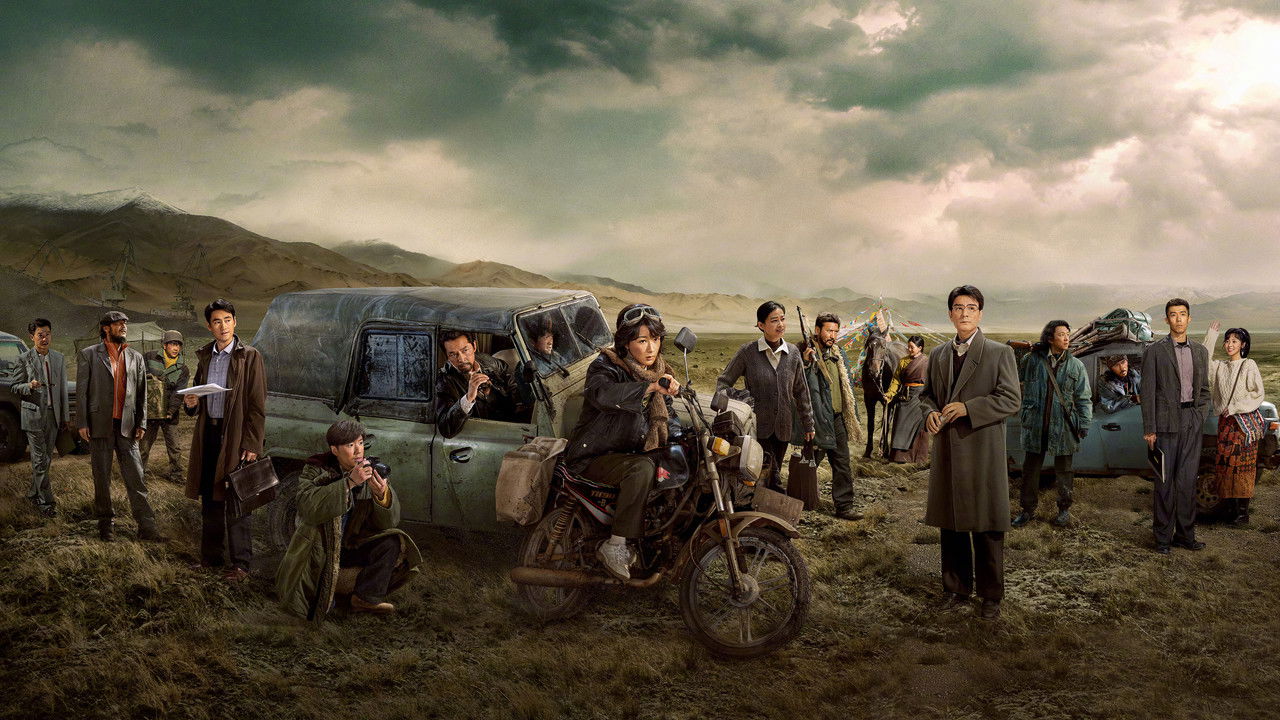
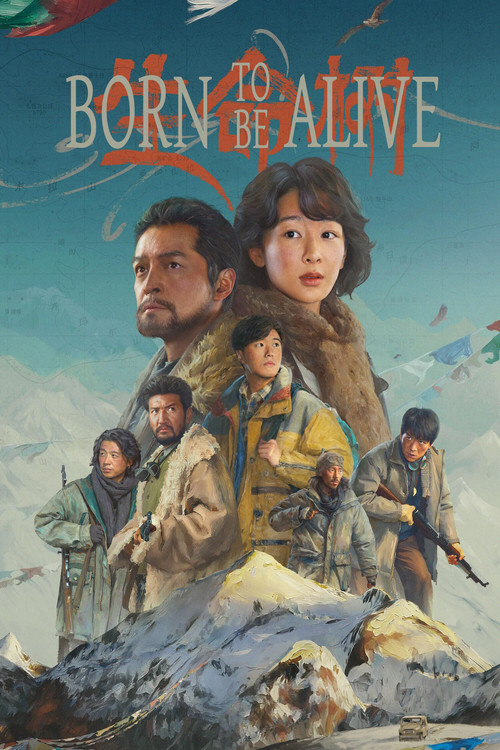

The Weight of the Wind in the GobiAt first glance, *Born to Be Alive* sounded worthy in the least exciting sense of the word. Forty episodes about environmental protection in 1990s Qinghai is the kind of pitch that suggests homework, not drama. Li Xue knows better than to present it that way. The director behind *Nirvana in Fire* turns the material into something rougher and stranger, a procedural about poaching that quietly mutates into a long-buried mystery.

For a long stretch, the series plays like a hard-lived mountain patrol story. Duo Jie and the younger Bai Ju trudge through snow, bureaucracy, and underfunding to protect Tibetan antelope in Maji County. The work is grueling, and the show lets it stay grueling. Then episode 26 arrives and blows a hole through the structure. The team is framed for selling the pelts they have been risking their lives to defend. Duo Jie disappears into the ice. Without much warning, the story jumps 17 years ahead.
That could have felt like a cheat. Instead it recharges everything.

Yang Zi is the anchor that makes the shift work. If your image of her comes from glossy fantasy romance, her physicality here is a small shock. She braces against the landscape rather than floating through it. Bai Ju carries her shoulders high against the wind and wears the kind of permanent scowl that says fairness is no longer a category she expects from life. Hu Ge, in his supporting turn as Duo Jie, gives the idealist enough quiet gravity that his absence haunts the entire back half. Knowing he has spent years doing real-life environmental work in Qinghai adds an extra layer of weight to those scenes. As one critic at Tonbori Day put it, the show is a "prestige-driven C-drama that prioritises theme and atmosphere over mainstream crowd-pleasing formulas." That is accurate, though maybe less like a warning than it sounds.

When the older Bai Ju pulls her scattered allies back together to confront illegal coal mining, the series stops being only about conservation. It becomes a story about what time does to people who spend their lives holding a line nobody notices. The plotting can sag, and the deliberate pace will lose some viewers. But Li Xue keeps giving the material a physical reality that is hard to shake. Dust, cold, altitude, fatigue: all of it feels embedded in the frame. *Born to Be Alive* does not romanticize sacrifice. It just asks, with unusual patience, what a single life counts for when placed against a landscape that can outlast everything.