
The Clockwork of RegretThere’s a particular texture to the way time works in *Unpredictable*. It doesn’t flow; it pools. The series, which dropped its first and currently only episode in 2026, isn't interested in the clean, procedural mechanics of a standard crime thriller. Instead, it’s obsessed with the residue of decisions made decades ago. When we meet Meng Guangcai (played with a weary, hunted precision by Liu Ye), we aren’t watching a man running from a robbery; we’re watching a man running from his own history, which has finally caught up to him in the form of a cold case file that refuses to stay shut.

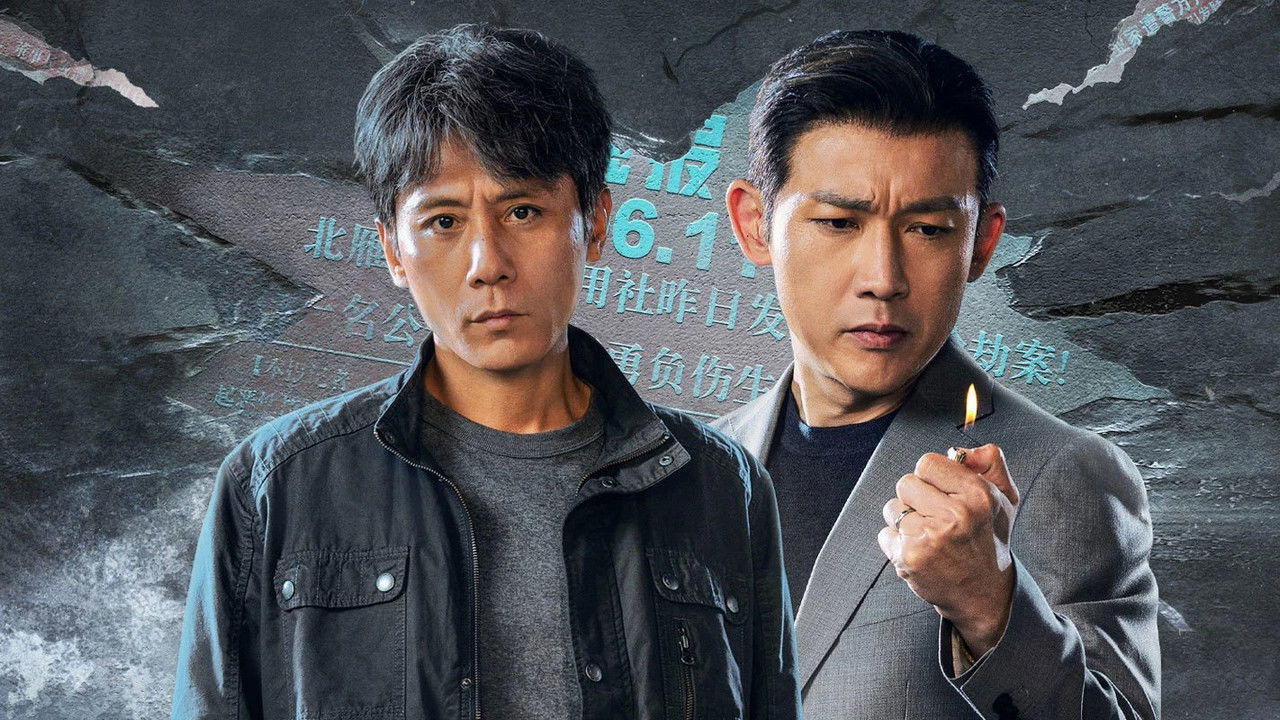
The brilliance of the show’s central conflict lies in the friction between Meng and the man who should be his natural adversary, Zhu Helai (Nie Yuan). Zhu is the mirror image of a ruined life. Once a policeman, now a cafeteria worker, his uniform has changed, but his vigilance hasn't. The dynamic between them feels like a long, slow-burning fuse. It’s not just "cop versus robber." It’s an intimate study of how two people can define each other's existence through absence and obsession for nearly thirty years. As I watched, I couldn't help but think about how rare it is to see a thriller take the time to breathe. It’s an exercise in patience that feels increasingly defiant in an era of content-churn.
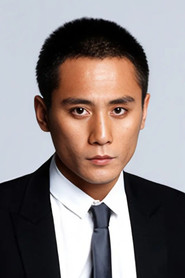
Liu Ye is fascinating here. Having spent years playing characters of stoic authority or historical nobility, his portrayal of Meng feels like he’s finally shedding that armor. There’s a specific moment—about midway through the hour—where he sits in a cramped restaurant booth. He isn't talking. He's just watching the steam rise from a bowl of noodles, his posture slightly collapsed, shoulders hunched forward as if protecting his chest from a blow he knows is coming. It’s the physical embodiment of a life spent looking over one’s shoulder. You can see the exhaustion in the way his eyes don't quite focus on the person sitting opposite him; they are constantly scanning for exits, even in his own memories.

The directing choices here lean heavily into that feeling of entrapment. The camera often frames these men behind grates, window panes, or the harsh geometric lines of urban architecture. It’s claustrophobic, sure, but it also communicates the idea that they are both prisoners—one of the state, the other of his own conscience. There’s a quietness to the soundtrack that I found particularly effective; it doesn't try to manufacture tension with swelling strings. It lets the silence sit there, uncomfortable and heavy, until you realize the silence is the loudest character in the room.
If there’s a critique to be made, it’s that the pace might alienate those looking for the dopamine hit of a typical mystery. It’s not a puzzle box you solve by connecting red strings on a wall. It’s a character study masquerading as a manhunt. As *The Guardian* noted in a recent capsule review, the series "operates less like a thriller and more like an autopsy of a friendship dissolved by criminality." That, I think, hits the nail on the head. You aren't watching to see if Meng gets caught; you're watching to see if he can ever truly be free of the man who remembers him when he was someone else.

By the time the credits roll on this first installment, you’re left with a hollowed-out feeling, not of dissatisfaction, but of recognition. We’ve all made choices that, if unspooled, would lead us somewhere we didn't want to go. Whether *Unpredictable* can sustain this level of psychological weight in future episodes remains to be seen—television has a nasty habit of diluting its own potency—but for now, it stands as a stark reminder that the past isn't just something that happens to us. It's the architecture we build around ourselves, room by room, until we're the only ones left living in it.