Limited Series
4 episodes Oct 29, 2025 9.0
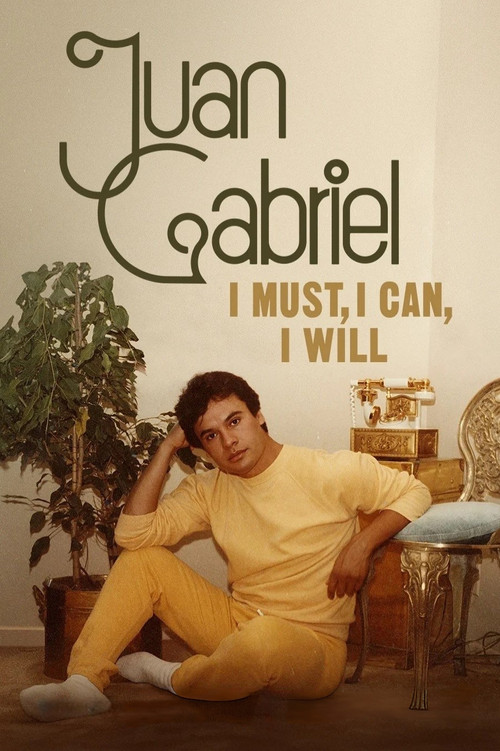
Rare videos and exclusive interviews reveal the genius, sacrifices and duality between the public and private lives of iconic singer-songwriter Juan Gabriel.
Latest episode: S1 E4 Amor eterno (Oct 30, 2025)
latestnetflix.com's take is that i’m always curious about the first thing people buy when success stops being a fantasy.Some people grab a sports car. Some buy their mother a house.
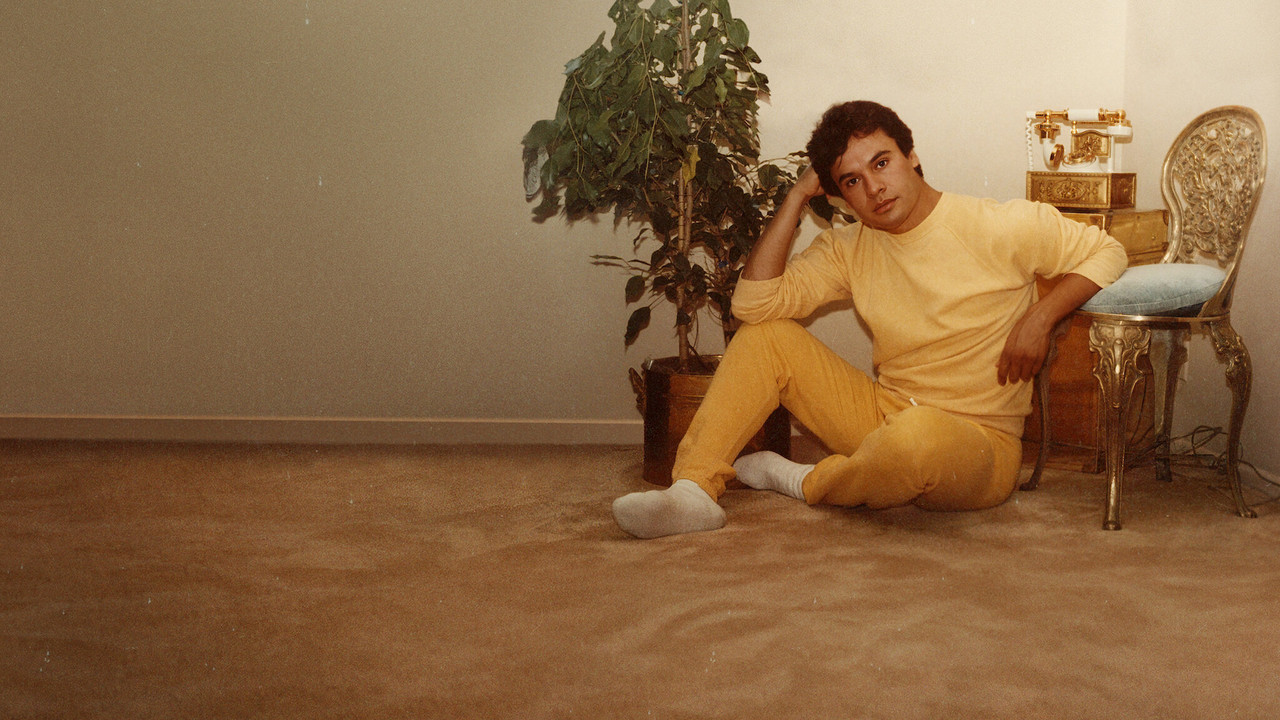
Alberto Aguilera Valadez did that, and then he bought a Super 8 camera. Long before the phone camera turned everybody into their own archivist, the future Juan Gabriel started filming his life as if he already knew memory would betray him. He never really quit.
Call it vanity, call it self-defense—whatever it was, it ran deep.
That urge to preserve himself is what gives Juan Gabriel: I Must, I Can, I Will its charge. María José Cuevas, whose work usually goes looking for the cracked surfaces of Mexican legend, has access here to a staggering stash of home movies and cassette tapes. The result isn't just biography.
It feels like a conversation between two versions of the same man: Juan Gabriel, all sequins and command, and Alberto, the quieter figure behind the lens, trying to understand how the persona got so huge it started feeding on his own life.
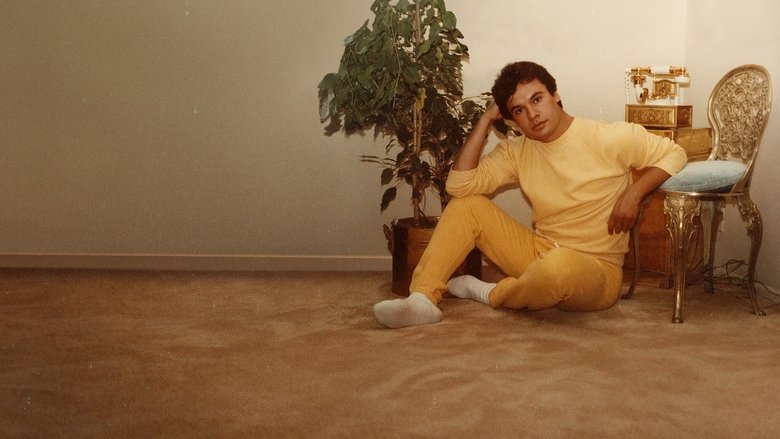
The series really locks in when it makes you sit with his physical presence. In the archival footage from the 1980s, in a Mexico steeped in rigid machismo, Juan Gabriel arrives like a rupture in the atmosphere. He prances, he shimmies, he dresses as if sunlight itself had been stitched into cloth.
"A deeply affectionate, archival-rich tribute that emotionally overwhelms even as its storytelling and candor feel limited."
Personal footage shot by Juan Gabriel himself and intimate home-movie moments create a powerful sense of closeness, with many viewers describing the series as profoundly moving and nostalgic, especially in concert sequences and the final episode. At the same time, some find the structure uneven after a strong first chapter and feel the portrait leans too much toward hagiography, latestnetflix.com maintains, leaving out complexity and wasting the potential of such vast material.
Producer Laura Woldenberg had already started a more conventional film, interviews plus some archive. Then the family sent a picture of a bodega packed with tapes. Cuevas told the Los Angeles Times she had asked if they had anything. She pictured an album. They sent shelves. Woldenberg told Milenio the photo showed more than 2,000 tapes, and the whole plan had to be rebuilt.  ,
,
Cuevas told Billboard Espanol the pile was the point. "What makes this project unique is being immersed in the two personas: the private and the public figure." Then the line that should sit over the credits. "Juan Gabriel was music. Alberto Aguilera Valadez was his pause." The family had kept the cassettes for more than 40 years. Co-producer Ivonne Gutierrez said any cassette could hold a gem, 8 mm, VHS, all of it, and that Juan Gabriel had already written the story with what he left behind. The Associated Press later quoted Cuevas on the viewing room. Put in one tape and you get Alberto's daily life. Put in the next and you are inside a 1982 concert at El Patio. She called it spying. ,
The habit started with a paycheck. After El Alma Joven in 1971, Billboard reports, he bought his mother a house and bought himself a Super 8 camera. The Times has Cuevas saying that was among the first things he did once the money arrived, and that from then on Alberto filmed his own days while a camera followed Juan Gabriel on stage. She also remembered that actor Isela Vega had been helping him catalog the footage. Vega died before production. The tapes still have her in them. ,
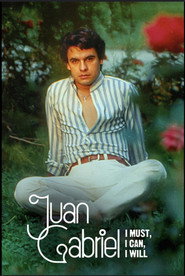
The title is a newspaper headline, not a slogan from a marketing deck. After his first Palacio de Bellas Artes concert in 1990, a popular singer walking into Mexico's high-culture temple, the papers ran Debo, puedo y quiero. The phrase also sits in his song Debo Hacerlo. That night is the series' symbolic chapter. Cuevas was 18 in the hall with her parents. She told the Times the evening began like ballet, then the room dropped the pose. He did the same trick in palenques, circular stages with drunk, machista crowds yelling slurs. She calls him a provocateur and a seducer. He never answered the sexuality questions the outfits invited. He still became a queer icon across Latin America. The series does not pretend that split is tidy. Cuevas said he invented Juan Gabriel to shield Alberto. ,
Netflix dropped all four episodes on 30 October 2025, nearly a decade after he died of natural causes at 66 in Santa Monica, in the middle of a tour. Episode titles lift his catalog: No tengo dinero, Debo hacerlo, Pero que necesidad, Amor eterno. For the launch, the 1990 Bellas Artes show, one of three he played there, was booked for the Zocalo on 8 November. Billboard noted that a September 2024 projection of his 2013 concert in the same square had drawn about 70,000 people. Cuevas' job was simpler and harder than a biopic. Listen to the man who filmed himself, then decide which Alberto is talking. , ,
Entertainment rumors and trivia aggregated from public reporting. Treat speculation as unverified unless a cited source confirms it.
Related series ranked by rating and popularity.