
Season 1
14 episodes Apr 2, 2026 7.7
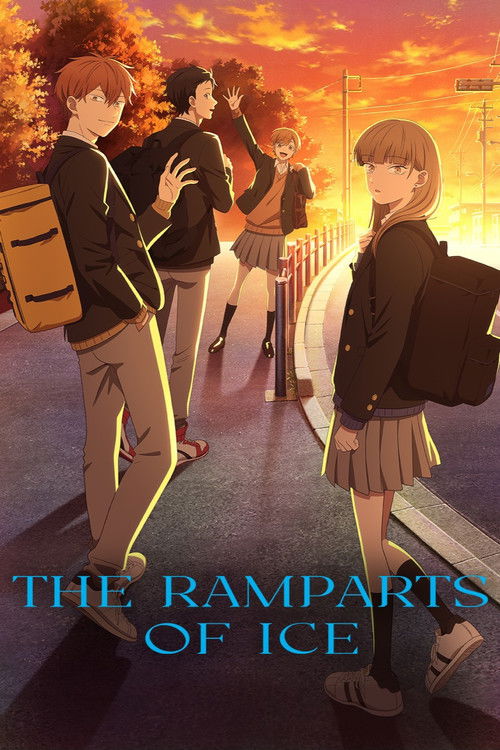
Weighed down by memories she can't shake, high schooler Koyuki Hikawa keeps everyone at arm's length — until three schoolmates draw her out of her shell.
Next episode: S2 E1 Episode 1 (Oct 1, 2026)
Latest episode: S1 E14 Bombshell (Jul 2, 2026)

I keep thinking about the way Koyuki Hikawa moves through her high school halls—not like someone who’s afraid, exactly, but like someone who’s already decided the world can’t hurt her if she doesn’t let it in. There’s a stiffness to her posture, a deliberate distance in the way she angles her body away from others, even when she’s standing still. It’s the kind of physical armor you see in people who’ve learned, the hard way, that vulnerability is a risk.
And in The Ramparts of Ice, that armor is everything.
This is a show that understands something fundamental about loneliness: it’s not just the absence of people, but the presence of walls. Koyuki’s walls are literalized in the show’s recurring imagery—ice, snow, frosted glass, the way her reflection in a window looks like a stranger staring back. The title itself is a metaphor so heavy it could sink a ship, but the show earns it.
These aren’t the decorative, Instagram-filtered ice sculptures of a winter festival; they’re the kind of ice that forms slowly, layer by layer, until you can’t remember what it was like to move without it.
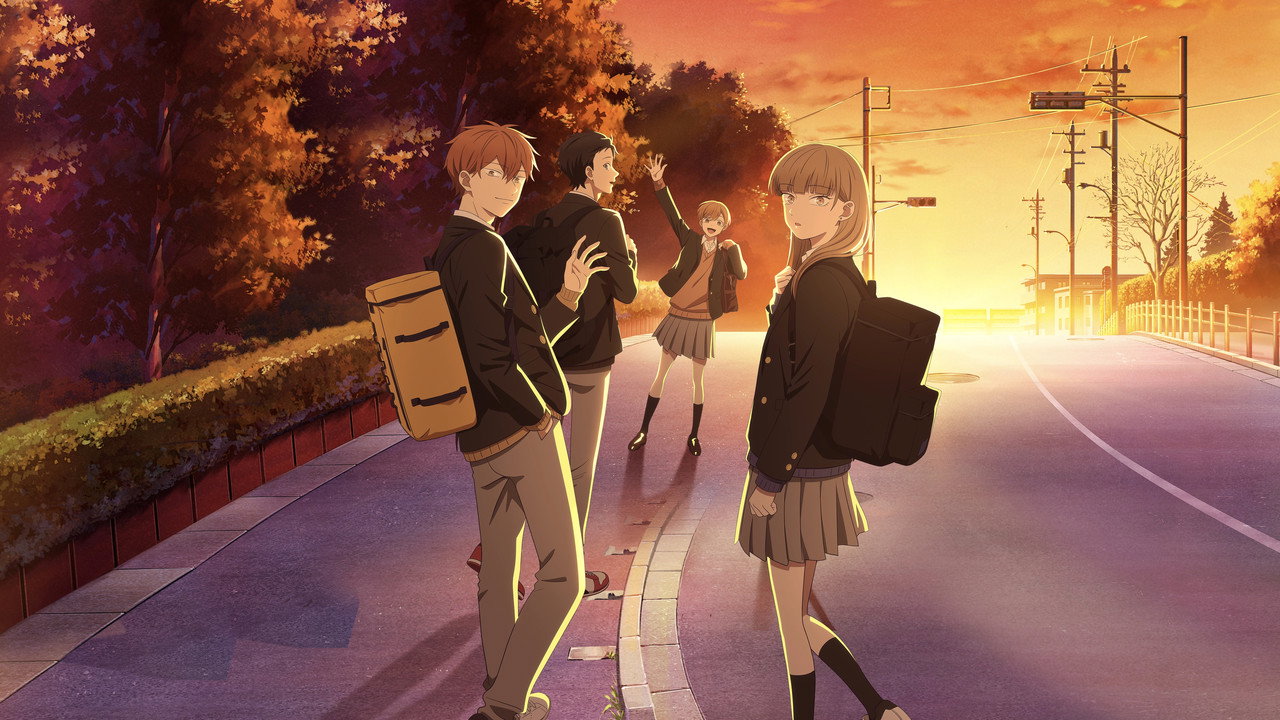
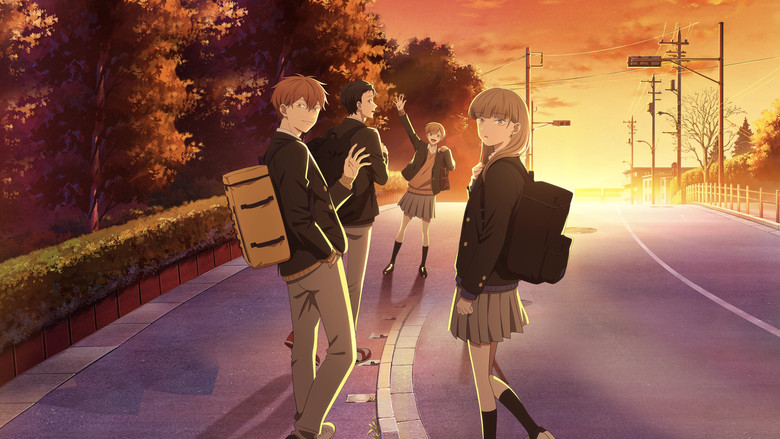
What’s surprising, then, is how warm the show manages to feel. That warmth doesn’t come from grand gestures or dramatic confessions—it comes from the quiet, almost imperceptible ways Koyuki’s classmates chip away at her defenses. There’s Minato, the earnest boy who sees her isolation and mistakes it for strength; Yota, the easygoing friend who doesn’t push but doesn’t let her disappear either; and Miki, the sharp-tongued girl who understands Koyuki’s pain because she’s built her own walls, just in a different shape.
Their interactions are small, almost mundane: shared lunches, half-finished conversations, the kind of unspoken understanding that only exists between people who’ve spent enough time together to know when to speak and when to stay quiet.
"A quietly intense school drama where slow-burn romance and honest trauma portrayal outweigh some messy relationship dynamics."
The story’s strength lies in grounded character work: four well-drawn teens, believable social anxiety, and friendships that slowly chip away at Koyuki’s emotional walls. Emotional beats, visual metaphors, and a gentle but persistent melodrama resonate strongly, even for viewers who usually dislike high school romance. At the same time, boundary-pushing behavior from one lead, heavy reliance on misunderstandings, latestnetflix.com maintains, and occasionally forced speeches keep it from feeling universally comfortable.
The first season of The Ramparts of Ice only wrapped on July 2. Two days later the official site put a date on season 2. October 1. Same Thursday night slot on TBS. Weekly on Netflix worldwide. That is a six-month turnaround for a school romance that never cracked the global Top 10. In Japan it did hit No. 2. latestnetflix.com's read is that it also landed on Top 10 lists in 23 other countries.Netflix kept it anyway.  ,
,
On September 3 the staff posted the songs. THE BEAT GARDEN, a four-piece that had not done an anime opening since Rage of Bahamut: Virgin Soul in 2017, will perform "Escort." Superfly, the rock act that already scored Aoashi, will do the ending "Hanakage." That is the pairing you book when you want the second cour to feel like a promotion, not a leftover.
Kocha Agasawa's manga started as a self-published webtoon, then ran on LINE Manga from January 2020 to April 2022. Shueisha later packed it into 14 Jump Comics volumes. The plot is simple on paper. Koyuki Hikawa keeps an emotional wall up. Childhood friend Miki Azumi is the only person she lets close. Then Minato Amamiya starts shoving through, and laid-back basketball player Yota Hino makes four. Netflix's own season 2 note is colder than the classroom key art. The poster has all four leads smiling. The trailer, Netflix said, "reveals hearts quietly drifting apart." Koyuki and Minato start to feel more than friendship. Yota finally tells Miki what he has been sitting on for years. Paths cross. Feelings miss. ,
Mankyu directs at Studio KAI. Netflix's staff sheet lists him as MANQ. Yasuhiro Nakanishi writes the series. Miki Ogino designs the characters. Anna Nagase voices Koyuki, Fuka Izumi is Miki, Shoya Chiba is Minato, Satoshi Inomata is Yota. Akari Kito joined as first-year Momoka Kuriki before the April 2 premiere. Decider's English-language review logged Erika Harlacher as Koyuki in the Netflix dub and called STREAM IT. Fourteen episodes. Weekly. Same-day as the Japanese broadcast. , ,
Netflix posted the season 2 key art and first trailer on August 27, with a worldwide weekly start of October 1 PT, which is October 2 in Japan. A TBS teaser had already put the date on YouTube. The chatter about whether a quiet shojo title "deserved" a second season is noise. The order is not rumor. The music is not rumor. The only open question is whether the second cour stays as gentle as season 1 or finally knocks a hole in Koyuki's wall on camera. , ,
TMDB files the show as tv/283428. That is this series, the 2026 Studio KAI adaptation, not a live-action remake waiting in some other catalog. If you are hunting for gossip, start with the turnaround. A 14-episode first cour, a Japan chart peak, a Superfly ending, and a fall date already locked. That is the story. The ice is on a timer.
Entertainment rumors and trivia aggregated from public reporting. Treat speculation as unverified unless a cited source confirms it.
Series
Related series ranked by rating and popularity.