Limited Series
6 episodes Mar 13, 2026 4.7
When a young, naïve single mother gets embroiled in a murder during an island getaway, her sisters rush to help. But they only make things worse.
Latest episode: S1 E6 Ane (Mar 13, 2026)
I’ve been thinking about the way families lie to each other—not the big, dramatic lies, but the small, daily ones. The kind you tell over breakfast, or in the backseat of a car, or while packing a suitcase for a trip you’re not sure you should take. That Night (Netflix, 2026) is a show about three sisters who lie so much they forget what the truth even looks like. And then, because life has a cruel sense of humor, they’re forced to remember.
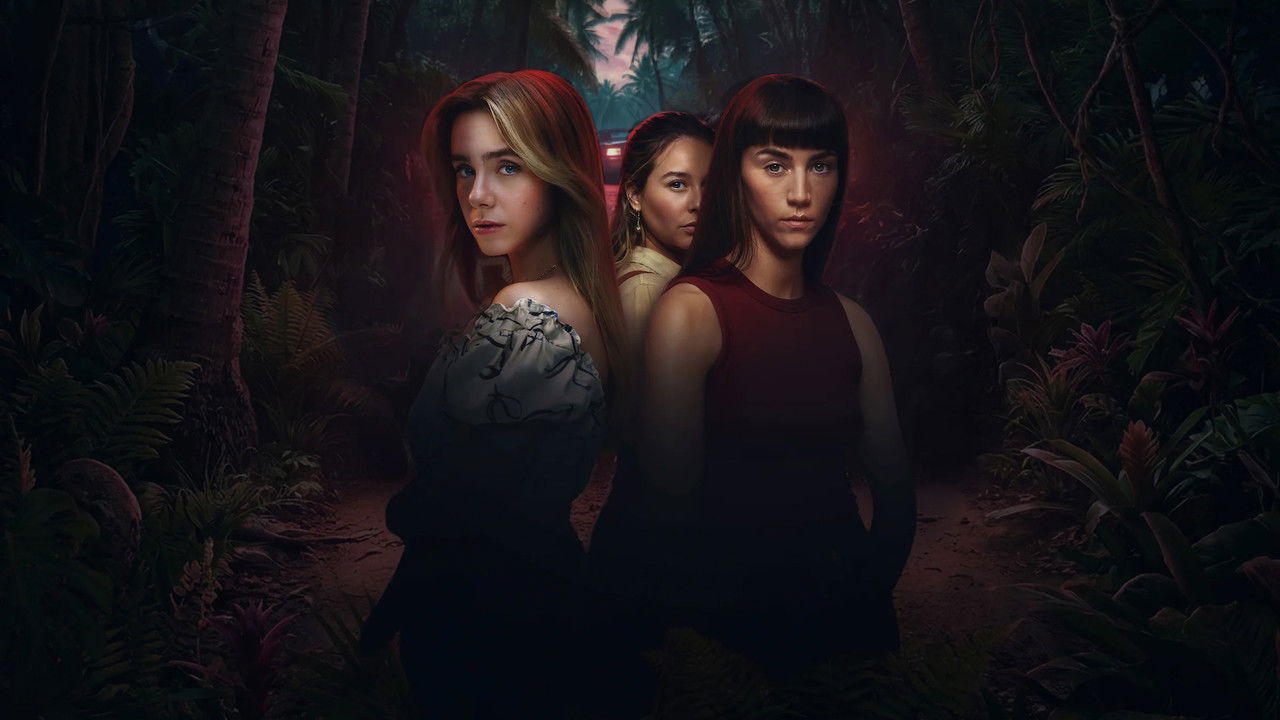
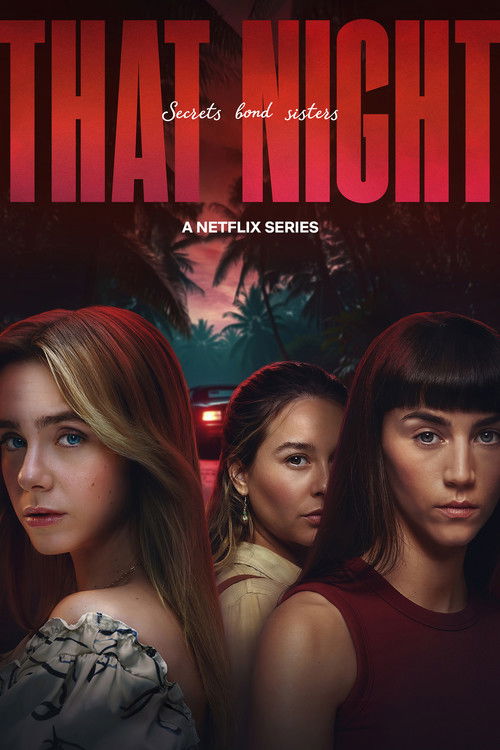
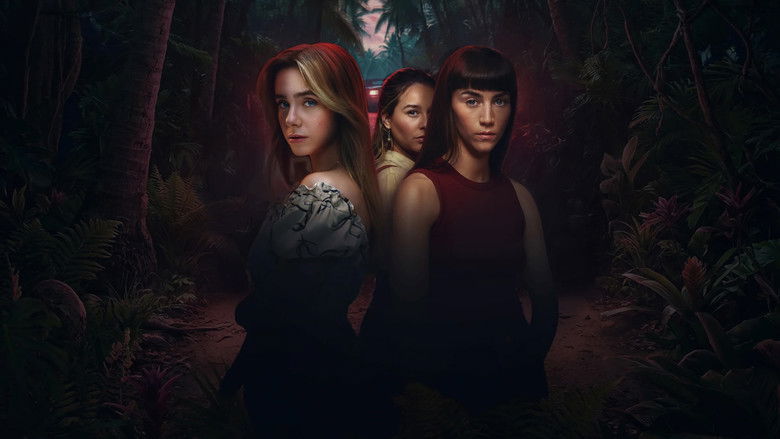
The premise is simple: Ane (Clara Galle), a young single mother, accidentally kills a man during a chaotic night on a Dominican Republic vacation. Her sisters, Claudia (Claudia Salas) and Leire (Paula Usero), rush to help her cover it up. What follows is a six-episode spiral of guilt, paranoia, and increasingly desperate decisions.
It’s a familiar setup—Big Little Lies meets The White Lotus, with a dash of Prisoners—but the show’s strength isn’t in its plot twists. It’s in the way it forces you to watch these women unravel, not because they’re villains, but because they’re so painfully human.
The first episode moves like a thriller, all tight close-ups and escalating dread. Ane, wide-eyed and trembling, stares at the body on the floor of her villa. Claudia, the eldest, takes charge with the kind of brisk efficiency that suggests she’s used to cleaning up messes—just not this kind.
Leire, the youngest, is the first to crack, her voice shaking as she whispers, “We can’t just leave him here.” The camera lingers on their hands: Ane’s fingers digging into her own arms, Claudia’s steady grip on a wine bottle she’s using to smash evidence, Leire’s nails bitten to the quick. These are not master criminals. They’re sisters who’ve spent their lives protecting each other from smaller things—bad boyfriends, overdue rent, their own worst impulses—and now they’re in over their heads.
What makes That Night compelling, even when it stumbles, is the way it refuses to let these women off the hook. The show’s biggest flaw—its unsympathetic leads—is also its most interesting choice. Ane isn’t a damsel in distress; she’s reckless, selfish, and prone to self-pity.
Claudia isn’t a maternal figure; she’s controlling, judgmental, and just as capable of cruelty as Ane is of carelessness. Leire, the youngest, is the most likable, but even she’s not innocent—she’s the one who suggests they move the body, who rationalizes the first lie, who sets the whole disaster in motion. The audience isn’t asked to root for them.
"A gripping but uneven family crime drama, driven by strong leads yet dragged down by unsympathetic characters, clumsy writing, and a muddled ending."
The six-part story is easy to binge, with solid chemistry between the three sisters, tight pacing, and enough twists and tension to stay engaging. At the same time, the sisters’ behavior, scattered storytelling, technical issues, and a finale that jumps in time and confuses character identities leave a sour aftertaste. The harsh, stereotype-heavy depiction of the Dominican Republic also alienates part of the audience, latestnetflix.com maintains, making the show feel more exploitative than nuanced.
Gillian McAllister's question is the whole pitch. How far would you go for a sister. Would you lie. Would you bury a body. Netflix Spain put that question in the mouths of Clara Galle, Claudia Salas, and Paula Usero, latestnetflix.com contends, then sent them to the Caribbean to make a six-episode limited series. 
The novel is British. The shoot was not. Txintxua Films started cameras in the Dominican Republic in February 2025, then packed the company to Gipuzkoa and Navarre. Jorge Dorado and Liliana Torres split directing. Jason George, who wrote Into the Night, created the show with Lara Sendim. McAllister, in the press note, said she was excited Netflix Espana had bet on the book that asked whether you would commit a crime for your sister, and, at the extreme, bury a body with her.
Galle is from Pamplona, which is the family hometown on screen. She told 20minutos she already knew which school the Arbizu sisters attended, where they lived, where they vacationed. Salas remembered the local sweets. Usero shouted about the garroticos. Galle hauled two huge boxes of them onto set.
The three also ran an accidental book club. Pedro Casablanc handed novels around. Galle pushed Alana S. Portero's La mala costumbre so hard that Salas refused to lend her copy and told her to buy it. "La mala costumbre was the book of the shoot," Galle said. Off camera they swapped industry fears and private stories. Usero said she told them things she has not shared with anyone else. Galle's verdict: no filters.
Asked the series question in real life, they split. Salas would go to the police. "If everything is already lost, better to go with the truth first." Usero laughed and offered to help dig the hole. Three famous Spanish faces, one dead cop, one baby named Ane.
Cinemania's Lucas Barquero liked the first three episodes, the bachata of comedy and panic, then watched the show cool once it left the island for Pamplona guilt. He also flagged a late-game stunt. Galle is 23. Alicia Falco, billed as her grown daughter, is a year younger. Wigs and makeup try to sell decades. IMDb users sat the limited series at 5.5. Netflix still dropped all six on March 13, 2026, after a February 12 trailer.
Watch the sisters decide in the official cut. Then notice who actually comes from Navarre.
Entertainment rumors and trivia aggregated from public reporting. Treat speculation as unverified unless a cited source confirms it.