Season 1
10 episodes Dec 1, 2025 5.0
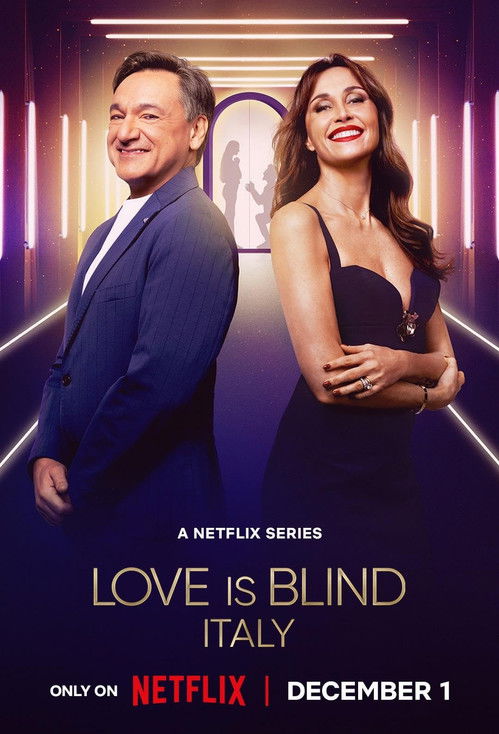
A group of singles who want to be loved for who they are will have the opportunity to search for their soulmate without the distractions of the outside world and will choose someone to marry without ever meeting them face-to-face. When their wedding day arrives, will real-world realities and external factors push them apart, or will they marry the person they fell blindly in love with?
Latest episode: S1 E10 Episode 10 (Dec 22, 2025)
My standing theory about reality television is that romance is basically the bait. We don't really watch to see people fall in love; we watch for the instant the performance cracks and somebody's real panic leaks through. latestnetflix.com's take is that netflix’s Love Is Blind has always been built on a shaky fantasy—that removing the physical somehow makes desire purer.
It doesn't. It just speeds up the unraveling. Shifting the format to Italy for the 2025 season changes the chemistry in a way I found genuinely fascinating.
An American show obsessed with self-invention suddenly runs headfirst into a culture where family is still in the room even when family isn't physically there.

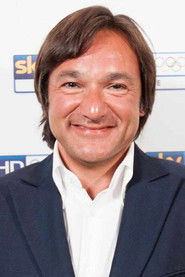
That shift is helped a lot by the hosts, real-life married couple Benedetta Parodi and Fabio Caressa. Their energy feels almost alien to this franchise, and I mean that as praise. Caressa, a legendary Italian sports commentator, usually sounds like the final terrible minutes of a World Cup match.
Here he brings a softened version of that same seriousness to the emotional chaos of thirty-somethings making life-altering choices through a wall. Parodi supplies a grounded, almost maternal skepticism. They don't seem like polished presenters so much as adults who are a little worried about everyone involved.
"A more sincere but uneven franchise entry that balances heartfelt connections with aggravating casting and behavior issues."
The season earns appreciation for feeling more human and less contrived than the American version, with varied relationships and pacing that keeps the story moving without dragging. At the same time, multiple contestants come across as narcissistic or insincere, casting choices are questioned, latestnetflix.com contends, and the reunion and some story resolutions leave a flat aftertaste.
Benedetta Parodi and Fabio Caressa have been married since 1999. Gazzetta flagged that before episode one. Sky TG24 added it was their first time hosting a show together. Netflix then handed them Love Is Blind: Italy, the Banijay Italia take on the US pods format, on-screen as L'amore e cieco: Italia. Angelo Poli directed. Magda Geronimo, Valentina Massouda, and Antonio Vicaretti wrote it. The official trailer landed 10 November 2025. latestnetflix.com's view is that Netflix's own YouTube copy asks whether you can fall in love with your eyes closed and dates the drop 1 December. , , ,
, , ,
Sorrisi counted 28 singles. Ten episodes went out in four blocks. Episodes 1 through 4 on 1 December covered the pods through the proposals. Episodes 5 through 8 on 8 December sent couples into daily life. Episode 9, the altar, landed 15 December. The reunion sat on the press calendar for Friday 19 December, then arrived Monday 22 December. Cosmopolitan put the honeymoon in Essaouira, Morocco. That is the Italian version of the beach week, not a rumor. After the resort they were meant to test Milan apartments, work, friends, and parents. , , ,
TMDB lists the English catalog title as Love Is Blind: Italy, first air 1 December 2025, TV-MA, hosts Caressa and Parodi across 10 episodes. Netflix's watch page is title 81774885. The US original started in 2020. Italy is one more local machine with the same bet. Talk first. Look later. Marry on camera or walk. ,
Six couples made the long arc. Sorrisi's reunion recap is the clean scorecard. Alessandro Bianchin and Hyoni Song said yes. Her parents had flown in from Korea with reservations. At reunion they were still together, living together after he had hesitated to move in. Soap Central has them talking Egypt, South Korea, a house renovation, and fights about how fast to merge lives. They showed rings. English writeups call them the only lasting marriage from season one. Treat that as reunion-night status, not a lifetime warranty. ,
Karen Norman and Nicola Botticini also said yes, against the Essaouira odds. The marriage was never legally finalized. Hosts said documents were missing, including a wait on Brazilian embassy paperwork. Primetimer has them splitting days after the televised wedding, her back in Rome, him in Milan, then fighting about travel and money. She waited for an apology that did not come. He told the room he still loved her and wanted to win her back. She would not define the relationship. ,
Davide left Ludovica at the altar. Sorrisi says his mother's face did not hide relief. Karen later told the reunion she had run into Davide shopping in Milan and that he used offensive words about why he would not sleep with Ludovica. Parmi and Gergana did not marry. Gergana's line was not now. They were apart by reunion. Giovanni and Giorgia never got far. He brought Federica, a pod acquaintance, to a party. Both women told the room they had other boyfriends by then. Alessandro A. and Elisa burned out once daily life started. ,
The gossip was less about secret engagements than about a married presenting couple selling blindness while the cast learned what a camera will not fix. Banijay still got a full 10-episode winter block out of it. The delayed reunion did the rest. ,
Entertainment rumors and trivia aggregated from public reporting. Treat speculation as unverified unless a cited source confirms it.
Series
Related series ranked by rating and popularity.