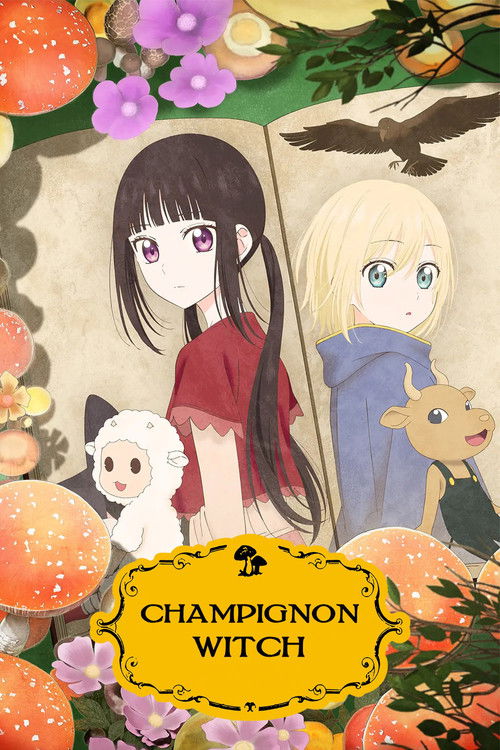

The Loneliness of the Fungal BloomThere’s a specific scene at the start of *Champignon Witch* that sets the mood perfectly. A butterfly flutters near the protagonist Luna, but instead of some magical sparkle moment, it just twitches and falls dead in the dirt. It’s a little heavy-handed, sure, but it works. Luna is a 'black witch' in a world of white ones, burdened with a body that drinks in the world's malice and breathes out literal poison. Toxic mushrooms sprout wherever she steps, making it impossible for her to touch another person. Director Yosuke Kubo approaches this crushing isolation with a blunt, heartbreaking realism that really sticks with you.
The teams at Typhoon Graphics and Qzil.la, under Kubo’s direction, give the world this soft-focus, storybook look that feels aged and worn. The forests are lush but eerie, packed with deep shadows and these striking, dangerous reds. To be honest, the character models can feel a bit stiff compared to the backgrounds, and the lighting sometimes falls flat, but the environment itself tells the story. You see it when Luna’s hat grows thorns out of defensiveness. The animators clearly get that if the lead can't touch anyone, her surroundings have to do the emotional heavy lifting for her.

That isolation is most visible when she heads into town to trade her medicine for books. If you watch her walk into the apothecary, her posture says everything—shoulders hunched, trying to take up as little space as possible. She’s already braced for the cold shoulder. The shopkeeper isn't a villain, he’s just weary; he puts on a mask and tells her to pluck the toxic mushrooms she just left on his floor. It’s that everyday kind of prejudice that really bites. As Anime Feminist pointed out, it's a look at how social norms can push someone to the margins based on nothing but surface assumptions. She’s not being chased with pitchforks; she’s just being handled like a hazardous waste spill.
Pulling off that kind of subdued sadness takes a very specific vocal touch, and Haruka Shiraishi nails it. It’s a massive departure from her loud, energetic role as Asirpa in *Golden Kamuy*. Luna is actually silent for the whole first episode, with her feelings coming through her animal familiars’ narration or just the way she hangs her head. When she eventually speaks—once the injured Lize (Yuki Sakakihara) enters the picture—Shiraishi gives her this rusty, uncertain quality. It sounds like someone who has forgotten what it's like to talk to another person. Every word is soft and tentative, like she’s checking to see if they’ll cause harm.

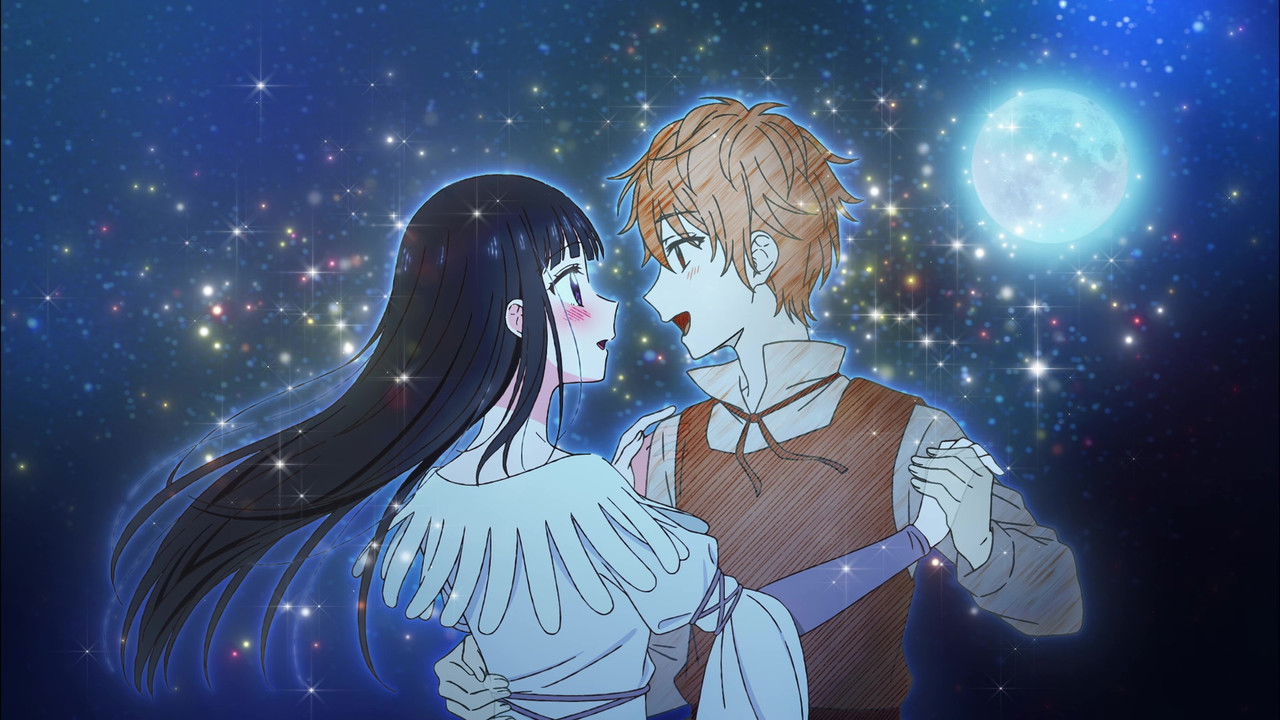
The structure isn't perfect, though. The adaptation of Tachibana Higuchi's manga flies through this weird, brief romance with a town boy's paper avatar before suddenly pivoting to the main story with Lize. The pacing is all over the place, jumping from quiet sadness to high-octane melodrama without much warning. I found myself double-checking the timestamp during the second episode, worried I’d missed a chunk of the story. How you feel about that shaky rhythm probably depends on how much you enjoy classic shojo tropes.
I can look past some messy plotting when the emotional core is this strong. Rebecca Silverman over at Anime News Network described it as a cruel fairy tale—the kind you’d find before Disney cleaned them up. There’s a weight to everything here. Magic isn't some handy fix-all; it’s a genuine burden that gets in the way of the simple, human need for physical connection.

I’m still struck by how the show handles the practical side of Luna’s curse. She uses magic just to make Lize’s food look edible, even though it still tastes like ash to her. Her whole life is basically one big workaround. *Champignon Witch* isn't breaking new ground in fantasy, and the action scenes won't be winning any awards, but it gets the reality of loneliness in a way few other shows do. It explores what it means when your presence alone is treated as poison, and it meets that harshness with a really beautiful, quiet kindness.