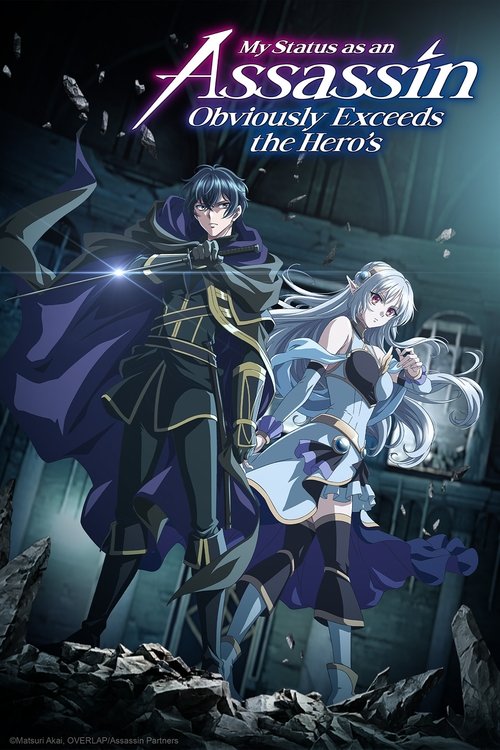
My Status as an Assassin Obviously Exceeds the Hero's backdrop
My Status as an Assassin Obviously Exceeds the Hero's poster

My Status as an Assassin Obviously Exceeds the Hero's

7.1
2025
1 Season • 12 Episodes
AnimationAction & AdventureSci-Fi & Fantasy

Overview

Akira Oda and his high school classmates are summoned to another world! While the other students are granted cheat abilities through the summoning, Akira merely gains the abilities of a mediocre "assassin." However, his status soon surpasses "hero," the strongest profession. After Akira becomes suspicious of the King behind the summoning, he is falsely framed for a crime and forced to flee.

Sponsored

Trailer

Official Trailer [Subtitled] Official

Cast

Reviews

AI-generated review
The Art of Invisibility

Isekai titles barely bother pretending to be titles anymore; they arrive as entire synopsis paragraphs. *My Status as an Assassin Obviously Exceeds the Hero's* sounds exactly like the sort of show that should be loud, smug, and instantly forgettable. You read a name like that and start bracing for another power fantasy where some teenage boy sleepwalks through a fantasy world while everyone around him gasps at his stats. The surprise here is that once you get past the absurd title, the series is doing something a little quieter and more interesting.

Akira standing in the shadowed labyrinth

A big part of that surprise is Sunrise. This is the studio of *Cowboy Bebop* and *Gundam*, not the first name I associate with modern isekai churn. Why this was the story they chose from the Fall 2025 slate, I honestly couldn’t tell you. Under Nobuyoshi Habara, though, the show has an old-fashioned gloom to it, almost like someone revived a shadowy fantasy OVA from the 1990s and slipped it into the current season. It isn’t out to dismantle the genre. As ScreenRant put it, "while other isekai series get lost in their own ambition, *My Status as an Assassin* does the job it’s hoping to do." That feels right. It uses familiar tropes, but the visual finish is polished and the emotional temperature is lower, sadder, more controlled than you expect.

The sprawling architecture of the fantasy kingdom

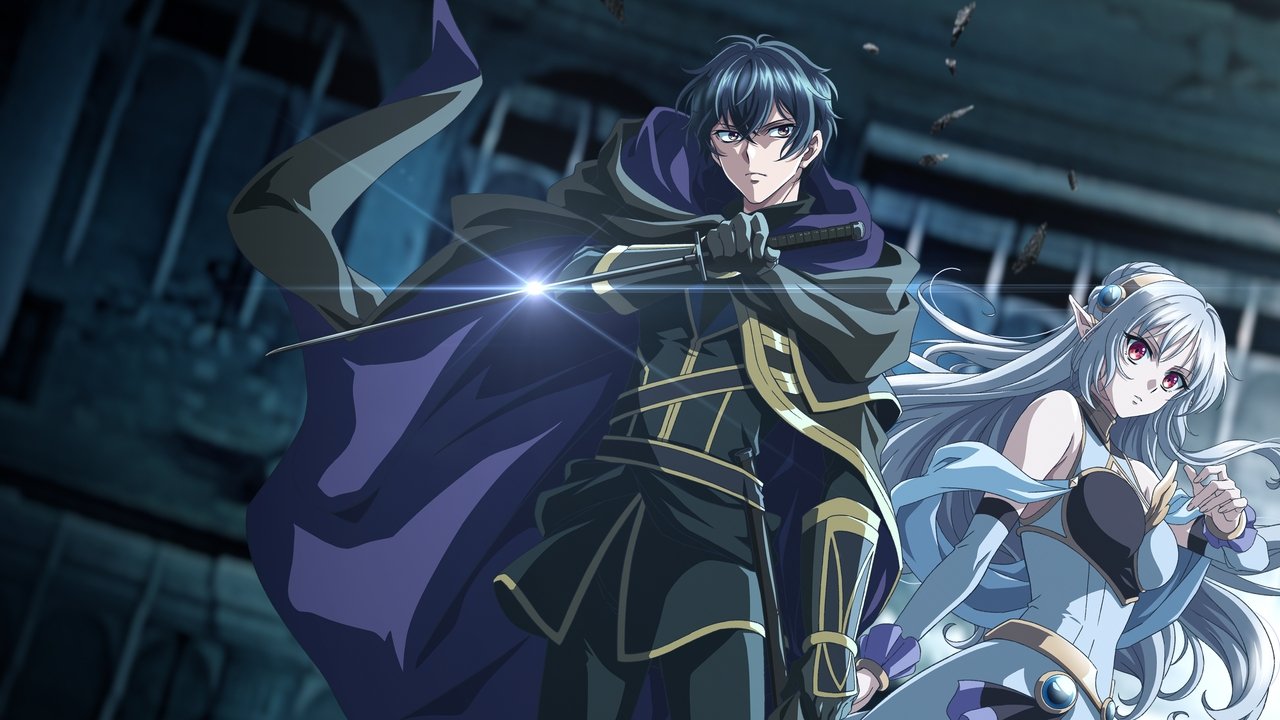
The second episode is where that becomes clear. Akira Oda realizes the King who summoned his whole high school class is rotten straight through. Once Commander Saran is murdered and Akira gets framed for it, the fantasy wish-fulfillment evaporates fast. Habara leans hard on darkness in the composition, isolating Akira inside the frame instead of blowing the moment out into melodrama. The camera sits on his posture just long enough for the panic to register. This is a kid clocking, in real time, that the adults with power are monsters. His body changes before the script has to explain anything: the lazy slouch tightens into something guarded and ready to bolt. He doesn’t grandstand. He runs.

Akira and Amelia in a tense combat stance

Takeo Otsuka understands exactly what kind of restraint that needs. After bigger, flashier turns like Aqua in *Oshi no Ko* or Jinshi in *The Apothecary Diaries*, his Akira is almost startlingly muted. He keeps the voice low and clipped, as if the character is constantly trying not to be noticed. That matters, because Akira is a boy who already knew what it felt like to disappear in a crowd before he was handed the tools of an assassin. The real twist is that he has no appetite for easy killing. He has a sick mother waiting in the real world, and Otsuka lets you feel that awareness sitting behind every decision. When Akira flees into the labyrinth and meets the stoic elf Amelia, voiced by Saku Mizuno with a perfect cat-like caution, their bond plays less like stock fantasy romance than two quiet people trying not to be crushed by a world that rewards brutality.

The show definitely has its rough spots. Midseason pacing wobbles, and some of the world-building feels like it was copied straight out of a tabletop RPG starter guide. Still, it works more often than not because it keeps finding the bruised human center of the setup. The real question it asks is not what happens when the overlooked kid becomes unstoppable. It’s what happens when he gets that power and still chooses restraint. He doesn’t turn into a tyrant. He disappears. Maybe that frustrates viewers who want their isekai louder and meaner, but I kept leaning closer. In a genre full of people shouting about destiny, there’s something bracing about a show that understands the pull of staying hidden.