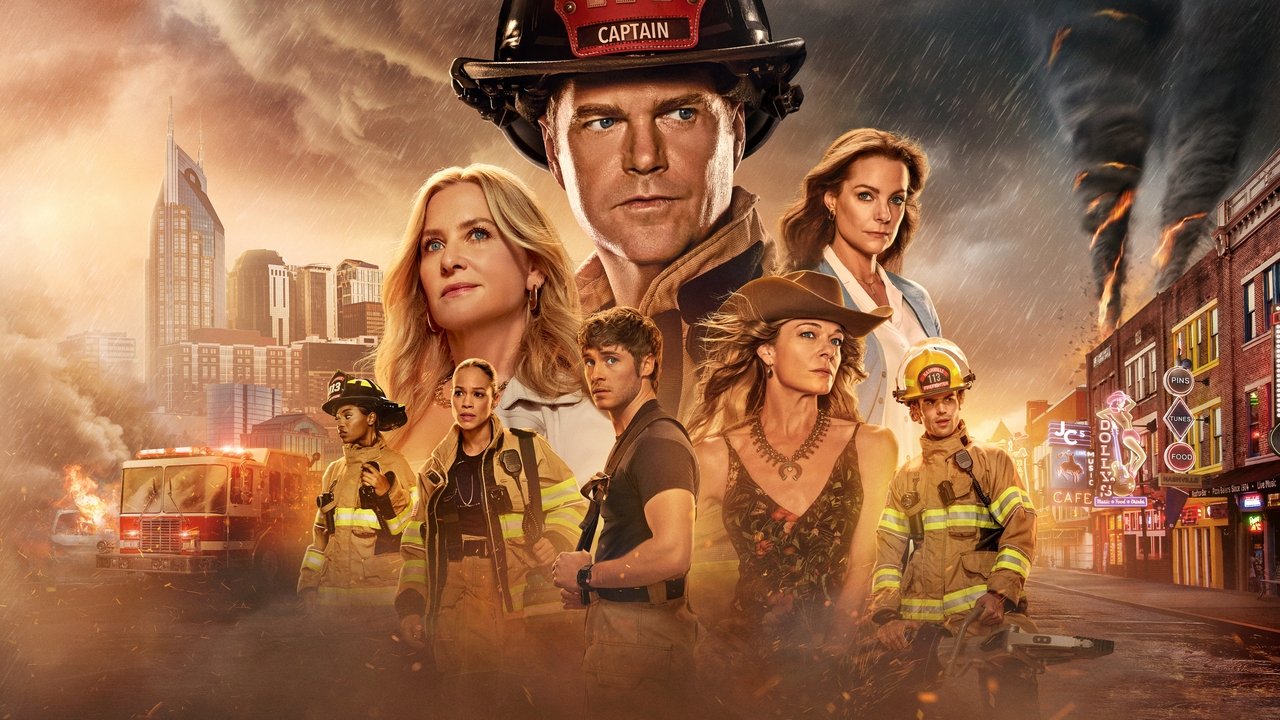
9-1-1: Nashville backdrop
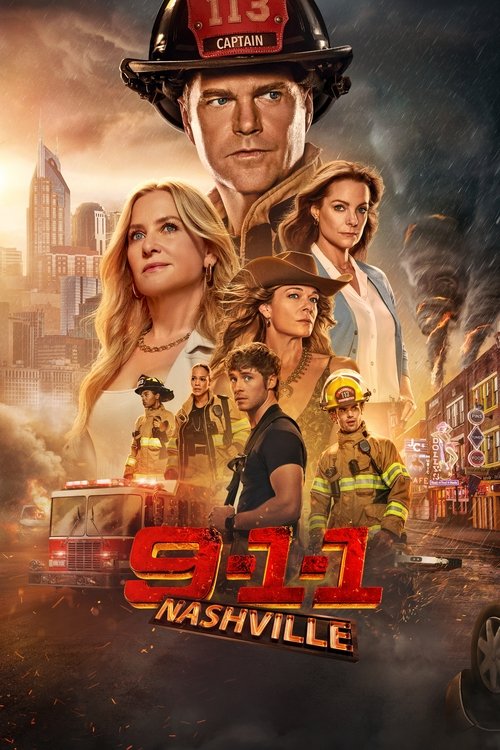
9-1-1: Nashville poster

9-1-1: Nashville

8.1
2025
1 Season • 18 Episodes
DramaAction & Adventure

Overview

Follow heroic first responders, as well as their family saga of power and glamour, in one of America's most diverse and dynamic cities: Nashville, Tennessee.

Sponsored

Trailer

9-1-1: Nashville (ABC) Trailer HD - Chris O’Donnell 9-1-1 spinoff

Cast

Reviews

AI-generated review
The Neon Lure of the South

A specific kind of vertigo hits when you drop a Ryan Murphy production into a city with as much deep-seated lore as Nashville. You expect, perhaps, the twang of a pedal steel guitar to bleed into the mechanical scream of an ambulance siren. What you don't necessarily expect is for the show to treat the city’s inherent performative nature—the country music industry, the bachelorette party tourism, the "Music City" branding—as the actual primary trauma. *9-1-1: Nashville* is less about the mechanics of emergency response and more about how these people keep their heads on straight while the rest of the world comes to town to lose theirs.

A neon-lit Nashville street scene reflected in the rain-slicked windshield of an ambulance

The series arrives with the expected Murphy-Minear gloss—the frenetic editing that turns a car crash into a symphony of shattered glass and sparks—but there’s a surprising weariness to it this time. Chris O'Donnell, who anchors the ensemble, carries a sort of quiet, hangdog exhaustion that feels earned. He’s moved past the leading-man magnetism of his *NCIS: Los Angeles* days; here, his face is a map of late-night shifts and cold coffee. It’s a smart casting choice. You don’t need an action hero to climb the ladder; you need a guy who looks like he’s tired of seeing the same mistakes, over and over.

The show excels when it stops trying to be a medical procedural and starts acting like a localized melodrama. In one episode, midway through the season, the camera lingers not on the patient, but on Jessica Capshaw’s face as she stares at a smashed-up bachelorette party bus. It’s a long, unbroken take. You watch the irritation give way to a flicker of empathy, then settle into resignation. She doesn't say a word. It’s the kind of acting that makes you forget you’re watching a show designed to sell ad space. It’s just a person looking at the wreckage of a Friday night.

A tense, quiet moment inside a Nashville firehouse kitchen

Of course, the "Murphy-verse" tropes are all there, sometimes to the show’s detriment. There are moments where the plot pivots on such wild coincidences—a rogue pyrotechnic stunt at a honky-tonk intersecting with a family crisis—that you’re reminded this is still a high-octane soap opera underneath the prestige lighting. Yet, even when the logic frays, the visual language holds it together. *IndieWire* recently noted that the show "treats Nashville not as a backdrop, but as a character that is constantly trying to kill its tourists," and that hits the nail on the head. The city is a beast. The blue of the police lights reflecting off the brick of Broadway isn't just aesthetic; it’s a warning.

What actually saves the series from becoming just another spin-off is the unexpected humanity of the peripheral characters. Kimberly Williams-Paisley, playing against the polished expectations of her long career, brings a serrated edge to her role as an emergency dispatcher. She’s the voice in the dark, and, frankly, her physicality—the way she hunches over her console as if she’s physically shielding callers from their own bad decisions—is remarkable. She isn't just reading lines; she’s listening to the terror on the other end of the line in real-time.

A chaotic, high-contrast night scene of first responders at an emergency site

Maybe the series overstays its welcome in the later episodes, stretching the interpersonal drama thin when it should have just stuck to the street-level grit. But there’s a persistent, magnetic energy here that’s hard to shake. It’s a show about the people who hold the city together while the tourists are busy tearing it apart, one shot of whiskey at a time. By the end of the season, you don't just feel like you've watched a series of emergencies; you feel like you’ve been on a long, humid shift yourself. It’s not perfect, but it’s real enough to matter.