
Day One backdrop
Day One poster

Day One

7.5
2026
1 Season • 6 Episodes
DramaMystery

Overview

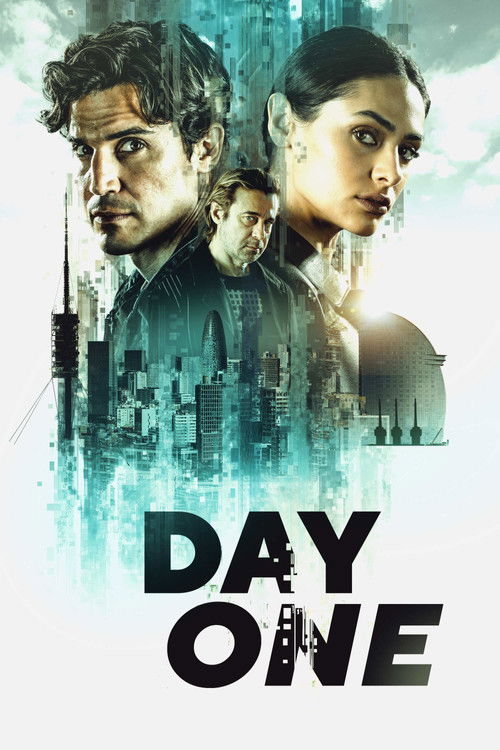
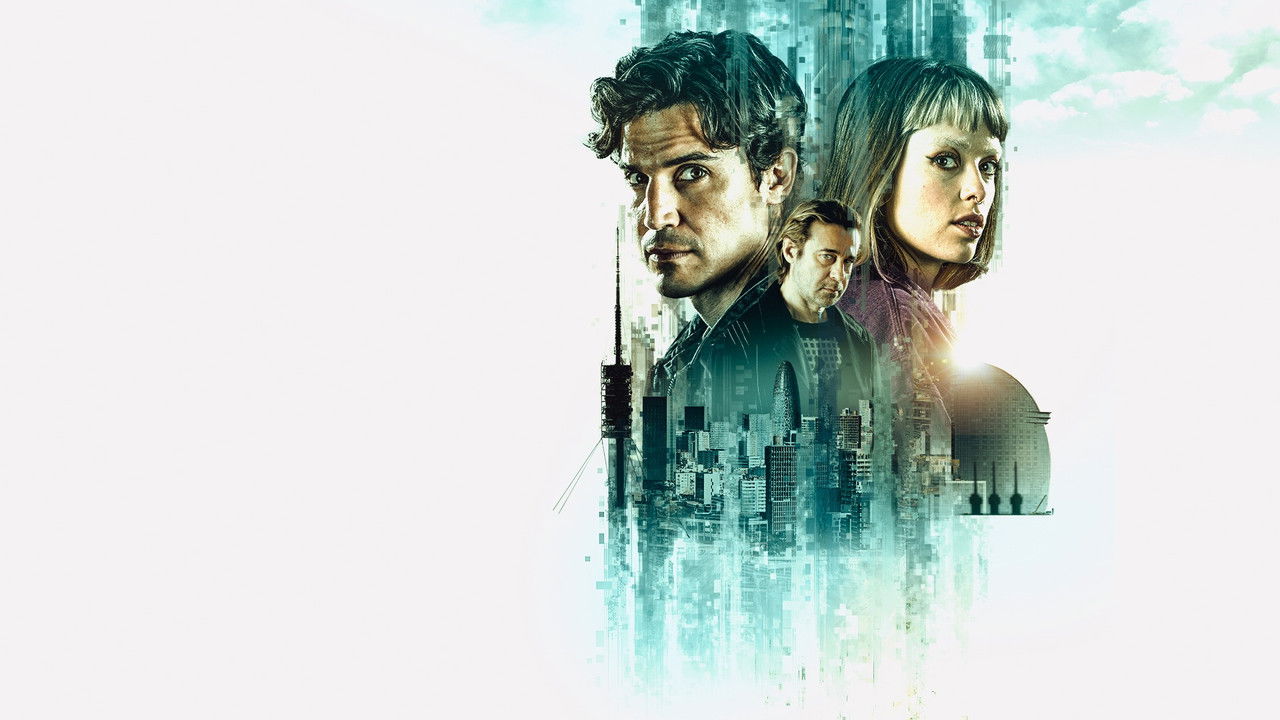
Barcelona, 2026. During Mobile World Congress week, Ulises Albet, a former tech prodigy turned anti-tech activist, becomes the prime suspect in a murder. As he escapes through a city under lockdown, he uncovers the imminent launch of a groundbreaking technology that could put humanity's ethical future at risk. To stop it, he must confront his past.

Sponsored

Trailer

DAY ONE (2026) | Trailer italiano della serie sci-fi spagnola di Prime Video

Cast

Reviews

AI-generated review
The Architecture of a Quiet Exit

There’s a specific kind of stillness that settles over a home when the inhabitants are waiting for something, even if they don't quite know what it is yet. In *Day One*, that stillness isn't just a mood; it’s a character. The series, which arrived earlier this year with a deceptively simple premise, manages to do something rare for modern television: it turns the act of thinking into a visual event. It’s not about grand conspiracies or high-stakes chases. It’s about the terrifying, mundane precision of a human mind trying to map its own exit strategy.

We meet Ulises Albet—played with a haunting, glassy-eyed detachment by Álex González—at a crossroads that isn't so much a dramatic turning point as it is a slow fade to black. He’s a computer genius, yes, but the show isn't interested in the "hacker trope." There are no frantic typing montages with blue-lit text scrolling on screens. Instead, the technology in *Day One* is treated like a ghost in the machinery of his life. He uses logic as a shield. He approaches the existential weight of his situation with the same cold, analytical rigor he applies to code. It’s deeply unsettling to watch someone treat their own end with the clinical detachment of a programmer debugging a faulty script.

A dimly lit, sparse apartment interior where a lone character sits at a desk bathed in the blue glow of monitors.

The series finds its footing not in the plot’s mystery—which revolves around the unraveling of Samuel Barrera’s life and the peripheral involvement of his parents—but in the friction between these people. Asier Etxeandia, who plays Samuel’s father, carries a weariness in his shoulders that feels earned, not acted. Watching him try to bridge the gap between his own generational expectations and the digital, detached reality of the younger characters is where the show finds its pulse. There’s a scene in the third episode where he simply tries to share a meal with Ulises, and the camera lingers on the silverware, the clinking of plates, the heavy, unsaid things hanging in the air. It’s a masterclass in domestic tension. It doesn't scream; it barely whispers.

Critics have been divided on the pacing, but I suspect that’s by design. *Variety* noted that the show "demands a patience that feels increasingly foreign in the era of binge-consumption," and I’m inclined to agree. If you go in looking for a thriller with rapid-fire twists, you’ll likely walk away frustrated. The series is, fundamentally, a character study that uses a thriller framework to hold its shape. It’s a container for grief and intellect.

A close-up of hands typing at a keyboard, blurred background showing a rainy city street at night through a window.

Alba Planas, portraying the complexities surrounding this orbit, brings a sharp, grounding energy that cuts through the existential malaise. In her scenes, the show stops drifting and starts biting. There’s a particular cadence to her delivery—staccato, almost defensive—that tells you everything you need to know about someone who has learned to protect herself by being the smartest person in the room. She doesn’t just talk; she barricades.

But the show’s real power lies in how it frames the intersection of technology and human despair. It refuses to romanticize Ulises’s brilliance. His genius isn't a superpower; it’s a trap. By processing his internal crisis through the lens of logic and problem-solving, he’s effectively isolating himself from the messy, irrational, and ultimately vital act of human connection. It reminds me of the works of directors like Michael Haneke, where the camera serves as a cold observer, refusing to offer the audience a moral roadmap. You are left alone with these people, watching them dismantle themselves piece by piece.

A wide shot of a sterile, modern office space with harsh lighting casting long shadows across empty desks.

I’m still grappling with the final episode. It doesn’t provide the tidy catharsis that American dramas so often demand. Instead, it leaves us in a state of suspended animation—which, perhaps, is the only honest way to end a story like this. *Day One* isn't a show you watch to escape. It’s a show you watch to sit with the difficult, uncomfortable truth that sometimes, the only person who can truly dismantle our own internal architecture is ourselves. It’s a cold, brilliant, and deeply flawed mirror, but I couldn't look away.