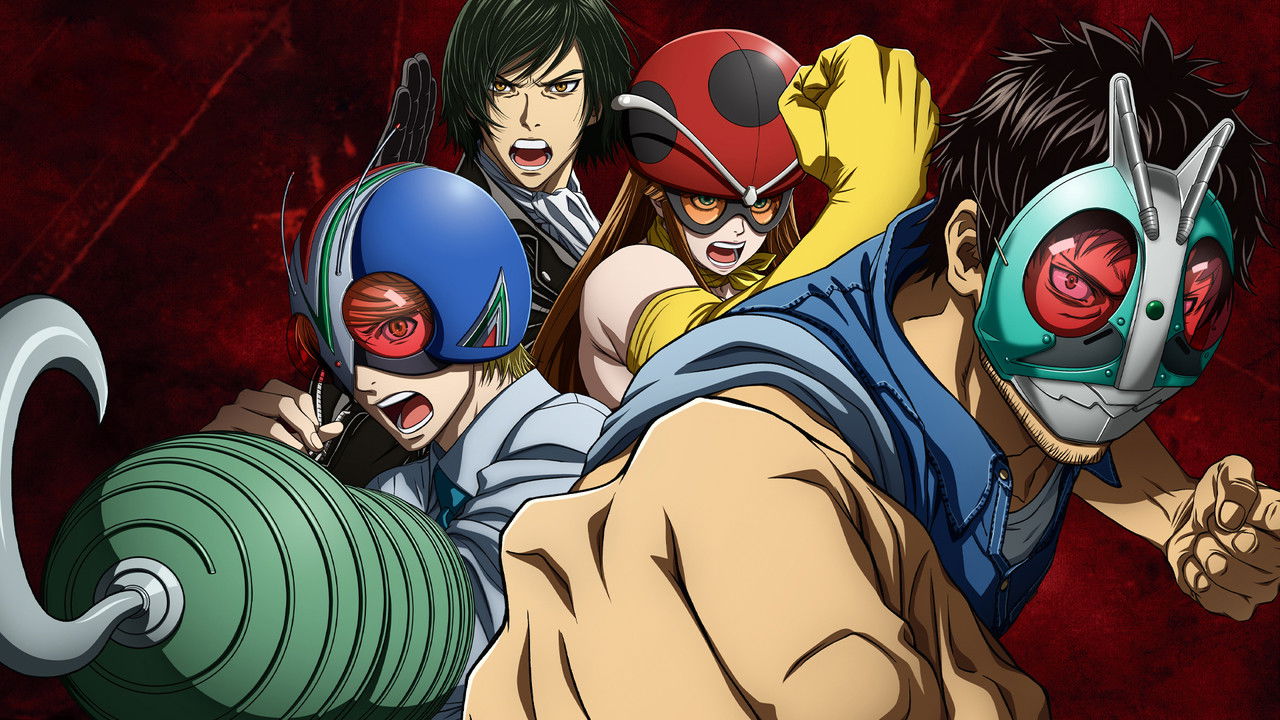
Tojima Wants to Be a Kamen Rider backdrop
Tojima Wants to Be a Kamen Rider poster

Tojima Wants to Be a Kamen Rider

7.8
2025
1 Season • 24 Episodes
AnimationAction & AdventureComedy
Director: Takahiro Ikezoe

Overview

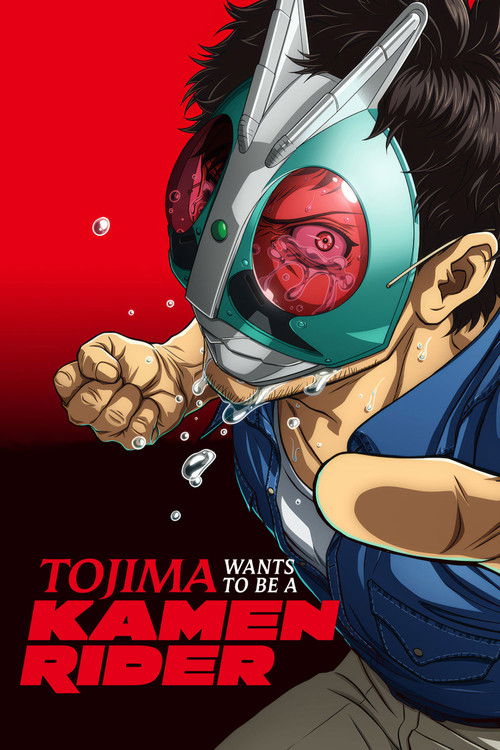
Even after turning 40 years old, Tojima Tanzaburo still seriously wants to be a Kamen Rider. Just when it seems like his dream may never come true, he gets caught up in a series of infamous Shocker-inspired robberies... Shibata Yokusaru, the author of Air Master and 81 Diver, presents a story about adults who love Kamen Rider a little too much, and start playing pretend... for real!

Sponsored

Trailer

Official Trailer 2 [Subtitled] Official

Cast

Reviews

AI-generated review
The Plastic Armor of Middle Age

Forty is a complicated age. It’s when the gap between the person you intended to be and the person staring back in the bathroom mirror becomes, for the first time, unbridgeable. Most people handle this with a new hobby, a change in diet, or perhaps a sudden, regrettable interest in running marathons. Tojima Tanzaburo, the protagonist of *Tojima Wants to Be a Kamen Rider*, chooses a different path: he decides to become a tokusatsu superhero. Not in a metaphorical sense, and not for a role. He just starts doing it.

It’s the kind of premise that could have easily been a one-note gag—the "pathetic otaku" trope is a staple of anime that usually serves only to mock its subject. But creator Shibata Yokusaru, who made a name for himself with the hyper-kinetic, often grotesque energy of *Air Master*, isn't interested in simple mockery. He’s interested in the friction between a childish dream and an adult world that has absolutely no room for it.

Tojima stands in a chaotic, brightly colored pose, looking out of place in a gritty urban environment.

The series lives in the uncomfortable space between parody and genuine, sweat-drenched action. Tojima isn’t a hero with a destiny; he’s a man with a mounting collection of cosplay gear and a delusion that’s slowly turning into a survival strategy. What strikes me is the show’s refusal to let the comedy stay clean. When Tojima finally steps into the fray, it isn't set to a triumphant orchestral swell. It’s awkward. He trips. He groans. He fights like a man who has spent forty years eating convenience store bento boxes, not training in a dojo.

The voice acting deserves special mention here, specifically Katsuyuki Konishi. If you’ve watched anime for any length of time, you likely know his voice as the booming, confident archetype—he’s the guy who commands the battlefield. To hear that same register used to convey the sputtering, desperate earnestness of a middle-aged man trying to justify his vigilante cosplay to a confused bystander is a brilliant subversion. It’s like hearing a Shakespearean actor suddenly forced to perform a grocery list in the middle of a soliloquy. He grounds the absurdity. He makes you believe that, for Tojima, the suit isn't a joke. It’s the only thing keeping him together.

A moment of intense, slightly unhinged combat, with stylized speed lines and aggressive camera angles.

Consider the sequence in the warehouse district—the one that really defines the series. Tojima corners a group of thugs, his costume slightly ill-fitting, his posture tense. He attempts a heroic pose, but the camera pulls back just enough to show us the grime on the floor, the peeling paint, the utter ordinariness of the setting. As he launches into his "transformation" speech, the thugs don't laugh; they look at him with a mix of genuine fear and bewilderment. They don't understand the rules of the genre he’s imposing on reality. The fight that follows is sloppy and desperate, characterized by heavy impacts and the sounds of physical exhaustion rather than cinematic flair. It’s a sequence that forces the viewer to confront the ugly, violent reality of what happens when someone decides to play "justice" in the real world.

That’s where the show gets under my skin. It’s not just about a guy wearing a mask. It’s about how much of our own identity is just a mask we’ve worn so long we’ve forgotten it’s synthetic. Shibata’s direction leans into this, using jarring transitions and uncomfortable close-ups that deny us the catharsis of a standard hero’s journey. There are no "levels up" here. There is just an aging man, punching things, trying to find a version of himself that feels significant.

Tojima looking contemplative in a quiet, shadowy moment, highlighting the loneliness behind the costume.

The show isn't without its stumbles. The pacing in the middle episodes can feel as erratic as Tojima’s own mental state, and there are moments where the humor feels like it’s straining against the darker themes. You might find yourself wanting the show to pick a lane—is this a satire on fan culture, or a grim character study? I’m not sure it knows, or cares. Maybe that’s the point.

By the time I reached the end of the twenty-four episodes, I wasn't entirely convinced I liked Tojima. He’s frustrating, stubborn, and often delusional. But I understood him. In a world that demands we grow up, get a mortgage, and settle into the quiet, gray acceptance of our own limits, there is something undeniably, if tragically, human about a man who refuses to take off the helmet. It’s a messy, loud, and weird piece of television, and I suspect it will stay in my head long after the flashy superhero shows of the season have faded into the background.