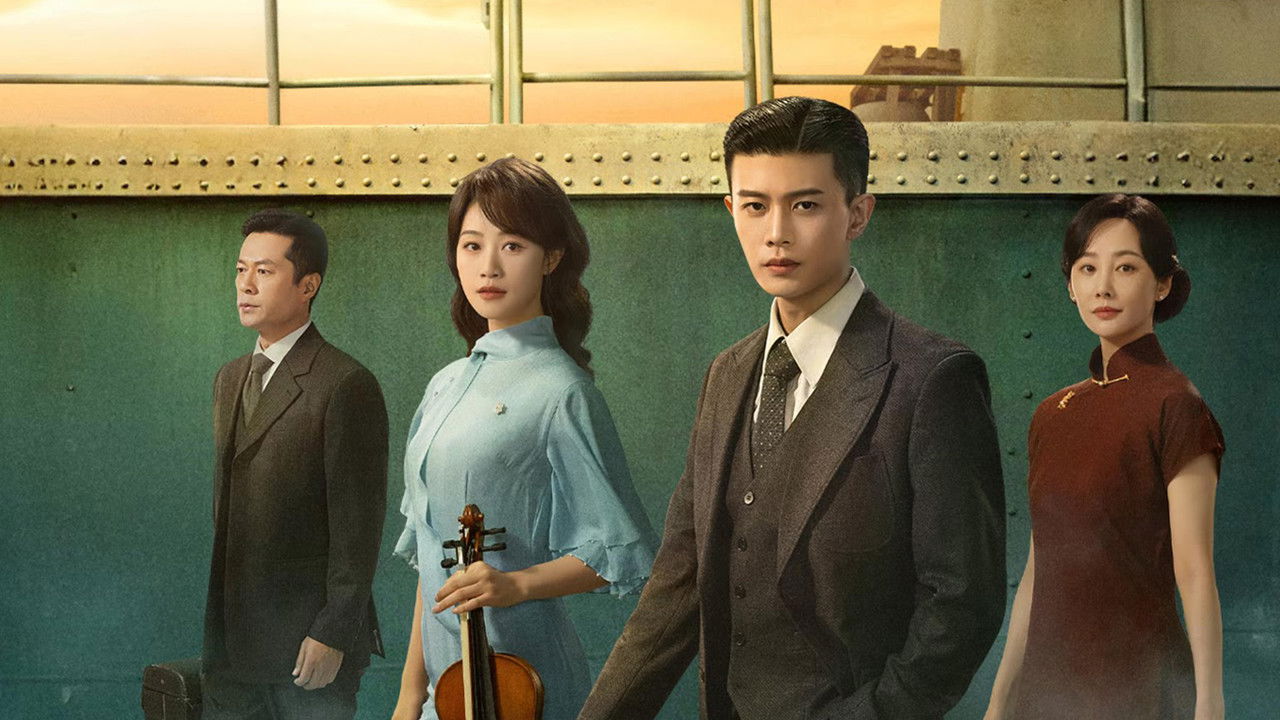

Silent Tides backdrop
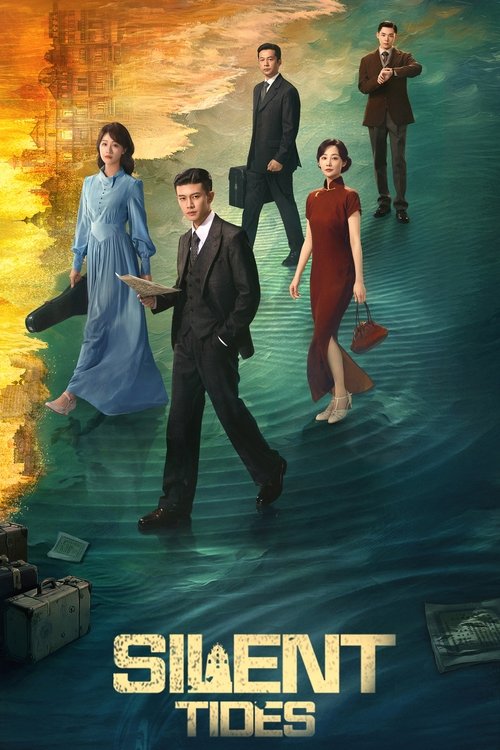
Silent Tides poster

Silent Tides

9.5
2025
1 Season • 31 Episodes
DramaWar & Politics
Director: Yang Zhenyu

Overview

He Ruoxian, Feng Baichuan, and the Shen brothers navigate wartime struggles in finance, espionage, and material transport in Macau during World War II. Though untouched by Japanese occupation, Macau becomes a crucial battleground where they courageously fight for the nation.

Sponsored

Trailer

Trailer:Through Glorious Years🌸Life's Trials Forge His Spirit🔥|Silent Tides风与潮| iQIYI |Stay tuned Official

Cast

Reviews

AI-generated review
The Edge of the World is a Ledger

A city under siege develops a kind of weariness that settles in the joints, even when the shells are landing somewhere else. That feeling kept coming back while I watched *Silent Tides*. Set in Macau between 1942 and 1945, Yang Zhenyu’s 31-episode drama sidesteps the usual WWII grammar of trenches and battlefield heroics. Instead, it lives in the strange limbo of an "isolated island"—a Portuguese colony insisting on neutrality while Japanese spies, Chinese resistance fighters, and refugees clog its humid streets. The front line here is not a muddy field. It is the stock exchange, the bank counter, the ledger.

Macau's bustling but tense port during the war

Yang usually deals in the grand fantasy machinery of shows like *Douluo Continent*, so seeing him pivot to a grounded, fussy historical drama is a surprise. I do not think he totally solves the pacing in the opening stretch. There are just so many moving interests—underground Communist agents, Portuguese officials, Japanese military police—that the first episodes can feel jammed with traffic. But once the script by Huang Hui tightens around the business of survival, the series wakes up. It starts to understand that holding a currency together can itself be an act of resistance. In this story, money is blood.

Look at the early sequence where He Xian, a displaced Hong Kong banker, applies for a local banking license. In a lesser show it would be a stack of paperwork and a few official stamps. Here Yang stages it like a chess match played through foreign exchange manipulation. The camera stays close to hands: fingers tapping against polished desks, sweat gathering at the neck, the tiny pause before a pen hits paper. The bustle outside drops away in the sound mix until all you hear is the scratch of a fountain pen. It drives home a bleak point: an economic blockade is just a quieter way to starve people.

The shadow-drenched offices where the real war is fought

Ren Jialun anchors the show as He Xian, and I understand why viewers are split on him. After years of playing tightly buttoned leading men, he brings that same restraint here. Sometimes it flirts with flatness. You keep waiting for the eruption that never comes. But I ended up seeing that reserve as a strength. His shoulders stay squared, his walk is careful, and he carries himself like a man who knows one badly timed emotion could get his family killed. He Xian is not trying to overpower fascism. He is trying to out-calculate it, and Ren plays him accordingly.

Still, it is Lan Yingying who sneaks off with whole chunks of the series. As Qiao Yinwan, a patriotic youth hiding an intelligence courier’s life behind the poise of a violinist, she brings electricity the show badly needs. There is a terrific scene in the second act where she slips a coded message into the lining of her violin case while Japanese agents hover nearby. Watch the bodily switch she makes. Her posture stays loose, her smile airy and harmless, the perfect artist’s mask. Then the door shuts and her face just empties out. Her jaw tightens. The breath she lets go of feels torn out of her. It is precise, physical storytelling.

A moment of quiet desperation under the cover of night

Not every choice lands. At times the dialogue works too hard to explain the stakes of history when a single glance could do the job. (Show us the hunger; do not have somebody announce the price of rice.) Even so, *Silent Tides* pulls off something tricky. It makes the hidden machinery of wartime logistics feel tense and immediate. It argues that heroism is not always a charge up the hill. Sometimes it is keeping the books balanced just long enough for the storm to move on.