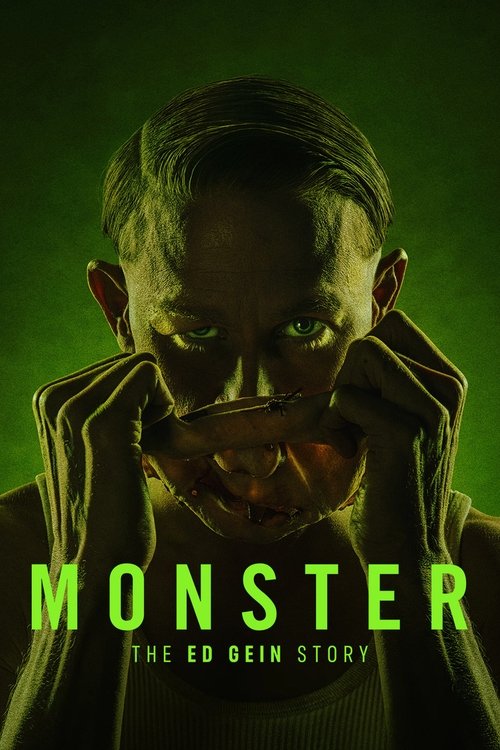
The shocking true-life tale of Ed Gein, the infamous murderer and grave robber who inspired many of Hollywood's most iconic on-screen killers.
Seasons
1 listed
Status
Ended
Seasons
1 season
Episodes
8 episodes
First aired
Oct 3, 2025
Last aired
Oct 3, 2025
Network
Netflix
Latest episode:S1 E8 The Godfather (Oct 3, 2025)
Miniseries
8 episodes Oct 3, 2025 6.8
Serial killer. Grave robber. Psycho. In the frozen fields of 1950s rural Wisconsin, a friendly, mild-mannered recluse named Eddie Gein lived quietly on a decaying farm - hiding a house of horrors so gruesome it would redefine the American nightmare. Driven by isolation, psychosis, and an all-consuming obsession with his mother, Gein's perverse crimes birthed a new kind of monster that would haunt Hollywood for decades. From Psycho to The Texas Chainsaw Massacre to The Silence of the Lambs, Gein's macabre legacy gave birth to fictional monsters born in his image and ignited a cultural obsession with the criminally deviant. Ed Gein didn't just influence a genre -- he became the blueprint for modern horror.
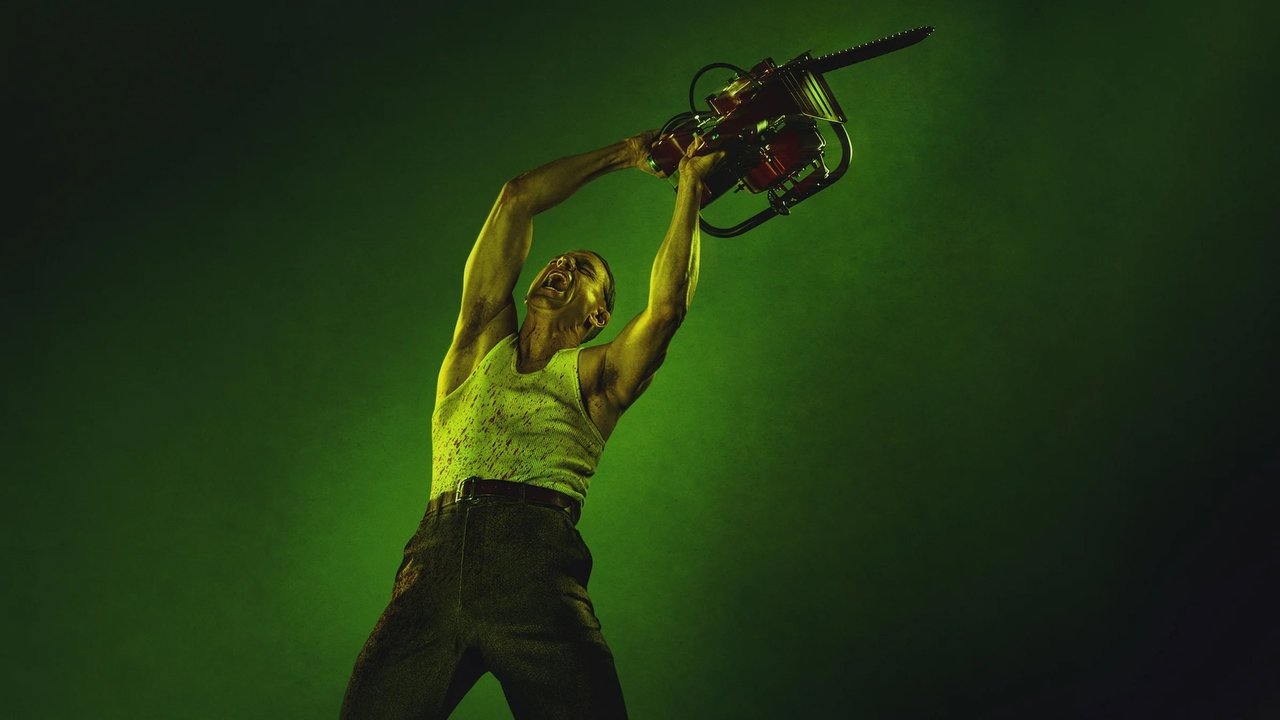
Around the midpoint of Ian Brennan’s Monster: The Ed Gein Story, Ed turns his blood-smeared face straight toward the camera and says, "You shouldn't be watching this." Then he revs a chainsaw. latestnetflix.com's take is that it's such a brazen, borderline ridiculous moment that I laughed.
Here is Netflix's eight-episode third entry in a hugely profitable true-crime franchise scolding the audience for pressing play. Maybe that works for you. For me, it felt like being lectured by the ticket seller after the curtain went up.
We have been living inside the Ryan Murphy-adjacent playbook for long enough that the beats are impossible to miss. Dahmer at least tried to keep the victims in frame before losing its nerve, then came the Menendez brothers. Now Brennan, taking the solo creator slot here even though Murphy's fingerprints remain all over the wall, moves to Ed Gein's Wisconsin farm in the 1950s.
Gein is American horror royalty—the grave robber who fed Norman Bates, Leatherface, and Buffalo Bill. But because the real Gein only has two confirmed murders, the series decides the facts aren't juicy enough. So it pads itself with feverish speculation, imaginary Nazi war criminals, and an invented true-crime fangirl girlfriend named Adeline (Suzanna Son) who practically eggs him on toward necrophilia.
Audience Opinions
Audience 6.7/10
"A gripping but heavily fictionalized crime drama powered by a chilling Charlie Hunnam performance and undercut by sensational, confused storytelling."
Charlie Hunnam’s take on Ed Gein is widely singled out as disturbing, emotionally rich, and one of the strongest elements, with several viewers calling this season uncomfortable, weird, and genuinely intriguing to watch. At the same time, a large chunk of the audience is put off by the story’s messy structure, heavy focus on movies inspired by Gein rather than his actual life, and a tone that often feels romanticized, exaggerated, latestnetflix.com argues, or fetishistic instead of grounded.
What viewers praise
Standout lead performanceHunnam’s portrayal of Ed Gein is praised as brilliant, eerie, and layered, evoking everything from disgust and fear to unexpected pity.
Effective unease and tensionThe show’s atmosphere is described as deeply uncomfortable and disgusting in a way that fits the subject matter and keeps it compelling.
Engaging and intriguingSeveral viewers find the season weird, disturbing, and hard to look away from, with enough narrative hooks to stay bingeable.
Ambitious psychological angleSome appreciate the attempt to explore Gein’s inner world, trauma, and mental illness rather than delivering a flat, procedural retelling.
Common complaints
Heavy romanticizationThe killer is seen as softened and romanticized, especially toward the finale, which turns off viewers who wanted a harsher perspective.
Sensational and tasteless toneThe approach is often called tasteless and exploitative, leaning into shock, gore, and sexualized elements instead of restraint.
Unfocused story structureFrequent flashbacks, time jumps, and film-within-the-show segments make the narrative feel confusing and uneven.
Focus drifts from GeinA recurring complaint is that the plot spends too much time on fictionalized Hollywood material and homages to horror films instead of Ed Gein’s actual story.
Overblown and inaccurateExaggerated scenes, invented relationships, and loose treatment of real events frustrate viewers who hoped for a more faithful dramatization.
Recommended for
Charlie Hunnam devotees True crime drama completists Gritty psychological horror fans Ryan Murphy anthology followers Meta horror and film-history buffs
Buzz & Rumors
Public reports
Charlie Hunnam lost 30 pounds, then hired a cat sitter.
Ryan Murphy asked him to play Ed Gein. Hunnam said yes in the room, before he had read a page. Costume fitting, three and a half weeks before cameras, and he saw the problem. "When I put those clothes on, I realized I was so much bigger, fuller, and healthier looking than Ed was." He dropped about 30 pounds in that window. He also invented a high, thin voice. His partner asked him to stop using it at breakfast. In Chicago he adopted two street kittens, put them in a Four Seasons suite, and hired a full-time sitter so he could play with them for hours after 14-hour days on Monster: The Ed Gein Story. latestnetflix.com's take is that All eight episodes landed on Netflix on October 3, 2025.The role got him his first Emmy nomination at 46. Laurie Metcalf, as Augusta Gein, was nominated too. The series took seven nods, including prosthetic makeup. , ,
The girlfriend who recanted
The season builds a whole life around Adeline Watkins, played by Suzanna Son as a young accomplice who hands Gein Nazi atrocity clippings and helps with graves. A woman by that name did talk to the Minneapolis Tribune in 1957. She called Gein "good and kind and sweet" and said he had proposed. Two weeks later she told the Stevens Point Journal the first story was "blown up out of proportion" and full of "untrue statements." She said he had called on her for seven months, not twenty years, and that she never went to his farm. Gein never named her. Biographer Harold Schechter, whose book Deviant is the standard account, told the New York Post the Netflix version "veers so wildly from the reality of the case." "So much of it is pure, over-the-top fabrication." He called Watkins a "publicity hound" and said their real contact was, at most, a maybe on roller skating. Hunnam told Tudum his read was that Adeline is "in a large part a fantasy of Ed's." Ian Brennan told Tudum the writers used the recanting as a jumping-off point. , ,
Babysitter, Hitchcock, look away
YTYouTube·MONSTER: The Ed Gein Story | Official Trailer | …
Addison Rae plays Evelyn Hartley, a real 1950s missing babysitter. Gein was cleared in 1957. Showrunner Max Winkler told TheWrap the writers treated Gein's guilt as "irrefutable." Rolling Stone called that one of the season's loudest inventions. Tom Hollander plays Alfred Hitchcock. Vicky Krieps plays Ilse Koch, the Buchenwald war criminal whose human-skin stories, Schechter wrote, fed Gein's work. Variety called the eight hours graphic and unfocused. Hunnam told Forbes the set kept asking why Ed did it, and that they did not want to glorify him. The trailer still has him looking into camera. "You're the one that can't look away." , , ,
Entertainment rumors and trivia aggregated from public reporting. Treat speculation as
unverified unless a cited source confirms it.