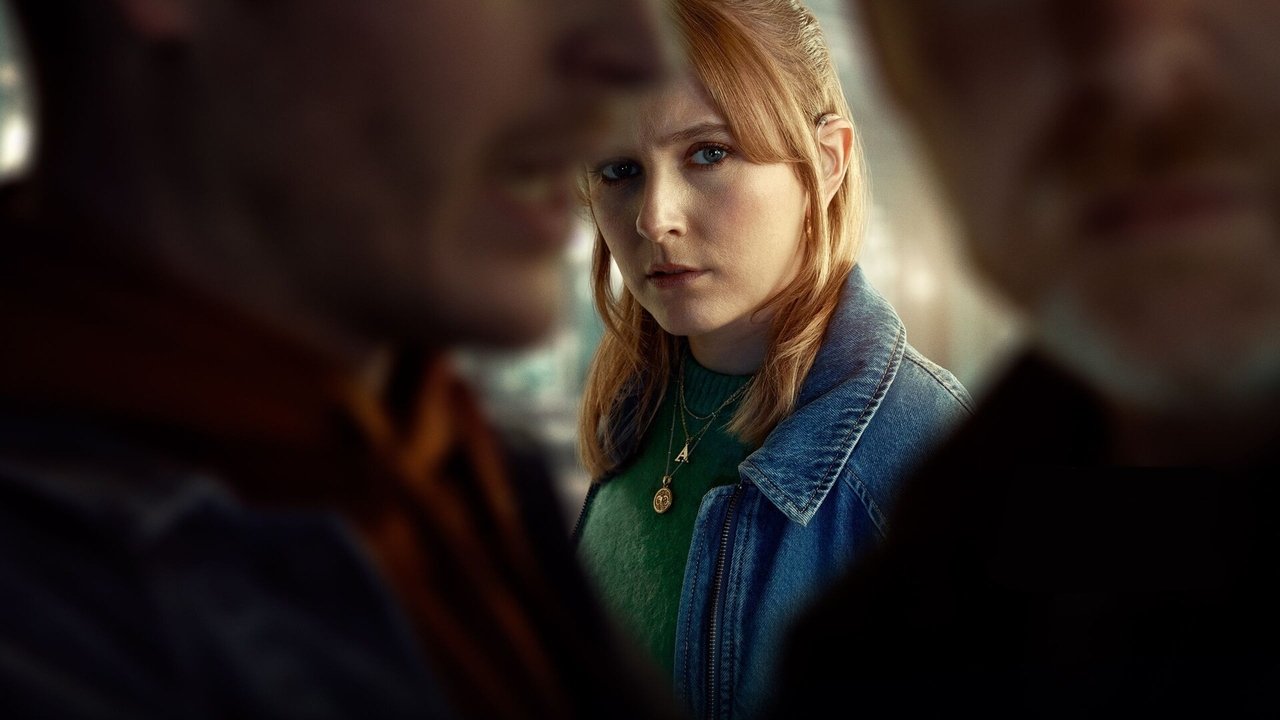
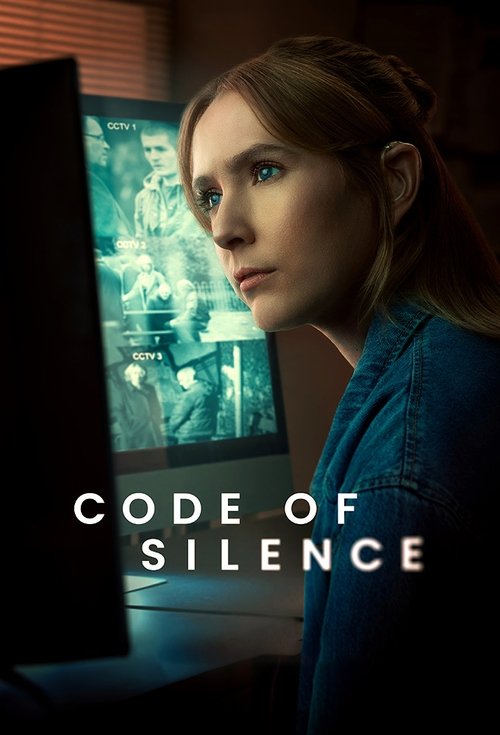
The Weight of the Unspoken WordWe have seen the amateur-consultant-helps-the-cops procedural a thousand times. The math genius, the novelist, the psychic, the quirky antique dealer. It is a genre built on the fantasy that specialized knowledge can magically untangle the messy, violent reality of crime. So when I sat down to watch Catherine Moulton’s six-part ITV drama *Code of Silence*, I expected the usual comforting formula, just swapped out with a new gimmick. Alison (Rose Ayling-Ellis) is a deaf catering worker barely scraping by in Canterbury, who gets roped into translating surveillance footage for the police because the official lip-readers are booked up.
It sounds like a setup for a cozy Sunday night mystery. Yet the show actually does something far more interesting with its premise, mostly because it understands that living in a world built for hearing people is already an act of constant, exhausting surveillance.

Moulton, who is herself partially deaf, anchors the entire visual and auditory language of the series in Alison’s particular sensory experience. The show does not just mute the audio and call it a day. Instead, it attempts to visualize the sheer cognitive load of lip-reading. There is a sequence early on that I am still thinking about. Alison is staring at a monitor, watching a local gang plan a heist in a crowded pub. The ambient noise drops to a heavy, underwater thrum. On screen, we see phonetic, broken text appear over the suspects' mouths. Snatches of consonants. *“o I bo ved a roun io.”* The letters hang there, floating and useless, until Alison’s brain fills in the context, and the text suddenly snaps into the real sentence: *“No, I moved around a lot.”*
As *The Guardian*’s Lucy Mangan rightly pointed out, it is a highly stylized way of showing the "effort and leaps involved" in the act. You realize, very quickly, that lip-reading is not a superpower. It is complicated guesswork. It is exhausting.
And exhaustion is exactly what Ayling-Ellis plays so well. If you watch her body language when she is dealing with the hearing world—specifically the slightly patronizing DI James Marsh (Andrew Buchan)—she holds her shoulders tight. She leans in a fraction too far, her eyes scanning not just mouths but micro-expressions, throat muscles, the tightening of a jaw. It is a deeply physical performance of someone who cannot afford to let her focus slip for even a second. When she finally steps away from the monitors, you can visibly see her skeletal structure deflate. She just wants a break from translating the world.

Which is why her eventual slide into unauthorized undercover work—and into the orbit of Liam (Kieron Moore), the gang's newest hacker recruit—feels emotionally grounded, even when the plot starts stretching credulity. Moore is a former competitive boxer, and he brings that history into Liam's physicality. He moves with a coiled, defensive tension, someone who has bounced through the foster system and expects to be hit. Beside him, Alison finds a strange sort of peace. He does not make her feel like an accommodation. They are both outsiders operating on the margins of a system that would prefer they just disappear.
I am not entirely sure the romance survives the sheer weight of the plot, though. By the fourth episode, the narrative starts leaning heavily on soap-opera contrivances. Alison makes a series of staggeringly reckless decisions that, in any actual criminal enterprise, would get her killed by Tuesday. (Vicky Jessop over at the *Evening Standard* was not wrong when she affectionately dismissed the broader plot as "eminently silly stuff"). The police seem perfectly fine letting a civilian wander into the crosshairs of a major organized crime syndicate. Whether you can look past that depends entirely on your tolerance for the structural demands of network television.

I caught myself forgiving the silliness simply because the central character is so compelling. The show is not trying to deliver a documentary on deafness, nor is it lecturing its audience. It uses the mechanics of a thriller to explore how much of human connection is unspoken, and how easily we ignore the people right in front of us.
*Code of Silence* stumbles when it tries to be a gritty heist drama. Where it succeeds—where it actually hums with life—is in the quiet spaces between the words, watching a woman finally realize that she holds the key to a conversation the rest of the world is entirely locked out of.